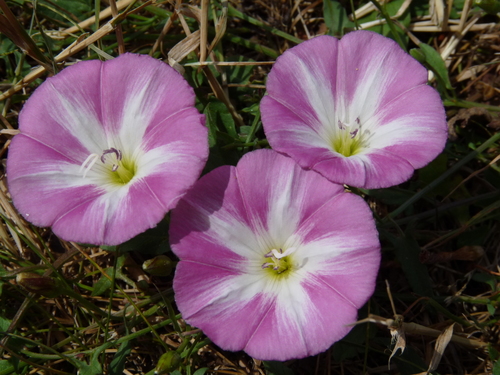


Olive Tree
Hippolais olivetorum
The Olive Tree is a strong tree that produces small, tasty olives. Olives can be eaten or pressed to make olive oil, which is used in cooking!
Habitat: Mediterranean regions
The Olive Tree is characterized by its gnarled, often twisted trunk, which is typically greyish-brown. It has small, narrow, silvery-green leaves with a lighter underside, creating a distinct shimmer. Its overall appearance is rugged and ancient, with a broad, rounded canopy.
Category
TreesRarity
Common
Danger
1/5 · Very low
Snaps
Be the first to snap!
Every single olive on the tree starts out green, changing colors as it ripens, not growing different colors!
Olive branches are an ancient symbol of peace and victory in many cultures around the world!
The world's oldest known olive tree is over 3,000 years old and still produces fruit to this day!
You can't eat olives straight from the tree; they are too bitter and must be specially cured first!
Olive Tree has deep root systems that help it access water far underground, allowing it to survive long droughts.
Olive Tree can sprout new shoots from its roots and base, even after severe damage, helping it live for millennia.
Olive Tree can grow in somewhat salty soils because its leaves have special glands to excrete excess salt.
Bactrocera oleae
Larvae feed on the developing olive fruit.
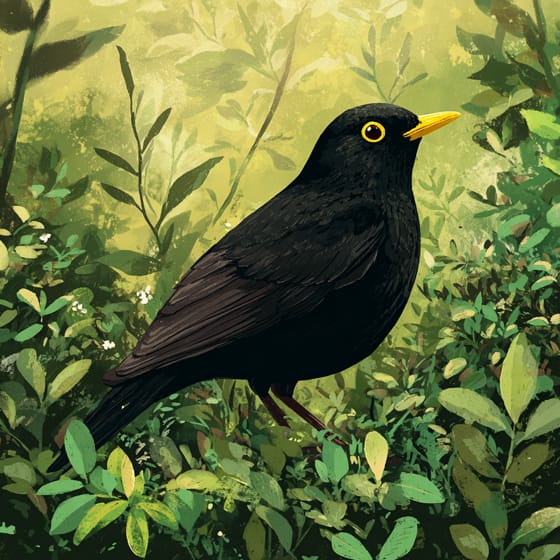
Turdus merula
Birds consume olives and disperse seeds far away.
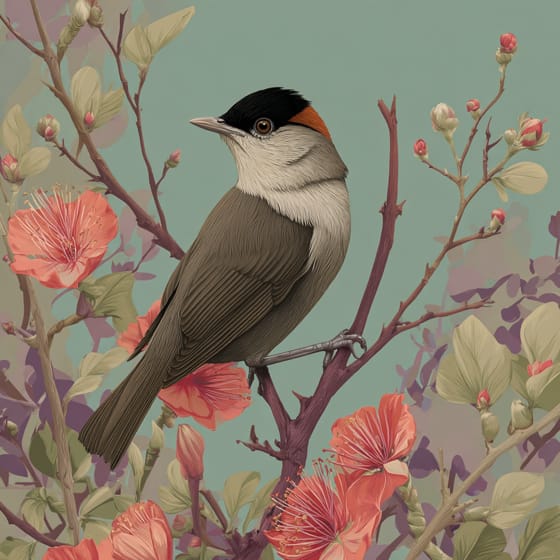
Sylvia atricapilla
Builds nests and finds refuge among its dense leaves.
Evergreen plants retain their foliage throughout the year, never shedding all their leaves at once.
Drought-tolerant plants can survive and flourish in conditions with limited water availability.
A fruit tree is a perennial tree that produces fruit, which is edible to humans or animals.
This human use trait identifies species cultivated as oil crops, harvested for their seeds or fruits from which vegetable oils are extracted for food, fuel, or industrial uses.

Edible plants are those parts of a plant that are considered safe for human consumption.

This trait characterizes organisms with an exceptionally long lifespan compared to others of their kind.

This habitat trait identifies species found in temperate rainforests, characterized by significant rainfall, mild temperatures, and dense evergreen or deciduous forests in coastal regions.
Danger
1/5 · Very low
Do not pick or eat anything you find. Some plants and mushrooms can be harmful.
The easiest way to identify Olive Tree is to use the Snappit nature identifier app.
5-20 m
5-15 m
Yes
50-200 cm
500-2000 years
Mediterranean regions
Drupe
Zoom in to split clusters and explore where this object has been snapped.
Recent snaps will appear here as new observations are added.
Take the discovery with you
Snap it with Snappit to identify it, learn what makes it special, and add the discovery to your collection.