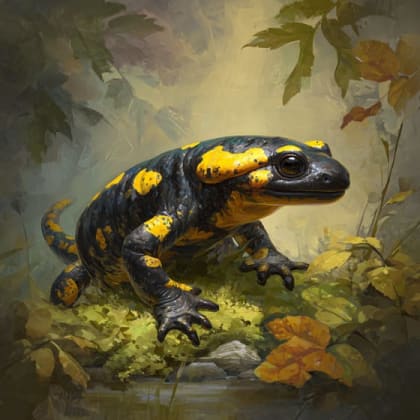
Fire Salamander
Salamandra salamandra
The Fire Salamander is a colorful amphibian with bright yellow and black spots. They love wet places and are often found in forests, where they hide under leaves and logs.
Habitat: Forests
The Fire Salamander has glossy black skin adorned with striking yellow or orange blotches, making it stand out brightly in its dark forest home. This vibrant pattern is a clear visual warning, making it very different from most other amphibians.
Category
AmphibiansRarity
Common
Danger
2/5 · Low
Snaps
3
Ancient myths claimed salamanders were born from flames and could survive fire!
Despite their name, they are actually very sensitive to heat and fire.
Some female fire salamanders can store a male's sperm for years before having young!
They hunt using a super-fast, sticky tongue that zips out to grab prey!
Fire Salamander can secrete a neurotoxin, samandarin, from glands on its skin to deter predators.
Fire Salamander has bright yellow or orange blotches that warn predators of its toxic skin, keeping it safe.
Fire Salamander can regrow lost limbs, tails, and even parts of its internal organs if injured.
Fire Salamander gives birth to fully formed larvae, bypassing the vulnerable egg stage in water.
This tiny hunter eats small invertebrates like worms and slugs, making it a garden helper!
Arion lusitanicus
A primary food source in its forest habitat.
Lumbricus terrestris
A crucial part of its diet, especially after rain.
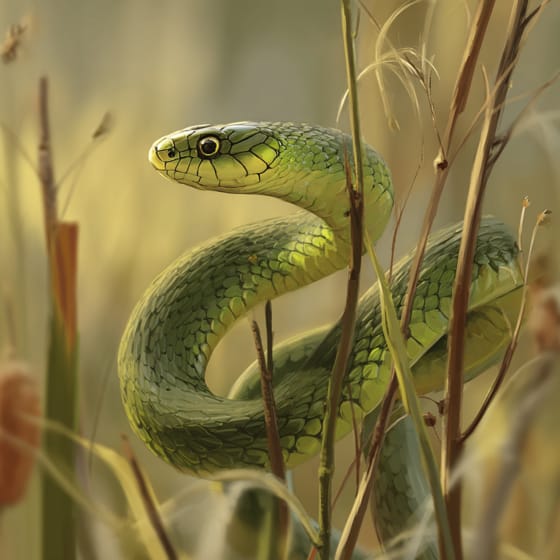
Natrix natrix
Though toxic, some snakes may prey on younger salamanders.

Fagus sylvatica
Leaf litter from this tree provides crucial shelter and hunting grounds.
Marked with spots or patches of a different color.
Solitary animals live alone for most of their lives, only interacting with others for mating or parental care.
Colorful describes organisms or objects displaying a wide range of bright and distinct colors.
This trait identifies organisms whose diet primarily consists of insects and other small invertebrates.

Forest habitats are terrestrial environments dominated by dense tree cover, supporting a high diversity of plant and animal life.

This trait characterizes organisms with an exceptionally long lifespan compared to others of their kind.

Toxic organisms contain substances that are poisonous and can cause adverse effects upon exposure.

Poisonous organisms produce toxins that can cause harm when ingested, inhaled, or absorbed through contact.

Nocturnal animals are primarily active during the nighttime hours, typically resting or sleeping during the day.

Endangered status indicates a species is at a very high risk of extinction in the wild in the near future.
Danger
2/5 · Low
Do not touch salamanders, as some can be sensitive to skin oils and chemicals.
15-25 cm
0.03-0.08 kg
10-20 years
0.5 km/h
This tiny hunter eats small invertebrates like worms and slugs, making it a garden helper!
Forests
Ambush
10-70
Zoom in to split clusters and explore where this object has been snapped.
.jpg)
Ústí nad Labem Region, CZ
You might spot Great Spotted Woodpecker and Red-Crested Pochard.
View guide →
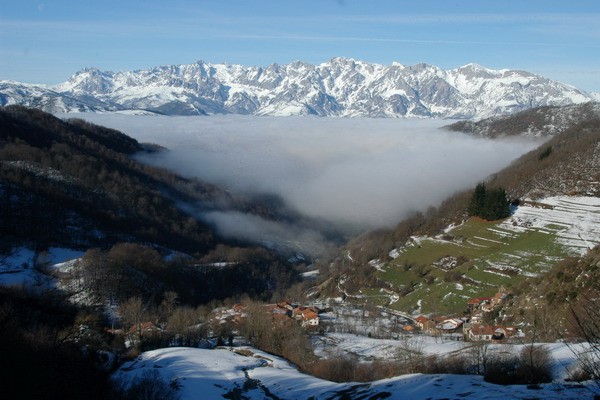
Spain, ES
You might spot Pyrenean Chamois, Alpine Toadflax, and Pyrenean Eryngo.
View guide →