





Common Midwife Toad
Alytes obstetricans
The Common Midwife Toad is a small, unique toad that carries its eggs on its back! They love to live near water and are great at hopping around.
Habitat: Wetlands
The Common Midwife Toad is a small, stout amphibian with rough, warty skin that ranges in color from greyish-brown to olive green, often marked with darker spots. It has large, prominent eyes with golden irises and striking vertical pupils, making it visually distinct from many other toads.
Category
AmphibiansRarity
Common
Danger
1/5 · Very low
Snaps
2
Its whistle-like call is so clear, it sounds like a tiny flute!
Midwife toad tadpoles can take over a year to grow up!
They spend most of their day hiding in burrows they dig themselves.
Unlike most frogs, they dislike big ponds and prefer damp soil.
Common Midwife Toad has the male carry eggs on his hind legs because this protects them from predators and drying out.
Common Midwife Toad has vertical pupils that help them see better in low light, making them excellent nocturnal hunters.
Common Midwife Toad can secrete a mild toxin from its skin because it deters predators from trying to eat them.
This toad mostly munches on small creepy-crawlies it finds while hopping around at night.
Age differences: Tadpoles are herbivorous, feeding on algae and plant matter, while adults are strictly insectivorous.
Formica rufa
A common meal for the toad.

Araneus diadematus
Captures these small arthropods.
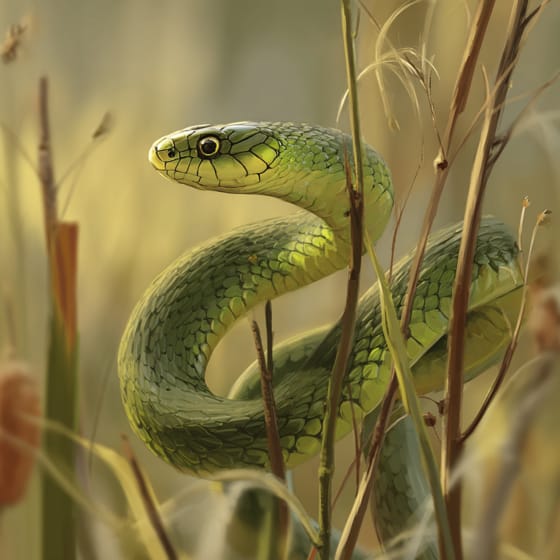
Natrix natrix
A primary predator in its habitat.
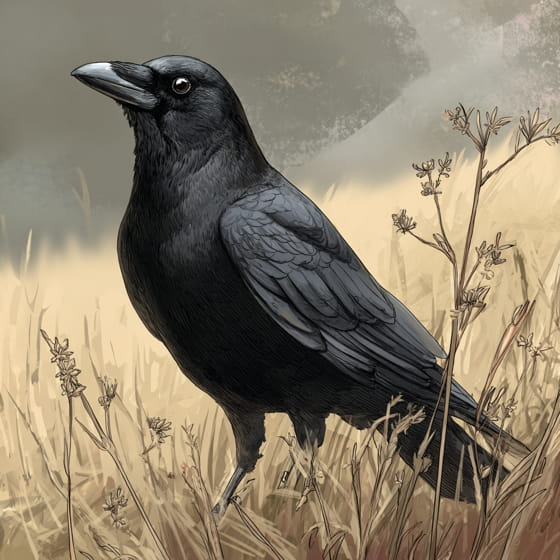
Corvus corone
Birds can snatch them from land.
Social animals live in organized groups, cooperating for survival benefits such as foraging, defense, and raising offspring.
Solitary animals live alone for most of their lives, only interacting with others for mating or parental care.
Camouflaged describes organisms that possess coloring or patterns that allow them to blend into their environment.
This trait identifies organisms whose diet primarily consists of insects and other small invertebrates.

This habitat trait identifies species found in wetlands, which are areas of land saturated with water, either permanently or seasonally, including marshes, swamps, and bogs.

Diurnal animals are primarily active during daylight hours, typically resting or sleeping at night.

Pertaining to species that are significantly smaller than typical or average for their kind.

Aquatic habitats encompass environments where organisms live predominantly in water, including oceans, rivers, lakes, and wetlands.

Describes organisms that transfer pollen, enabling the fertilization and reproduction of plants.

Endangered status indicates a species is at a very high risk of extinction in the wild in the near future.
Danger
1/5 · Very low
Always watch toads from a distance and don't try to touch them.
The easiest way to identify Common Midwife Toad is to use the Snappit nature identifier app.
3.5-5.5 cm
0.005-0.015 kg
5-9 years
0.5 km/h
This toad mostly munches on small creepy-crawlies it finds while hopping around at night.
Wetlands
Ambush
Zoom in to split clusters and explore where this object has been snapped.
Take the discovery with you
Snap it with Snappit to identify it, learn what makes it special, and add the discovery to your collection.












.JPG&width=800)


.jpg&width=800)

