Perch
Perca fluviatilis
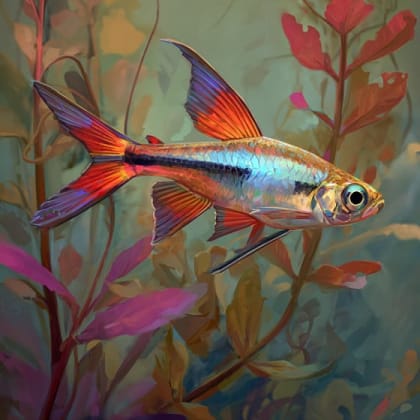
The European Perch is a common freshwater fish found in lakes and rivers across Europe. It has a greenish body with dark vertical stripes and bright orange-red fins. Perch are popular with anglers and love to hunt smaller fish and insects in the water.
Habitat: Freshwater Lakes & Rivers
The Perch has a distinctive greenish-gold body, often marked with 5-9 dark vertical stripes along its sides. Its two dorsal fins, the front one spiny, and bright red or orange lower fins make it stand out among freshwater fish.
Category
FishRarity
Common
Danger
1/5 · Very low
Snaps
Be the first to snap!
A Perch's feathers are waterproof, helping them stay dry in rain!
Perch babies hatch blind and featherless, needing constant care!
Some Perch can learn to mimic other bird songs or even human sounds!
Their tiny brains are super smart at finding hidden food.
Perch can raise their sharp, spiny dorsal fins as a defense, making them a tough bite for predators.
Perch have vertical stripes that help them blend perfectly into reedy lake beds, aiding in ambush hunting.
Perch swim in schools which helps them find food more efficiently and confuse bigger fish trying to hunt them.
Perch are hungry hunters, feasting on smaller fish, crustaceans, and aquatic insects!
Age differences: Young Perch primarily eat zooplankton and insect larvae; adults shift to mainly hunting smaller fish.
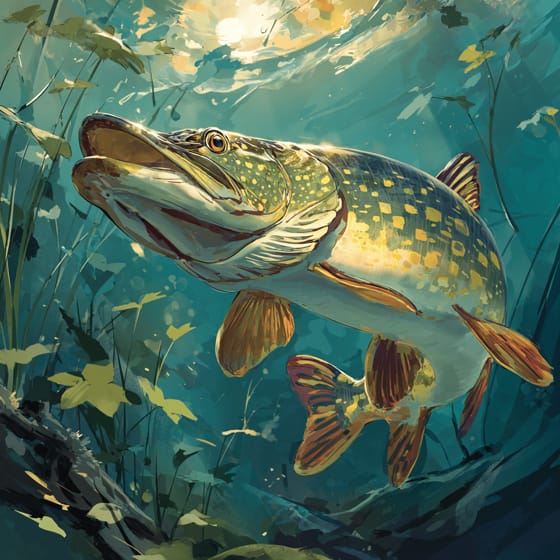
Esox lucius
Perch are a common food source for this large predator.
Rutilus rutilus
Adult Perch frequently prey on the young of these fish.
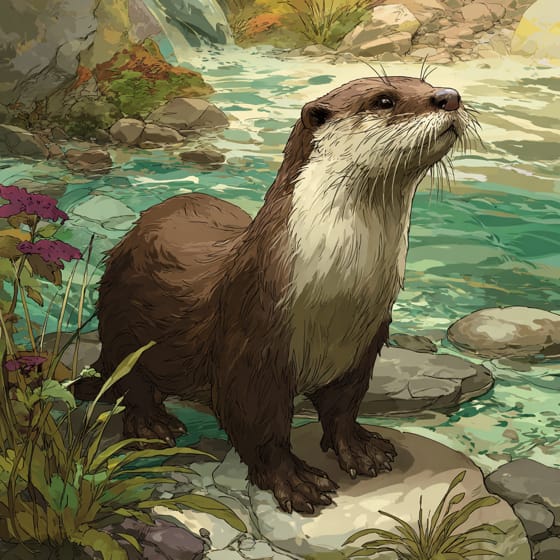
Lutra lutra
These aquatic mammals are skilled at catching Perch.
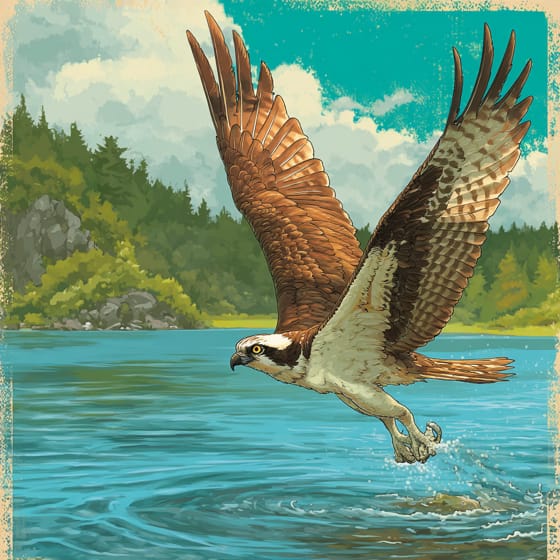
Pandion haliaetus
Ospreys dive from the sky to snatch Perch from water.
Wildlife encompasses all undomesticated animal and plant life existing in their natural habitats.
Feathered describes animals, primarily birds, possessing a covering of feathers.
Social animals live in organized groups, cooperating for survival benefits such as foraging, defense, and raising offspring.
This trait identifies organisms whose diet includes both plant and animal matter.

Singing animals produce complex vocalizations, often for purposes of attracting mates, defending territory, or communicating within their species.

Forest habitats are terrestrial environments dominated by dense tree cover, supporting a high diversity of plant and animal life.

Diurnal animals are primarily active during daylight hours, typically resting or sleeping at night.

Freshwater habitats include non-saline aquatic environments such as rivers, lakes, ponds, and wetlands, vital for numerous species.
No aliases listed yet.
Danger
1/5 · Very low
When near birds perching, observe quietly and avoid scaring them away.
20-60 cm
0.5-4.8 kg
5-22 years
Perch are hungry hunters, feasting on smaller fish, crustaceans, and aquatic insects!
20 km/h
Freshwater Lakes & Rivers
Ambush
30 m
Zoom in to split clusters and explore where this object has been snapped.
Recent snaps will appear here as new observations are added.