





Green Tree Python
Morelia viridis
The Green Tree Python is a bright green snake that loves to climb trees. They are very good at staying hidden in leaves!
Habitat: Rainforests
The Green Tree Python is a slender, bright emerald green snake, often with a yellow or white stripe down its back and a yellow belly. Its vivid coloration and unique coiled resting posture on branches make it visually distinct among arboreal snakes.
Category
ReptilesRarity
Common
Danger
4/5 · High
Snaps
Be the first to snap!
Baby Green Tree Pythons are born vibrant yellow, red, or even reddish-brown, not green!
Green Tree Pythons can live for over 20 years, making them long-lived inhabitants of the forest!
Their stunning green color provides perfect camouflage, making them nearly invisible in the rainforest canopy.
They can hang completely upside down from a branch, just using their tail as an anchor!
Green Tree Pythons use their strong prehensile tail to grip branches tightly, providing stability while they hunt or rest.
Green Tree Pythons have heat-sensing pits on their lips that allow them to 'see' warm-blooded prey in darkness.
Green Tree Pythons have a unique coiled resting posture that allows them to conserve energy and ambush prey effectively.
These stealthy snakes are carnivores, primarily feasting on birds and small mammals in the trees.
Age differences: Juveniles often eat small lizards and insects, while adults prefer birds and small mammals.
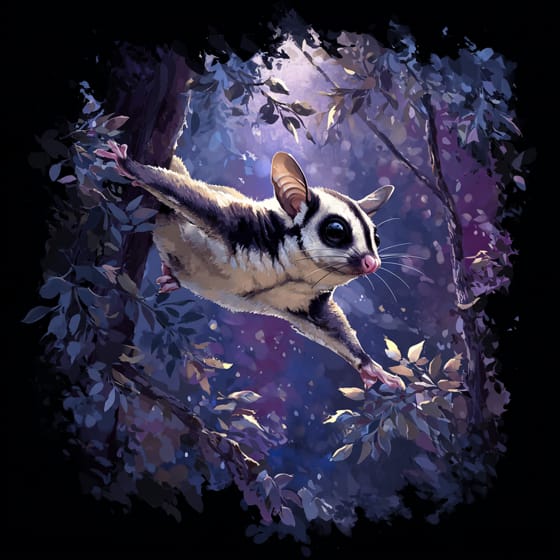
Petaurus breviceps
small nocturnal mammals are a common food source.
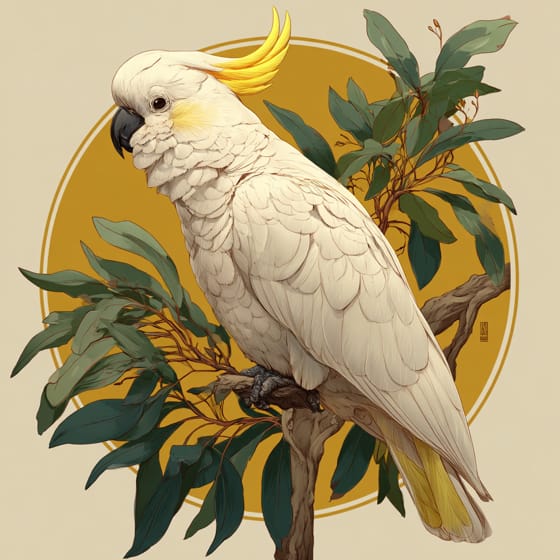
Cacatua galerita
resting birds are a preferred prey in the canopy.
Varanus salvator
juvenile pythons may be prey for larger monitors.
Wildlife encompasses all undomesticated animal and plant life existing in their natural habitats.
Arboreal animals live primarily in trees, utilizing them for shelter, food, and protection from predators.
Camouflaged describes organisms that possess coloring or patterns that allow them to blend into their environment.
This habitat trait refers to species found in tropical rainforests, characterized by high annual rainfall, high biodiversity, and dense tree cover.

This trait identifies organisms whose diet consists entirely or primarily of animal tissue.

Nocturnal animals are primarily active during the nighttime hours, typically resting or sleeping during the day.
Danger
4/5 · High
Look but don’t touch. Keep a safe distance and wash hands after exploring.
150-200 cm
1-2 kg
15-20 years
These stealthy snakes are carnivores, primarily feasting on birds and small mammals in the trees.
Rainforests
Ambush
5-20
45-65 days
Zoom in to split clusters and explore where this object has been snapped.
Recent snaps will appear here as new observations are added.

Delaware, US
You might spot Northern Raven, Bee, and Red Panda.
View guide →

California, US
You might spot Four-Toed Hedgehog, Military Macaw, and Green Tree Python.
View guide →

Silesian Voivodeship, PL
You might spot Chilabothrus Angulifer and Yellow-Crested Cockatoo.
View guide →


















