






Stock Dove
Columba oenas
The Stock Dove is a gentle bird that loves to live in forests and fields. It has a soft gray color and a sweet cooing sound that makes it special.
Habitat: Forests and fields
The Stock Dove is a medium-sized, plain grey pigeon with a pinkish-grey breast and an iridescent green-purple patch on its neck. It lacks the distinctive white neck patch and white wing bars found on other common doves, making it visually distinct.
Category
BirdsRarity
Common
Danger
1/5 · Very low
Snaps
2
Stock Doves often use old rabbit burrows for nesting, especially when tree holes are scarce!
They sometimes gather in large flocks, forming groups of hundreds during winter!
Unlike other common pigeons, this dove never has any white markings on its body!
Wow, its name 'Stock' refers to old tree stumps where it often builds its nests!
Stock Doves can nest in tree cavities or abandoned buildings, because their small size helps them find secure, hidden spots.
Stock Doves have excellent eyesight that helps them spot tiny seeds and grains on the ground, even in dense vegetation.
Stock Doves can fly at high speeds with powerful wingbeats, because their strong flight muscles help them evade predators quickly.
Stock Doves can adapt their diet to eat buds and leaves in winter, because their flexible digestive system helps them survive scarcity.
Mainly eats seeds, grains, and leaves from plants, occasionally adding small invertebrates.
Accipiter nisus
Common predator of small to medium-sized birds.
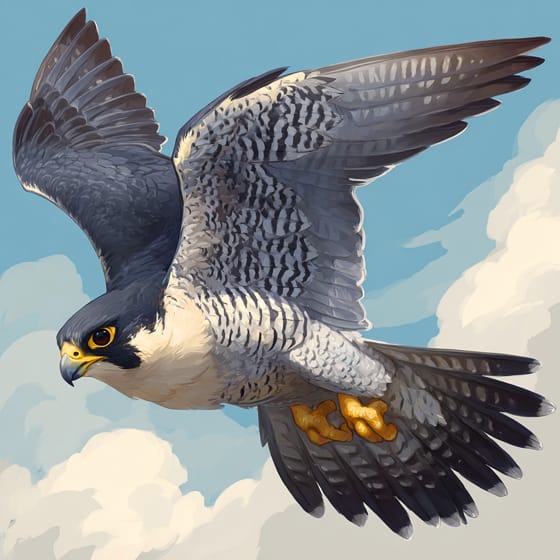
Falco peregrinus
Fast-flying falcon that hunts birds mid-flight.
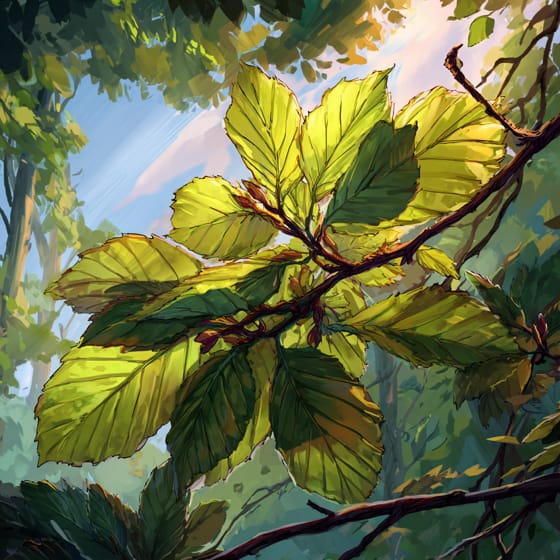
Fagus sylvatica
Feeds on mast, especially beech nuts during winter.
Quercus robur
Relies on acorns for food and tree holes for nesting.
Feathered describes animals, primarily birds, possessing a covering of feathers.
Social animals live in organized groups, cooperating for survival benefits such as foraging, defense, and raising offspring.
Singing animals produce complex vocalizations, often for purposes of attracting mates, defending territory, or communicating within their species.
Gliding animals move through the air by launching themselves and maintaining flight with specialized body structures, without flapping wings.

Grassland habitats are terrestrial biomes dominated by grasses and herbaceous plants, supporting a variety of grazing animals.

This trait characterizes organisms whose diet consists entirely or primarily of plant material.

Forest habitats are terrestrial environments dominated by dense tree cover, supporting a high diversity of plant and animal life.

Diurnal animals are primarily active during daylight hours, typically resting or sleeping at night.
Danger
1/5 · Very low
Always watch birds from a distance and do not try to touch them.
32-34 cm
60-66 cm
0.29-0.36 kg
5-13 years
65 km/h
Mainly eats seeds, grains, and leaves from plants, occasionally adding small invertebrates.
Forests and fields
Foraging
Zoom in to split clusters and explore where this object has been snapped.

England, UK
You might spot Blue Shark, Great White Shark, and Tiger Shark.
View guide →

Spain, ES
You might spot Giant Panda, Asian Elephant, and Tiger.
View guide →

England, UK
You might spot Black Swan, Alder Leaf Beetle, and Wood Anemone.
View guide →















