




Lemming
Dicrostonyx
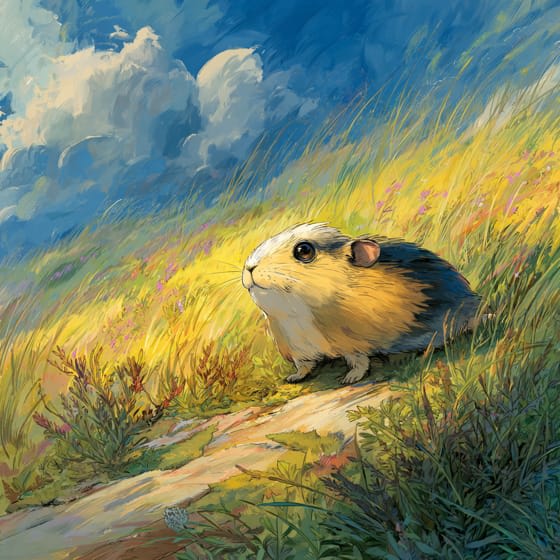
Lemmings are small rodents that live in the Arctic regions. They have thick fur to keep warm and are known for their mass migrations.
Habitat: Tundra
The Lemming is a small, stocky rodent with a very short tail and tiny ears often hidden in its fur. Its coat can be greyish-brown in summer, but some species turn entirely white in winter, allowing them to blend perfectly with the snow.
Category
MammalsRarity
Common
Danger
2/5 · Low
Snaps
Be the first to snap!
Hidden under the snow, lemmings stay active all winter long, creating a secret world of tunnels!
Lemming teeth never stop growing, so they must constantly gnaw on tough plants to wear them down!
Their populations boom and bust dramatically, changing the entire Arctic ecosystem!
They are surprisingly fierce for their size, growling and jumping at threats much larger than themselves!
Lemming has a coat that turns white in winter, helping it blend into snowy landscapes and hide from predators.
Lemming can dig intricate burrows and tunnels through snow and frozen ground, creating shelter and foraging paths.
Lemming has a very short gestation and large litters, helping its population quickly bounce back in harsh environments.
Some lemmings grow special winter claws on their front paws to help them dig through hard snow and ice.
Lemmings munch on plants like grasses, mosses, and lichens to survive the cold, treeless tundra.
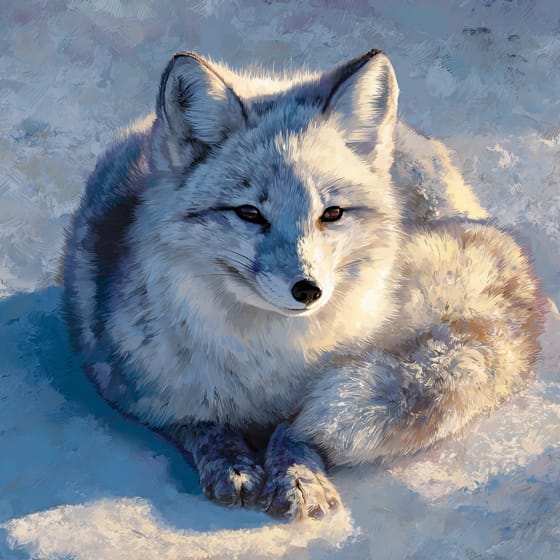
Vulpes lagopus
A primary predator in Arctic ecosystems.
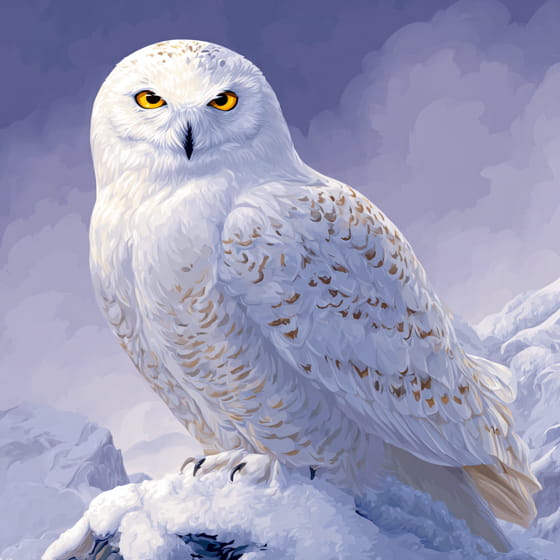
Bubo scandiacus
Their population cycles often follow lemming numbers.
Mustela erminea
Small, agile predator that follows lemmings into tunnels.
Salix arctica
An important food source for lemmings.
Wildlife encompasses all undomesticated animal and plant life existing in their natural habitats.
Furry describes animals possessing a dense covering of soft hair or fur.
Burrowing animals dig tunnels and chambers in the ground, using these subterranean structures for shelter, hunting, or breeding.
This trait characterizes organisms whose diet consists entirely or primarily of plant material.

This habitat trait refers to species inhabiting tundras, which are treeless biomes characterized by permafrost, cold temperatures, and low-growing vegetation.

Migratory animals undertake seasonal movements from one region to another, typically in response to changes in climate or food availability.
No aliases listed yet.
Danger
2/5 · Low
Lemmings are wild animals and should not be approached or touched.
10-18 cm
0.03-0.13 kg
1-2 years
20 km/h
Lemmings munch on plants like grasses, mosses, and lichens to survive the cold, treeless tundra.
Tundra
Foraging
4-9
Zoom in to split clusters and explore where this object has been snapped.
Recent snaps will appear here as new observations are added.