





Mountain Goat
Oreamnos americanus
Mountain goats are strong animals that live in steep, rocky places. They have thick fur to keep them warm and can climb very high mountains with ease!
Habitat: Mountain regions
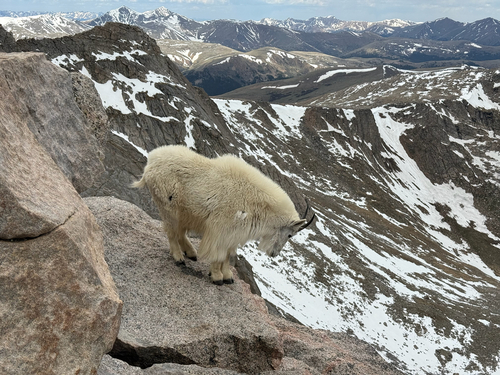
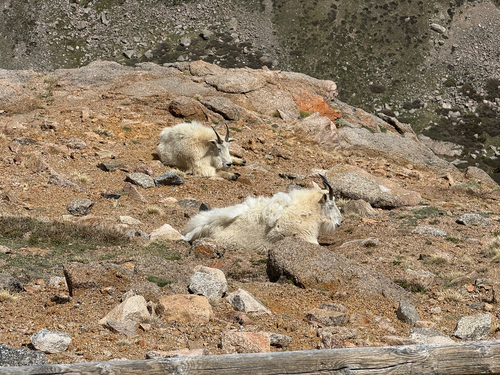
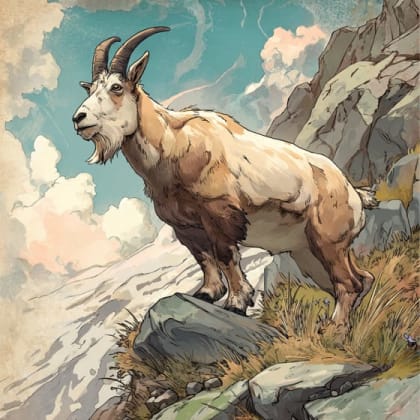
The Mountain Goat has a shaggy, thick white coat that provides excellent camouflage in snowy, rocky environments. It possesses short, sharp, jet-black horns that curve slightly backward and a distinct beard, making it look different from many other large mammals in its habitat.
Category
MammalsRarity
Common
Danger
2/5 · Low
Snaps
39
Baby mountain goats are called "kids" and can climb steep rocks within hours of birth!
Both male and female mountain goats grow horns, but males' horns are thicker at the base!
Despite their name, Mountain Goats are more closely related to antelopes and chamois!
They often visit mineral licks, licking rocks and soil to get important salts and nutrients!
Mountain Goat can scale incredibly steep cliffs and rocky slopes because of their specialized hooves that provide amazing grip.
Mountain Goat has a super thick, shaggy coat that helps them stay warm and protected even in freezing mountain blizzards.
Mountain Goat can spot predators or find tiny plants on distant ledges thanks to their excellent eyesight, essential for survival.
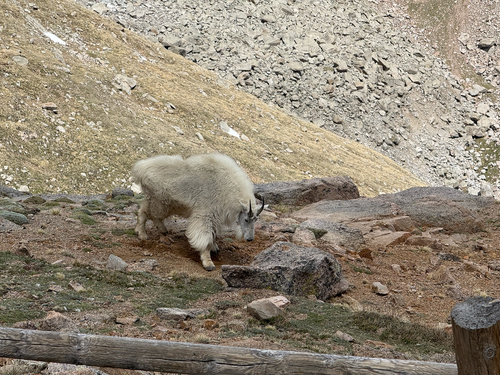
Mountain Goats are plant-eaters, munching on mountain grasses, leaves, and other tough alpine plants.
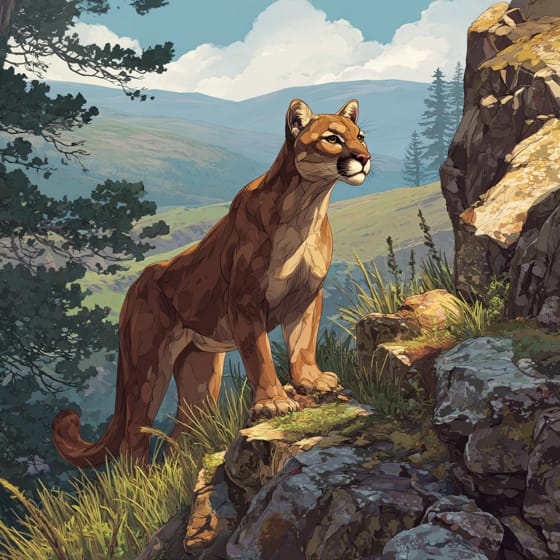
Puma concolor
A primary predator, especially of young or weak goats.
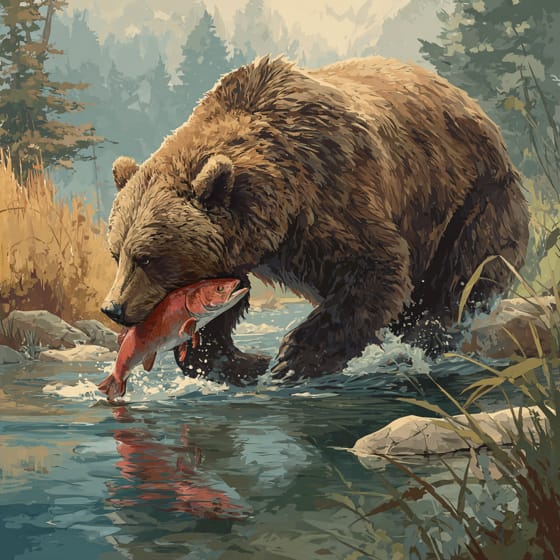
Ursus arctos
Will prey on mountain goats if given the opportunity.
Canis lupus
Hunts mountain goats, particularly in less steep terrain.

Aquila chrysaetos
Opportunistic predator, especially targeting young mountain goat kids.
Salix arctica
A common dwarf shrub mountain goats forage on in alpine areas.
Furry describes animals possessing a dense covering of soft hair or fur.
Social animals live in organized groups, cooperating for survival benefits such as foraging, defense, and raising offspring.
This trait characterizes organisms whose diet consists entirely or primarily of plant material.
This habitat trait identifies species found in mountainous regions, characterized by high elevation, steep slopes, and varying climate zones.

Diurnal animals are primarily active during daylight hours, typically resting or sleeping at night.

Describes a species whose presence and role have a disproportionately large effect on its environment.

This trait identifies organisms that exhibit exceptional swiftness in movement for hunting, escape, or travel.
Danger
2/5 · Low
Keep a safe distance and watch them from afar; they are wild animals.
The easiest way to identify Mountain Goat is to use the Snappit nature identifier app.
120-170 cm
45-140 kg
12-18 years
30 km/h
Mountain Goats are plant-eaters, munching on mountain grasses, leaves, and other tough alpine plants.
Mountain regions
Grazing
Zoom in to split clusters and explore where this object has been snapped.
Jun 6, 2026
Summit Lake ParkPhoto attribution
(c) Jared Lincenberg, some rights reserved (CC BY)
License: CC BY 4.0 ↗
Image may be shown cropped inside the card frame.
Jun 6, 2026
Summit Lake ParkPhoto attribution
(c) Jared Lincenberg, some rights reserved (CC BY)
License: CC BY 4.0 ↗
Image may be shown cropped inside the card frame.
Jun 6, 2026
Summit Lake ParkPhoto attribution
(c) Jared Lincenberg, some rights reserved (CC BY)
License: CC BY 4.0 ↗
Image may be shown cropped inside the card frame.

Montana, US
You might spot Bighorn Sheep and Mountain Goat.
View guide →

Colorado, US
You might spot Rocky Mountain Marsh-Marigold and American Bistort.
View guide →

Wyoming, US
You might spot Elk, Killdeer, and Black-Billed Magpie.
View guide →
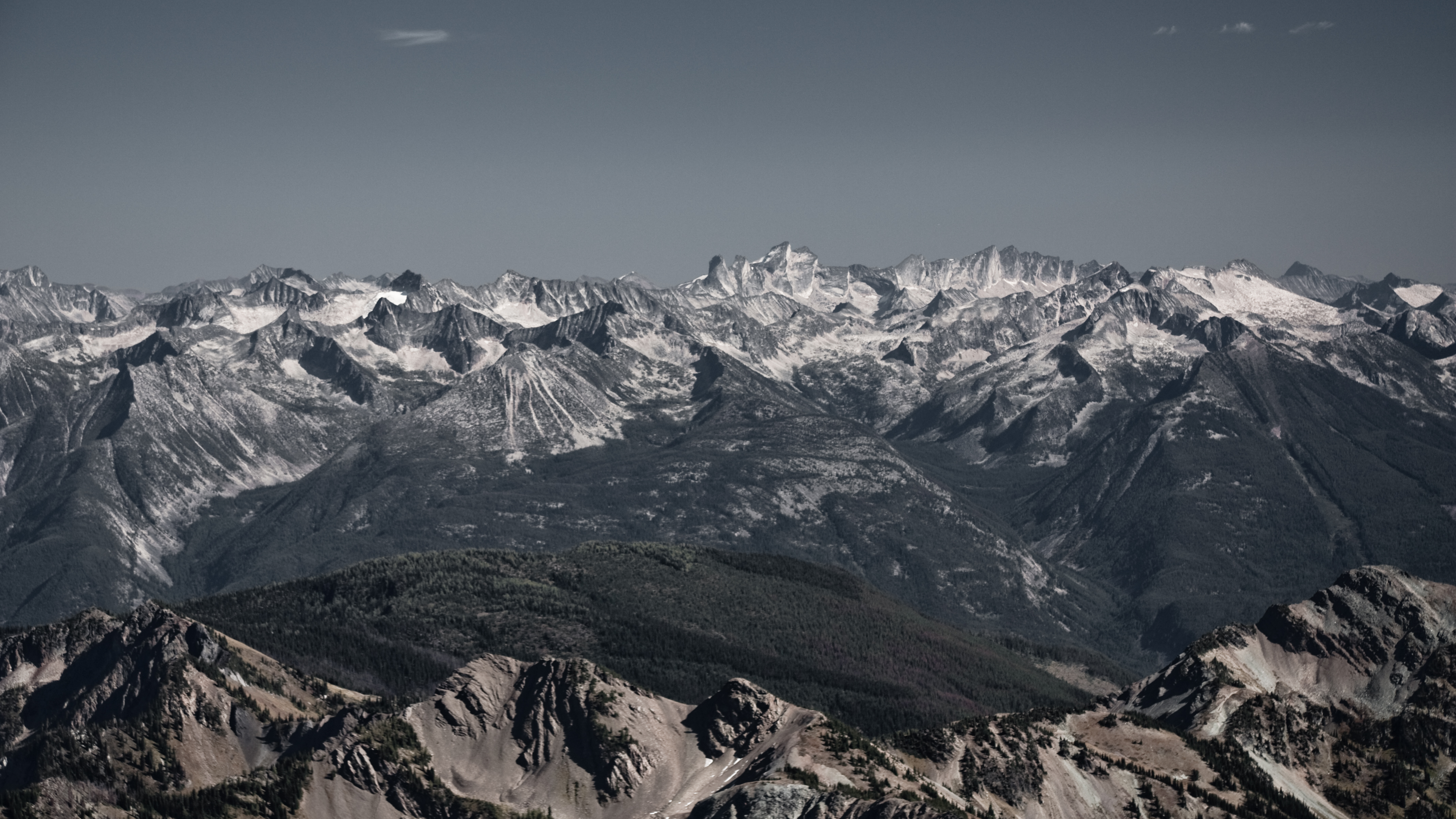
British Columbia, CA
You might spot Green Comma, Mourning Cloak, and Hoary Comma.
View guide →
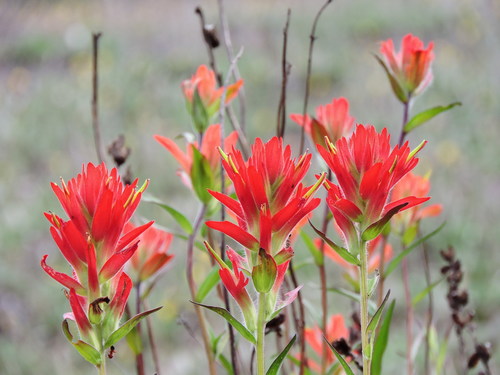
British Columbia, CA
You might spot Giant Red Paintbrush, Lupines, and Broadleaf Arnica.
View guide →
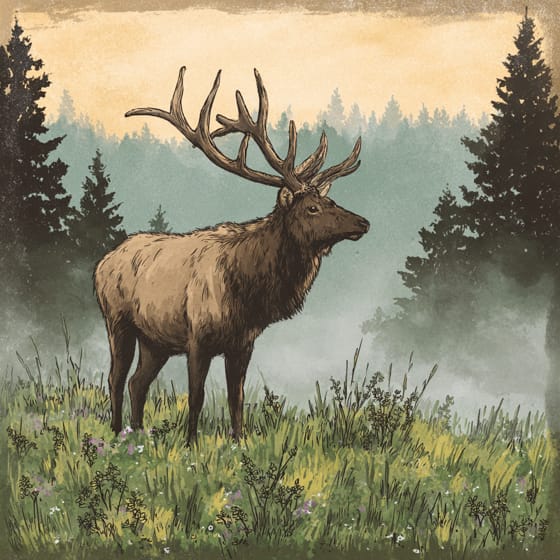
Washington, US
You might spot Elk, American Bison, and Mountain Goat.
View guide →
Take the discovery with you
Snap it with Snappit to identify it, learn what makes it special, and add the discovery to your collection.





.jpg&width=800)


.JPG&width=800)


.jpg&width=800)
