

Porpoise
Phocoena phocoena
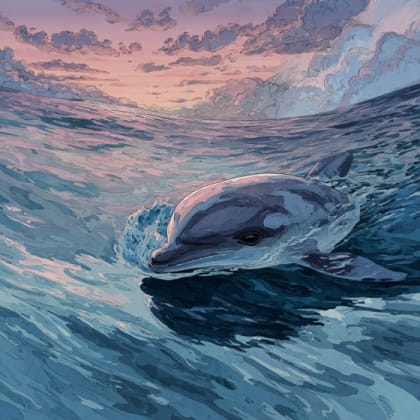
Porpoises are small marine mammals that look like dolphins. They are known for their playful nature and love to swim and jump in the ocean.
Habitat: Coastal areas
The Porpoise has a small, stocky body with a rounded head and no prominent beak. Its back is dark gray to black, fading to lighter gray sides and a white belly. It is visually distinct from dolphins by its triangular dorsal fin and spade-shaped teeth.
Category
MammalsRarity
Common
Danger
1/5 · Very low
Snaps
2
A porpoise's brain is as wrinkly as a human's!
Baby porpoises are called calves and can swim immediately after birth.
Porpoises don't have vocal cords; they make sounds with nasal passages.
They use powerful muscles to push water out of their blowhole for breathing.
Porpoise can 'see' using high-frequency clicks (echolocation), helping them find food and navigate in murky water.
Porpoise can hold its breath for several minutes, allowing it to hunt for fish far below the surface.
Porpoise has a thick layer of blubber that keeps it warm even in icy ocean waters.
These swift hunters primarily eat small fish and squid found in cooler ocean waters.
Age differences: Young calves drink milk, then transition to small fish as they learn to hunt.

Orcinus orca
Orcas are known predators of harbor porpoises.
Gadus morhua
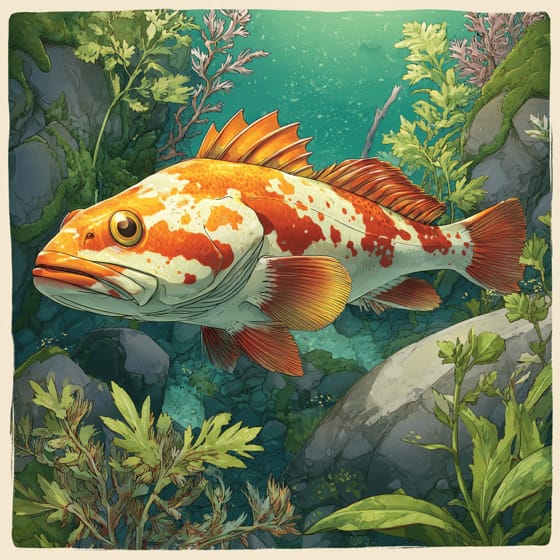
Porpoises actively hunt and eat this bottom-dwelling fish.
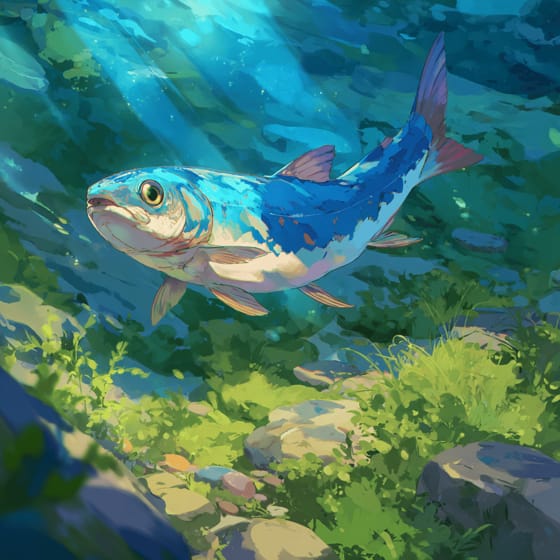
Clupea harengus
This schooling fish is a primary prey item for porpoises.
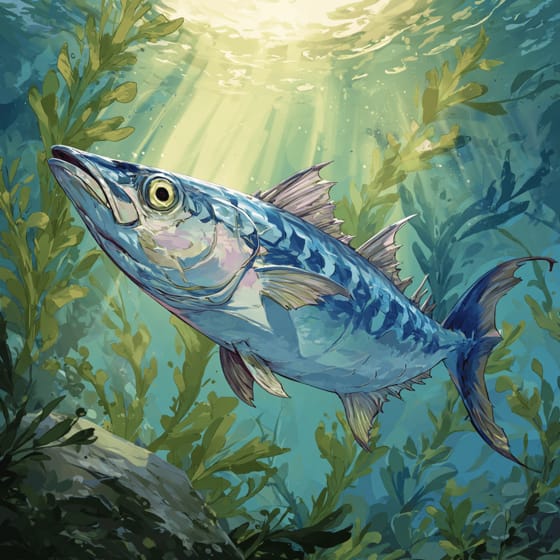
Scomber scombrus
A fast-swimming fish often targeted by porpoises.
Social animals live in organized groups, cooperating for survival benefits such as foraging, defense, and raising offspring.
Piscivorous organisms are animals that primarily subsist on a diet of fish.
Thermoregulating organisms maintain a stable internal body temperature despite fluctuations in the external environment.
This trait signifies organisms belonging to a very old evolutionary group with ancestors dating back millions of years.

Echolocation is a biological sonar used by animals to navigate, hunt, and communicate by emitting sound waves and interpreting the echoes.

This trait identifies organisms whose diet consists entirely or primarily of animal tissue.

This trait identifies organisms that exhibit exceptional swiftness in movement for hunting, escape, or travel.

Marine habitats encompass all saltwater environments of the Earth's oceans, supporting an immense diversity of aquatic life.
Danger
1/5 · Very low
If you see porpoises in the wild, admire them from a distance and never try to touch or feed them.
140-190 cm
40-70 kg
8-15 years
30 km/h
These swift hunters primarily eat small fish and squid found in cooler ocean waters.
Coastal areas
Pursuit
1
Zoom in to split clusters and explore where this object has been snapped.