





Gemsbok
Oryx gazella
The Gemsbok is a large antelope with long, straight horns and a beautiful tan and white coat. They are known for their amazing ability to survive in hot, dry places like the desert.
Habitat: Desert
The Gemsbok is a large, striking antelope with a pale fawn-grey coat, a distinctive black stripe running down its flank, and bold black and white facial markings. It has long, straight, spear-like horns that can reach over a meter in length and are ridged at the base.
Category
MammalsRarity
Common
Danger
3/5 · Moderate
Snaps
Be the first to snap!
Female Gemsbok can have horns that are longer than males', even though they are thinner!
Gemsbok can run very fast for an antelope, reaching speeds up to 60 kilometers per hour!
If threatened, a Gemsbok will often stand its ground and fight instead of running away!
Their horns are so strong and sharp, they have even been used by humans to make spears!
Gemsbok can go long periods without drinking water because they extract moisture from the plants they eat.
Gemsbok has long, sharp horns that help them bravely defend themselves, even against large predators.
Gemsbok can slightly raise their body temperature to avoid sweating, which helps them save precious water.
Gemsbok are tough eaters, grazing on grasses and browsing on shrubs and leaves.
Panthera leo
Gemsbok can be prey for adult lions.
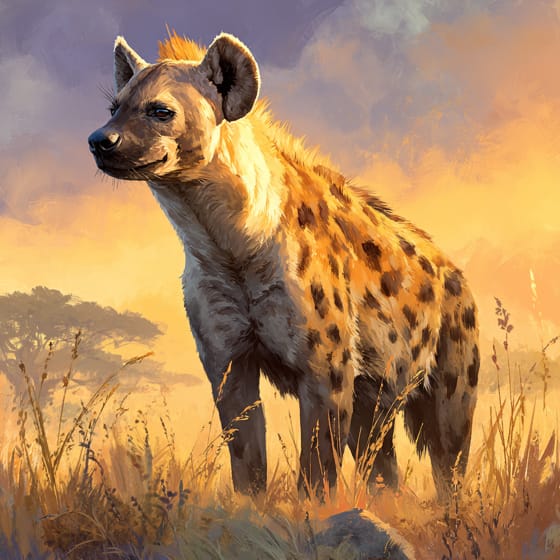
Crocuta crocuta
Hyena clans hunt Gemsbok, especially younger or weaker individuals.

Lycaon pictus
Wild dog packs can hunt and prey on Gemsbok.
Furry describes animals possessing a dense covering of soft hair or fur.
Social animals live in organized groups, cooperating for survival benefits such as foraging, defense, and raising offspring.
Characterized by having one or more hard, permanent, pointed projections on the head.
This trait characterizes organisms whose diet consists entirely or primarily of plant material.
Thermoregulating organisms maintain a stable internal body temperature despite fluctuations in the external environment.

Desert habitats are arid regions characterized by extremely low precipitation and often extreme temperatures, supporting specialized flora and fauna.

Diurnal animals are primarily active during daylight hours, typically resting or sleeping at night.

Describes a species whose presence and role have a disproportionately large effect on its environment.

This trait identifies organisms that exhibit exceptional swiftness in movement for hunting, escape, or travel.
No aliases listed yet.
Danger
3/5 · Moderate
Gemsboks are wild animals. It's best to watch them from a safe distance and not try to touch or feed them.
The easiest way to identify Gemsbok is to use the Snappit nature identifier app.
190-240 cm
180-240 kg
18-20 years
60 km/h
Gemsbok are tough eaters, grazing on grasses and browsing on shrubs and leaves.
Desert
Grazing
Zoom in to split clusters and explore where this object has been snapped.
Recent snaps will appear here as new observations are added.
Take the discovery with you
Snap it with Snappit to identify it, learn what makes it special, and add the discovery to your collection.





.jpg&width=800)


.JPG&width=800)


.jpg&width=800)
