





Gerbil
Meriones unguiculatus
Gerbils are small, social rodents that like to dig tunnels. They are quick movers and love to explore.
Habitat: Indoor tanks or cages with deep bedding for digging.
The Gerbil has a compact body with soft, sandy-brown fur, a creamy white belly, and large dark eyes. Its long, furry tail, often tipped with a tuft of darker hair, helps it balance, and its small round ears sit atop its head, making it look different from chunkier hamsters.
Category
MammalsRarity
Common
Danger
2/5 · Low
Snaps
Be the first to snap!
Baby gerbils are born completely blind, deaf, and hairless, relying on their mom.
Gerbils can leap over 30 centimeters (a foot!) high to escape danger!
In the wild, groups of gerbils create huge underground tunnel systems, like cities!
Their super sense of smell helps them find buried food and recognize their family.
Gerbil can dig extensive burrow systems with its strong claws to create safe homes, store food, and escape extreme temperatures.
Gerbil has specialized kidneys that help it conserve water by producing very concentrated urine, allowing it to survive in dry environments.
Gerbil can thump its hind feet and tail on the ground to warn others of danger or mark its territory.
Gerbil can collect and store seeds and other food in its burrows, ensuring it has enough to eat when food is scarce.
Gerbils munch on plants and seeds, but will sometimes snack on insects too!
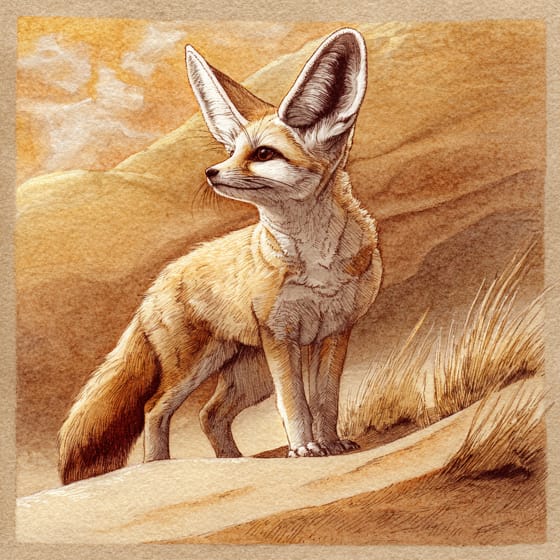
Vulpes zerda
A desert fox that hunts small rodents and other desert animals.
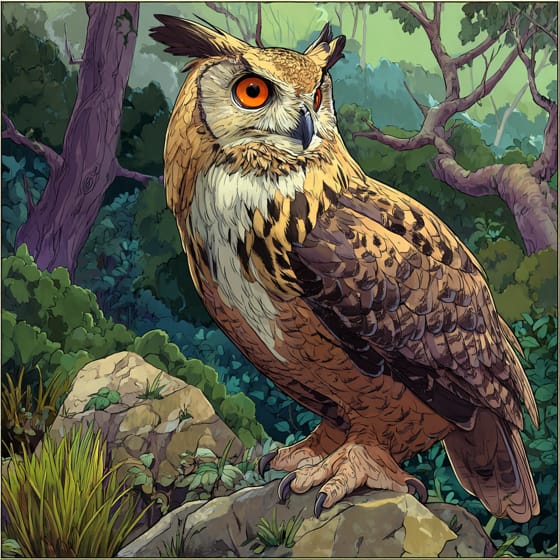
Bubo bubo
A large owl that preys on various small mammals, including gerbils.

Cerastes cerastes
A venomous snake that ambushes rodents in sandy desert environments.
Wildlife encompasses all undomesticated animal and plant life existing in their natural habitats.
Furry describes animals possessing a dense covering of soft hair or fur.
Social animals live in organized groups, cooperating for survival benefits such as foraging, defense, and raising offspring.
Burrowing animals dig tunnels and chambers in the ground, using these subterranean structures for shelter, hunting, or breeding.

This trait characterizes organisms whose diet consists entirely or primarily of plant material.

Domesticated refers to species that have been selectively bred and tamed by humans for specific purposes.

This habitat trait indicates species that can coexist with humans in urban and suburban environments, utilizing man-made structures and green spaces.

Nocturnal animals are primarily active during the nighttime hours, typically resting or sleeping during the day.
No aliases listed yet.
Danger
2/5 · Low
Be gentle — sudden movements can scare them.
The easiest way to identify Gerbil is to use the Snappit nature identifier app.
10-14 cm
0.05-0.13 kg
2-5 years
20 km/h
Gerbils munch on plants and seeds, but will sometimes snack on insects too!
Indoor tanks or cages with deep bedding for digging.
Foraging
Zoom in to split clusters and explore where this object has been snapped.
Recent snaps will appear here as new observations are added.
Take the discovery with you
Snap it with Snappit to identify it, learn what makes it special, and add the discovery to your collection.





.jpg&width=800)



.JPG&width=800)

.jpg&width=800)
