Iberian Ribbed Newt
Pleurodeles waltl
The Iberian Ribbed Newt is a small, colorful creature that lives in water. It has special ribs that stick out to help protect it!
Habitat: Wetlands and ponds
The Iberian Ribbed Newt has a distinctive flattened body, olive-green to dark brown skin, and prominently visible bony ribs that can poke through its sides when threatened. Its belly is lighter, often yellowish or orange, and can have dark spots.
Category
AmphibiansRarity
Common
Danger
2/5 · Low
Snaps
Be the first to snap!
Baby newts breathe with feathery gills, like tiny fish!
Male newts perform an intricate underwater courtship dance.
These newts are popular pets and studied for their healing!
They can survive for months without food, slowing down their body!
Iberian Ribbed Newts can push their sharp ribs through their skin because of specialized bones that help them deter predators.
The Iberian Ribbed Newt has glands in its skin that produce a mild toxin that helps protect them from being eaten.
Iberian Ribbed Newts can regrow limbs, brain parts, and spinal cord, helping them recover from severe injuries.
These hungry newts munch on insects, small crustaceans, and other aquatic critters.
Age differences: Larvae eat smaller invertebrates; adults eat larger prey, including other amphibian larvae.
Natrix maura
Adult newts can be prey for this aquatic snake.
Ardea cinerea
Herons will hunt newts and other aquatic life in shallow waters.
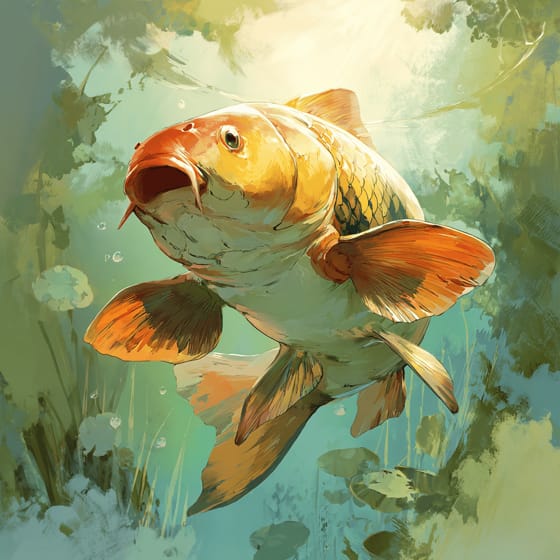
Cyprinus carpio
Larger fish may predate on newt larvae and eggs.
Daphnia pulex
Newt larvae and juveniles feed on these tiny crustaceans.
Wildlife encompasses all undomesticated animal and plant life existing in their natural habitats.
This trait identifies organisms whose diet primarily consists of insects and other small invertebrates.
This trait signifies organisms belonging to a very old evolutionary group with ancestors dating back millions of years.
This habitat trait identifies species found in wetlands, which are areas of land saturated with water, either permanently or seasonally, including marshes, swamps, and bogs.

Freshwater habitats include non-saline aquatic environments such as rivers, lakes, ponds, and wetlands, vital for numerous species.
Regenerative organisms possess the ability to regrow lost or damaged body parts, tissues, or organs.

Nocturnal animals are primarily active during the nighttime hours, typically resting or sleeping during the day.
Danger
2/5 · Low
Look but don’t touch. Keep a safe distance and wash hands after exploring.
15-30 cm
0.05-0.2 kg
10-20 years
These hungry newts munch on insects, small crustaceans, and other aquatic critters.
Wetlands and ponds
Ambush
100-1300
30-180 days
Zoom in to split clusters and explore where this object has been snapped.
Recent snaps will appear here as new observations are added.