





White's Tree Frog
Litoria caerulea
White's Tree Frog is a friendly-looking green frog that enjoys climbing trees. They have big, bright eyes and a fun, bumpy skin!
Habitat: Rainforests and suburban areas
The White's Tree Frog is a large, sturdy frog, typically bright green to turquoise, often with a creamy white belly. It sometimes features small white spots along its sides and has distinctive, prominent eyes with horizontal pupils. Its slightly baggy skin above the eardrum gives it a unique 'sleepy' appearance.
Category
AmphibiansRarity
Common
Danger
2/5 · Low
Snaps
Be the first to snap!
Their scientific name, caerulea, means 'blue' despite their green color!
These frogs sometimes eat their own shed skin to recycle nutrients!
They inflate their bodies to look bigger and scare off predators!
White's tree frogs are sometimes called 'dumpies' due to their plump appearance!
White's Tree Frog can store water in its bladder and under its skin, helping it survive long dry periods by staying hydrated.
White's Tree Frog has special sticky pads on its toes, allowing it to easily grip smooth surfaces like leaves and glass.
White's Tree Frog's skin produces special chemicals with antibiotic properties, helping to protect it from germs and predators.
These tree frogs are skilled hunters, mostly eating insects and other small invertebrates they catch at night.
Age differences: Tadpoles are herbivorous, feeding on algae and decaying plant matter before metamorphosis.
Morelia spilota
A common predator in their Australian habitat.

Dacelo novaeguineae
Large birds prey on frogs in trees.
Limnodynastes dumerilii
Larger predatory frogs may eat smaller species.
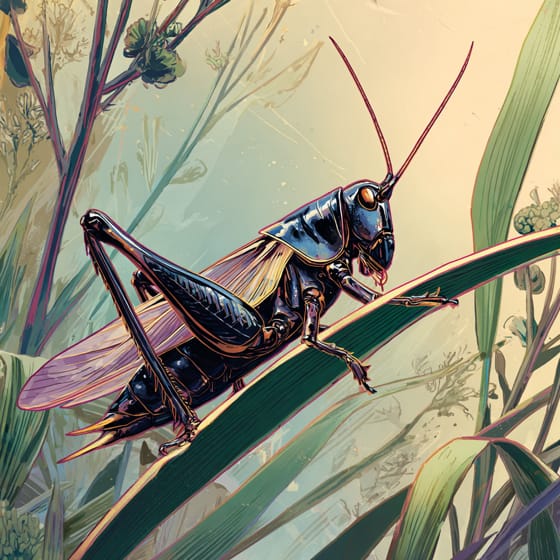
Gryllus assimilis
A common insect prey for the frogs.
Characterized by having toes connected by a membrane, typically aiding in swimming.
Social animals live in organized groups, cooperating for survival benefits such as foraging, defense, and raising offspring.
Arboreal animals live primarily in trees, utilizing them for shelter, food, and protection from predators.
Colorful describes organisms or objects displaying a wide range of bright and distinct colors.

This trait identifies organisms whose diet primarily consists of insects and other small invertebrates.

This trait characterizes organisms with an exceptionally long lifespan compared to others of their kind.

This habitat trait refers to species found in tropical rainforests, characterized by high annual rainfall, high biodiversity, and dense tree cover.

Freshwater habitats include non-saline aquatic environments such as rivers, lakes, ponds, and wetlands, vital for numerous species.

Nocturnal animals are primarily active during the nighttime hours, typically resting or sleeping during the day.
Danger
2/5 · Low
Look but don’t touch. Keep a safe distance and wash hands after exploring.
The easiest way to identify White's Tree Frog is to use the Snappit nature identifier app.
7-12 cm
0.03-0.1 kg
5-16 years
2 km/h
These tree frogs are skilled hunters, mostly eating insects and other small invertebrates they catch at night.
Rainforests and suburban areas
Ambush
Zoom in to split clusters and explore where this object has been snapped.
Recent snaps will appear here as new observations are added.
Take the discovery with you
Snap it with Snappit to identify it, learn what makes it special, and add the discovery to your collection.








.JPG&width=800)


.jpg&width=800)
