



Wild Boar
Sus scrofa
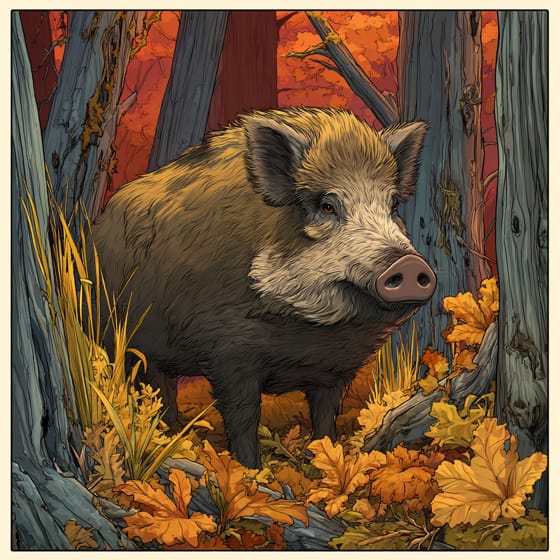
Wild boars are strong animals with thick fur and big tusks. They love to dig in the ground for food like roots and berries. You might see them in forests or grassy areas!
Habitat: Forests
The Wild Boar has a stocky body with bristly, dark brown to grey fur and a long, powerful snout. Males sport prominent, upward-curving tusks, while young piglets are distinctly striped brown and cream.
Category
MammalsRarity
Common
Danger
3/5 · Moderate
Snaps
28
Baby wild boars lose their stripes after about six months as they grow up.
They love mud baths! Mud cools them down and removes parasites.
Wild boar tusks can grow up to 30 cm long, like a ruler!
Wild boars are excellent swimmers and can cross wide rivers easily!
Wild Boar has an incredible sense of smell because of their powerful nose, helping them find food even buried deep.
Wild Boar has sharp, continuously growing tusks that help them dig for food and defend against predators.
Wild Boar has very tough, bristly skin that helps them move through dense, thorny bushes without getting hurt.
Wild Boars are resourceful omnivores, eating almost anything from plants to insects and small animals.
Canis lupus
Main predator in many forest ecosystems.
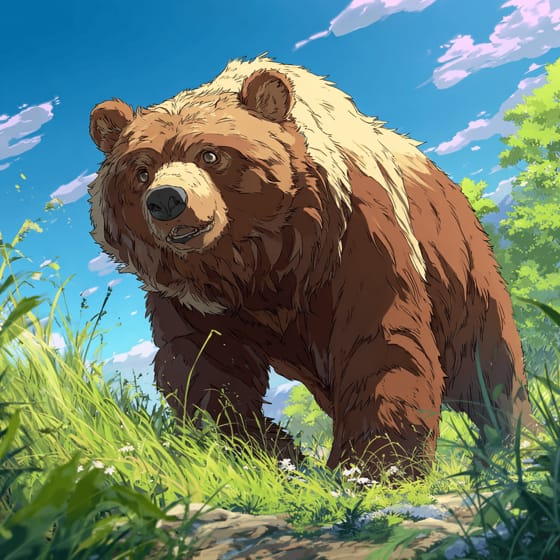
Ursus arctos
One of the few animals strong enough to prey on adults.
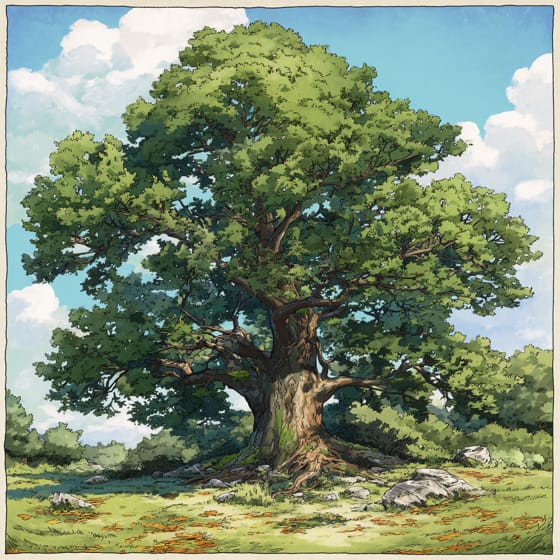
Quercus robur
Feeds heavily on their nutritious acorns in autumn.
Tuber melanosporum
Hunts for these prized fungi buried underground.
Furry describes animals possessing a dense covering of soft hair or fur.
Social animals live in organized groups, cooperating for survival benefits such as foraging, defense, and raising offspring.
This trait identifies organisms whose diet includes both plant and animal matter.
Scavengers consume dead organic matter, helping to decompose carcasses and other waste in the ecosystem.

Characterized by having long, pointed, projecting teeth, usually in pairs.

Forest habitats are terrestrial environments dominated by dense tree cover, supporting a high diversity of plant and animal life.

Describes a species whose presence and role have a disproportionately large effect on its environment.

This trait identifies organisms that exhibit exceptional swiftness in movement for hunting, escape, or travel.
Danger
3/5 · Moderate
If you see a wild boar, keep your distance and do not approach it.
90-180 cm
50-190 kg
5-10 years
40 km/h
Wild Boars are resourceful omnivores, eating almost anything from plants to insects and small animals.
Forests
Foraging
4-10
Zoom in to split clusters and explore where this object has been snapped.

Spain, ES
You might spot European Bison, Asian Elephant, and Tiger.
View guide →

Masovian Voivodeship, PL
You might spot Giraffes, Eurasian Otter, and Polar Bear.
View guide →
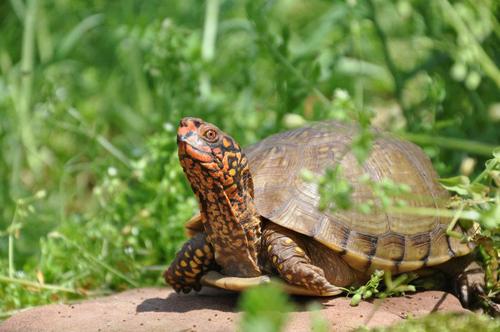
Oklahoma, US
You might spot Three-Toed Box Turtle and Blackjack Oak.
View guide →

Virginia, US
You might spot Common Watersnake, Multiflora Rose, and Carolina Ruellia.
View guide →

California, US
You might spot Duck, American Coot, and Canada Goose.
View guide →
.jpg)
Berlin, DE
You might spot White Stork, Polar Bear, and Eulemur Mongoz.
View guide →