




Tiger
.jpg)
Nestled in the green heart of East Berlin, Tierpark Berlin stands as Europe's largest landscape zoo, a sprawling sanctuary of naturalistic habitats spread across 160 hectares.
Nestled in the green heart of East Berlin, Tierpark Berlin stands as Europe's largest landscape zoo, a sprawling sanctuary of naturalistic habitats spread across 160 hectares. More than just an animal park, it is a place where wildlife thrives in environments designed to mimic their native homes, offering visitors an immersive journey across continents. With approximately 7,797 animals from 632 species, the Tierpark combines expansive open spaces with a rich collection of diverse creatures, making it a truly special destination for all ages.
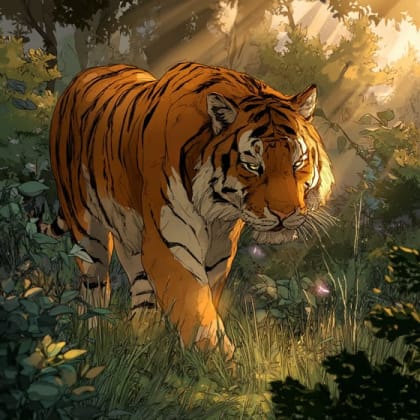
The Tierpark boasts several captivating exhibits, inviting exploration and discovery. Step into the lush Alfred Brehm House, a vibrant rainforest world home to majestic tigers, elusive crocodiles, agile flying foxes, and unique tree kangaroos. The African Savannah provides a breathtaking backdrop for giraffes, zebras, gazelles, and ostriches, with a special giraffe trail allowing eye-level encounters. Explore the Himalayan habitat to spot red pandas, snow leopards, and takins, or wander through the Vari Forest and Lemur Woods for close-up views of playful lemurs. Don't miss Dinoworld, a temporary exhibition featuring life-size, animated dinosaurs until October 2025.
A visit to Tierpark Berlin is an unforgettable experience, combining education, conservation, and recreation. It's a place where you can embark on a global wildlife adventure in a single day, surrounded by beautifully landscaped gardens and the historic Friedrichsfelde Palace. The park's commitment to species conservation, as part of the "Berlin World Wild" program, underscores its dedication to protecting endangered animals and their habitats. Whether observing a polar bear enjoying its enclosure or learning about the intricate lives of rainforest dwellers, Tierpark Berlin offers memorable moments and fosters a deeper connection with the natural world. Enhance your adventure: download the Snappit app to identify the local species you encounter.
Tierpark Berlin was established in 1955, born out of the division of Berlin after World War II. With the famous Berlin Zoological Garden located in West Berlin, East German authorities sought to create a comparable and equally prestigious zoo in the eastern sector of the city. The chosen location was the magnificent parkland surrounding Friedrichsfelde Palace, originally designed by the renowned landscape architect Peter Joseph Lenné in the 1820s. Under the stewardship of its founding director, Professor Heinrich Dathe, Tierpark Berlin rapidly developed into Europe's largest landscape animal park. Notable early additions included the Alfred Brehm House, which opened in 1963 and was considered the world's largest animal house at the time, featuring a unique walk-through tropical hall. Following German reunification in 1990, the Tierpark underwent significant modernization and established close cooperation with the Zoo Berlin, enhancing its breeding and conservation programs while preserving its distinct character as a spacious, landscape-oriented zoo.
Observe a wide array of animals in their naturalistic enclosures, enjoy daily animal feedings and talks (such as the polar bear talk), and let children play at the water playground or petting zoo. Consider riding the free electric train to navigate the extensive park.
As an outdoor venue, check the weather forecast and dress appropriately. The park hosts seasonal events like "Weihnachten im Tierpark" (Christmas at Tierpark), which typically requires separate tickets as it occurs outside regular opening hours.
Tierpark Berlin is largely wheelchair accessible, with wide, mostly paved paths and step-free access to many areas. Accessible restrooms are available, including in the Elephant House, Monkey House, and various restaurants. Free manual wheelchairs can be rented with prior reservation via email. Toddler bicycles and scooters (for children up to 15) are permitted, as are handcarts. Designated disabled parking spaces are available at the Schloss entrance.
Don't miss the Alfred Brehm House for its rainforest ecosystem, the African Savannah with its giraffe trail, the playful lemurs in the Vari Forest and Lemur Woods, and the rare species in the Himalayan habitat. The historic Friedrichsfelde Palace is also worth exploring. For a limited time until October 2025, experience the life-size dinosaurs in Dinoworld.
Each card links to a full Explore page with photos, traits, and fun facts.
Start with the big picture, then zoom in to explore individual wildlife observations around this place.
Buy Tickets Online
Save time and money by purchasing your admission tickets through the official website before your visit.
Wear Comfortable Shoes
With 160 hectares to explore, you'll be doing a lot of walking, so comfortable footwear is essential.
Utilize the Electric Train
Take advantage of the free electric train service within the park to cover longer distances and rest your feet.
Visit During Off-Peak Hours
Arrive early in the morning or later in the afternoon, especially on weekdays, for fewer crowds and more active animals.
Plan for Weather
As most of the park is outdoors, check the weather forecast and dress accordingly, bringing layers or rain gear if needed.
Consider Public Transport
Especially on weekends and holidays, parking spaces can fill up quickly, so using public transportation (U-Bahn or tram) is often more convenient.
Mar 3, 2026
Mar 3, 2026
Mar 1, 2026
Feb 26, 2026
Feb 26, 2026

Michigan, US
You might spot African Lion, Komodo Dragon, and Brown Bear.
View guide →
.jpg)
Municipal District of Cobh, IE
You might spot Ring-Tailed Lemur, Giraffes, and Cheetahs.
View guide →

Nouvelle-Aquitaine, FR
You might spot Greater Flamingo, Giraffes, and Red Panda.
View guide →

Texas, US
You might spot Giraffes, African Lion, and Eastern Black Rhinoceros.
View guide →
Take the discovery with you
Identify the wildlife you spot, learn as you go, and keep a collection of the adventure.