Sea Bass
Dicentrarchus labrax
Sea Bass is a popular fish that is loved by many for its delicious taste. They can be found in both salt and freshwater!
Habitat: Coastal waters
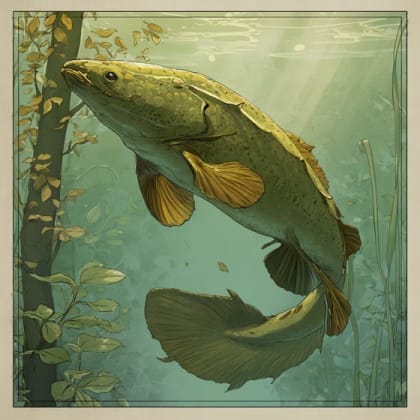
The Sea Bass has a sleek, torpedo-shaped body with a silvery-grey color, often darker on its back and lighter on its belly. Its two dorsal fins are distinct, and juveniles sometimes show dark spots that fade with age, making them easily identifiable.
Category
FishRarity
Common
Danger
2/5 · Low
Snaps
Be the first to snap!
Baby sea bass like to hide in calm, sheltered river mouths to grow up safe!
Did you know some sea bass can change their gender as they get older? Wow!
Sea bass are known for their sharp spiny fins that can deter predators!
They can live for over 20 years, making them long-lived ocean residents!
Sea Bass can see well in dim light because of their large eyes that helps them spot prey at dawn and dusk.
Sea Bass has a powerful tail fin that helps them launch into quick bursts of speed to ambush unsuspecting prey.
Sea Bass can live in both salty ocean water and slightly less salty estuary waters because of special adaptations.
Sea bass are hungry hunters that love to eat other fish and tasty ocean critters!
Age differences: Younger sea bass feast on tiny crustaceans and worms, while adults mostly hunt other fish.
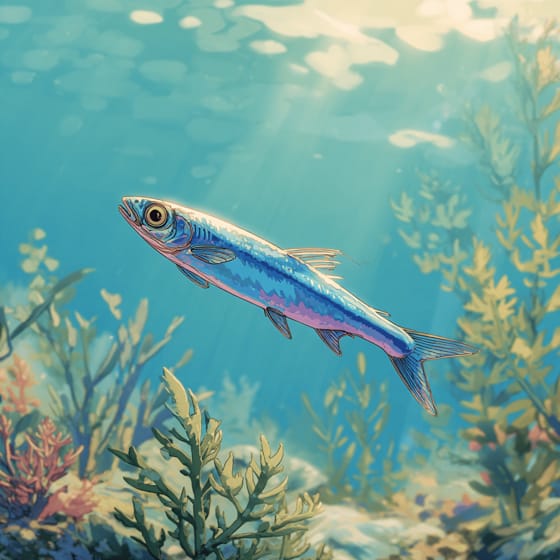
Engraulis encrasicolus
An important food source for adult sea bass.
Squalus acanthias
A common predator of sea bass in coastal waters.
Carcinus maenas
Young sea bass often feed on these crabs in estuaries.
Wildlife encompasses all undomesticated animal and plant life existing in their natural habitats.
Piscivorous organisms are animals that primarily subsist on a diet of fish.
Coastal habitats are dynamic environments located along the interface between land and sea, influenced by tides, waves, and saltwater.
Freshwater habitats include non-saline aquatic environments such as rivers, lakes, ponds, and wetlands, vital for numerous species.

Aquatic habitats encompass environments where organisms live predominantly in water, including oceans, rivers, lakes, and wetlands.

Migratory animals undertake seasonal movements from one region to another, typically in response to changes in climate or food availability.
Danger
2/5 · Low
Watch quietly from a distance and never try to feed or chase wild animals.
25-100 cm
0.5-12 kg
15-20 years
Sea bass are hungry hunters that love to eat other fish and tasty ocean critters!
25 km/h
Coastal waters
Ambush
100 m
Zoom in to split clusters and explore where this object has been snapped.
Recent snaps will appear here as new observations are added.