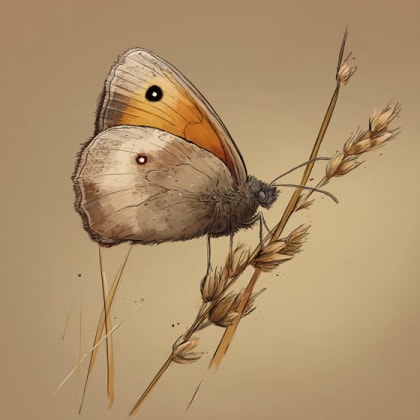
Western Honeybee
Prolepsis
Western Honeybees are important pollinators that help flowers grow. They are known for making sweet honey!
Habitat: Fields, gardens, and orchards
The Western Honeybee has a fuzzy, golden-yellow and brownish-black striped body with delicate, transparent wings. Its segmented abdomen and hairy thorax make it distinct from sleek wasps. It also features six legs and prominent antennae.
Category
InsectsRarity
Common
Danger
3/5 · Moderate
Snaps
Be the first to snap!
A single worker bee makes only about 1/12 teaspoon of honey in its lifetime!
Honeybees have five eyes: two large compound eyes and three simple ocelli!
Honeybees visit millions of flowers to gather enough nectar for a jar of honey.
They use tiny hairs on their legs to carry pollen back to the hive.
Western Honeybee can convert collected flower nectar into nutritious honey that helps feed the entire colony.
Western Honeybee has specialized 'pollen baskets' on its legs that help them efficiently carry pollen back to the hive.
Western Honeybee can perform a 'waggle dance' that helps them communicate the location of food sources to other bees.
Western Honeybee can produce beeswax to build intricate hexagonal combs that helps store honey, pollen, and larvae.
They fuel up on sweet nectar for energy and gather protein-rich pollen from flowers.
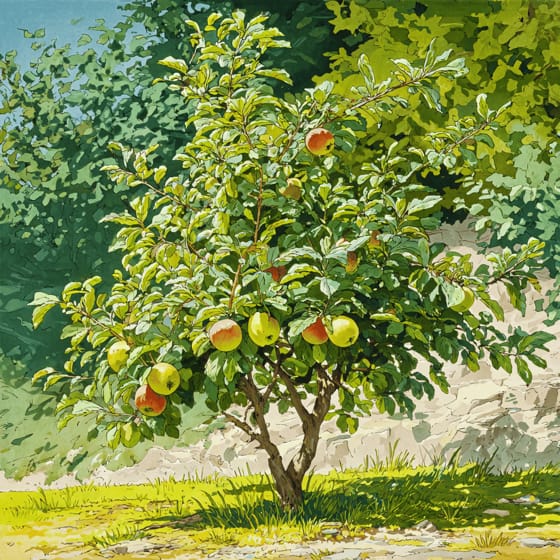
Malus domestica
Essential for apple fruit production.
Helianthus annuus
Visits sunflowers for abundant nectar and pollen.
Vespa crabro
European hornets sometimes prey on foraging bees.
Taraxacum officinale
Provides early spring food from dandelions.
Wildlife encompasses all undomesticated animal and plant life existing in their natural habitats.
Social animals live in organized groups, cooperating for survival benefits such as foraging, defense, and raising offspring.
This trait characterizes organisms whose diet consists entirely or primarily of plant material.
Diurnal animals are primarily active during daylight hours, typically resting or sleeping at night.

Describes a species whose presence and role have a disproportionately large effect on its environment.

Nocturnal animals are primarily active during the nighttime hours, typically resting or sleeping during the day.

Describes organisms that transfer pollen, enabling the fertilization and reproduction of plants.
Danger
3/5 · Moderate
Do not touch or pick up. Some insects sting or bite. Ask an adult for help.
12-15 mm
15-150 days
25 km/h
They fuel up on sweet nectar for energy and gather protein-rich pollen from flowers.
Fields, gardens, and orchards
Foraging
6
80000
Zoom in to split clusters and explore where this object has been snapped.
Recent snaps will appear here as new observations are added.
.jpg)
Maryland, US
You might spot White-Tailed Deer and Japanese Knotweed.
View guide →

Delaware, US
You might spot Northern Raven, Bee, and Red Panda.
View guide →

Massachusetts, US
You might spot Duck, American Robin, and Mute Swan.
View guide →
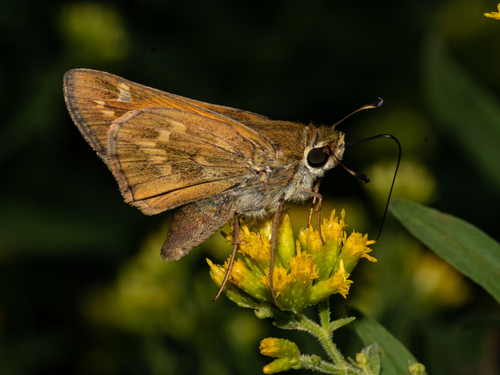
New Jersey, US
You might spot Huron Skipper, Great Blue Heron, and American Robin.
View guide →

Wisconsin, US
You might spot White-Tailed Deer, Common Eastern Bumble Bee, and Duck.
View guide →
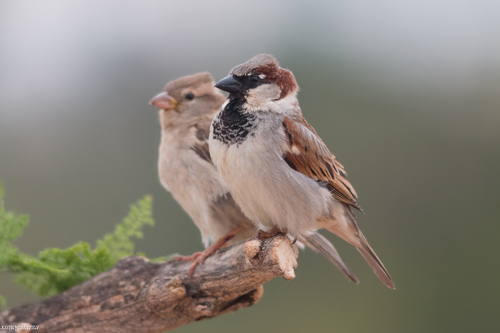
Massachusetts, US
You might spot House Sparrow, Garlic Mustard, and Duck.
View guide →