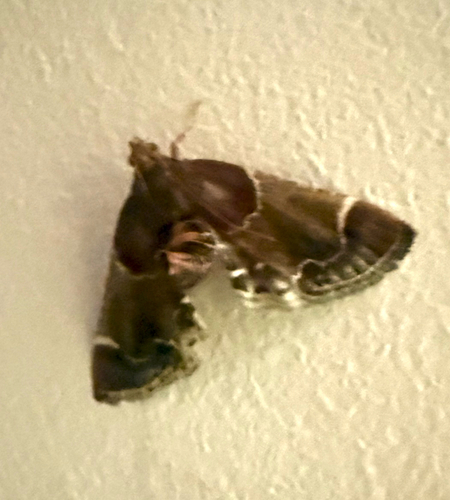
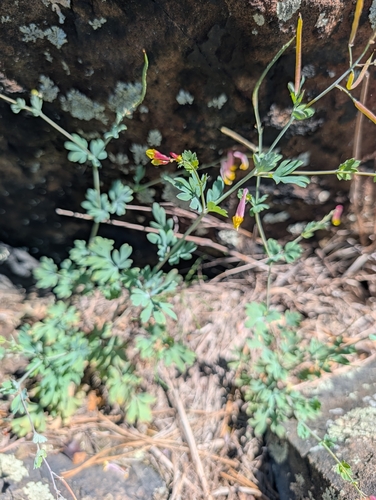
Bee

Mystic River Reservation, nestled within the bustling Greater Boston area, offers a refreshing escape into nature, a true urban oasis stretching along the historic Mystic River.
Mystic River Reservation, nestled within the bustling Greater Boston area, offers a refreshing escape into nature, a true urban oasis stretching along the historic Mystic River. This expansive state park, encompassing approximately 329 acres, presents a diverse tapestry of wetlands, marshes, forested areas, and scenic riverfronts. It serves as a vital green lung for the surrounding communities, providing a peaceful retreat where visitors can reconnect with the natural world without venturing far from the city. Its unique blend of tranquil natural beauty and accessible recreational opportunities makes it a cherished local gem.
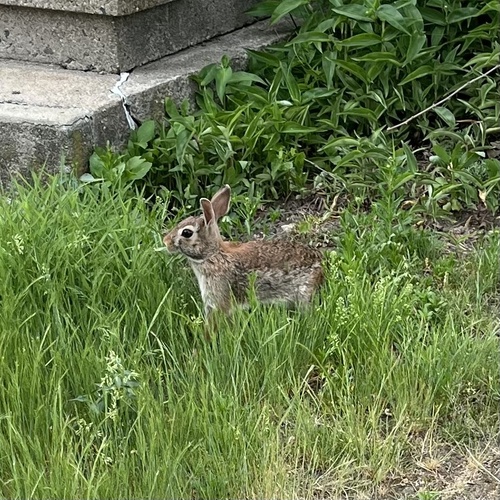
The reservation boasts a rich array of habitats that support a surprising diversity of wildlife, making it a haven for nature enthusiasts and birdwatchers. Meander along its well-maintained trails, and you might spot an American Robin hopping through the undergrowth, a Great Blue Heron gracefully stalking fish in the shallows, or a Red-tailed Hawk circling overhead. The wetlands and marshes are critical habitats for both resident and migratory bird species, especially during spring and fall migrations when warblers, sandpipers, and osprey are frequent visitors. Mammals like Eastern Gray Squirrels and Eastern Cottontails are commonly seen, and if you're lucky, you might even catch a glimpse of a Coyote or a Muskrat near the water.
Mystic River Reservation is more than just a park; it's a vibrant, multi-use destination that invites exploration and relaxation. Whether you're seeking an invigorating bike ride along paved paths, a serene kayak trip on the river, or simply a quiet picnic by the water, the reservation offers something for everyone. Its historical significance, combined with its thriving ecosystems and commitment to public access, creates a memorable experience. From observing the impressive annual herring run to exploring historical landmarks like the Mystic Dam, visitors are treated to a dynamic landscape that tells a story of nature's resilience and community stewardship. Wondering what that bird or insect is? Find out on your visit using the Snappit nature app.
The Mystic River has a deep and storied past, with its name "Mystic" derived from the Native American word "Missi-Tuk," meaning "great tidal river." The river and its surrounding lands were integral to Native American tribes for sustenance and transportation. In the 19th and early 20th centuries, the area underwent significant industrialization, with shipyards and mills lining its banks, leading to environmental degradation. Recognizing the need for preservation, the state of Massachusetts began acquiring land along the river in the mid-20th century, culminating in the establishment of the Mystic River Reservation in 1893 by the Metropolitan Parks Commission. This initiative aimed to restore the natural beauty of the area and provide public access. The reservation was one of the first official nature preserves in Massachusetts, originally comprising over 250 acres. Today, it stands as a testament to successful conservation efforts, offering a vibrant ecosystem within an urban setting.
Enjoy hiking, cycling, birdwatching, picnicking, fishing (catch-and-release recommended in the Lower Mystic River due to advisories), and paddling. Look for diverse bird species like Mallards, Canada Geese, Mute Swans, and Red-winged Blackbirds, as well as mammals such as Eastern Gray Squirrels and Eastern Cottontails.
Spring: Witness vibrant blooms and increased bird activity, including migratory species. The herring run is a major event from mid-May to June.
Summer: Enjoy lush greenery; can be hot and humid. Great for paddling and picnicking.
Fall: Experience spectacular autumn foliage and observe fall bird migrations.
Winter: Offers serene, quiet landscapes, though conditions can be cold with snow and ice.
The reservation features trails that are generally easy and accessible to all skill levels, including families with children. The Alewife Greenway Path is paved, and many paths within the broader Mystic River Greenways initiative are ADA-accessible, designed for walking, biking, and rolling. Parking lots are available at various access points.
A popular 2.3-mile loop offering diverse scenery.
A 3.5-mile paved path perfect for walking, jogging, and cycling, connecting to the Minuteman Bikeway.
A 5.1-mile route popular for walkers and runners with beautiful scenery.
Noted for excellent birdwatching, especially for Black-crowned Night-Herons.
Each card links to a full Explore page with photos, traits, and fun facts.





















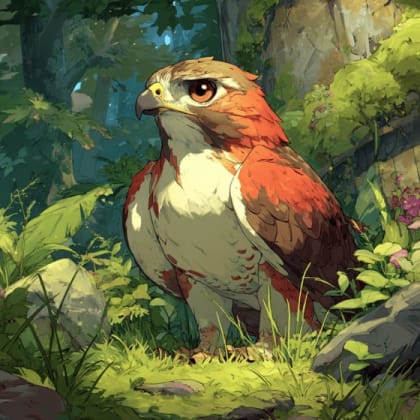


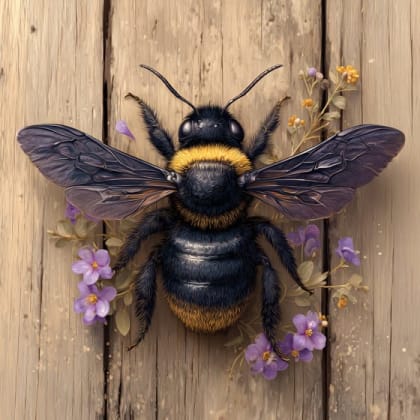

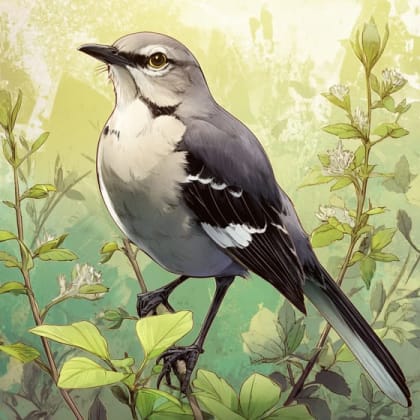












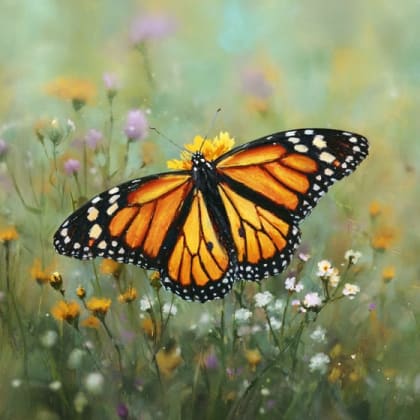








Start with the big picture, then zoom in to explore individual wildlife observations around this place.
Parking
Utilize designated parking areas at the main entrance off Route 16 in Medford, near the Blessing of the Bay Boathouse, or at various state park sections like Mystic Lakes State Park, Draw Seven State Park, Mary O'Malley State Park, and Torbert MacDonald State Park.
Transportation
Public transportation is an option; several bus routes and the MBTA Orange Line (Wellington Station) provide easy access. The Alewife T Station connects directly to the Alewife Greenway Path.
Bring Binoculars and Camera
The reservation is a hotspot for birdwatching and wildlife photography. Species like Great Blue Herons, Red-tailed Hawks, and various waterfowl are commonly sighted.
Seasonal Attire
Dress in layers, especially during spring and fall, and check the weather forecast. Summers can be hot and humid, while winters can be cold with snow.
Water Activities
If planning to kayak or canoe, consider renting equipment from local outfitters if you don't have your own. Look for access points along the river.
Explore Diverse Sections
The reservation spans multiple towns and includes various parks, each with unique features. Consider visiting different sections, such as McDonald Park for birdwatching or areas along the Mystic Valley Parkway for scenic walks.
Jun 18, 2026
Photo attribution
(c) Andrew Hrycyna, some rights reserved (CC BY)
License: CC BY 4.0 ↗
Image may be shown cropped inside the card frame.
Jun 14, 2026
Photo attribution
(c) frogspotter, some rights reserved (CC BY)
License: CC BY 4.0 ↗
Image may be shown cropped inside the card frame.
Jun 14, 2026
Photo attribution
(c) Zac Peterson, some rights reserved (CC BY)
License: CC BY 4.0 ↗
Image may be shown cropped inside the card frame.
Jun 19, 2026
Jun 19, 2026

Maryland, US
You might spot White-Tailed Deer and Eastern Gray Squirrel.
View guide →
.jpg)
District of Columbia, US
You might spot Eastern Gray Squirrel, Duck, and House Sparrow.
View guide →

Illinois, US
You might spot American Robin, Canada Goose, and House Sparrow.
View guide →

Virginia, US
You might spot Spotted Lanternfly and Northern Cardinal.
View guide →
Take the discovery with you
Identify the wildlife you spot, learn as you go, and keep a collection of the adventure.