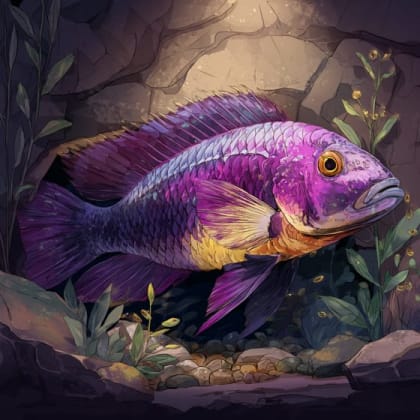
Flathead Catfish
Pylodictis olivaris
The Flathead Catfish is a unique fish with a flat head. It's known for its size and is a favorite among fishermen!
Habitat: Rivers and lakes
The Flathead Catfish has a distinctively wide, flattened head and a protruding lower jaw. Its body is mottled brown, yellow, and olive, providing excellent camouflage, and it lacks scales, possessing smooth, tough skin instead. Unlike other catfish, its tail is only slightly forked.
Category
FishRarity
Common
Danger
2/5 · Low
Snaps
Be the first to snap!
Flathead Catfish do not have scales, but rather tough, smooth skin!
Their super-wide, flat head helps them wedge into tight spots to hide!
They are powerful predators, often eating fish nearly half their own size!
Unlike other catfish, young Flatheads often swim together in big schools!
Flathead Catfish have sensitive barbels (whiskers) that help them taste and feel for prey in dark, murky water.
Flathead Catfish can change their mottled skin color to blend perfectly with muddy riverbeds, hiding from prey.
These nocturnal hunters gobble up other fish, crayfish, and insects from river bottoms!
Age differences: Young Flathead Catfish primarily eat insects and crustaceans, while adults transition to preying on larger fish.
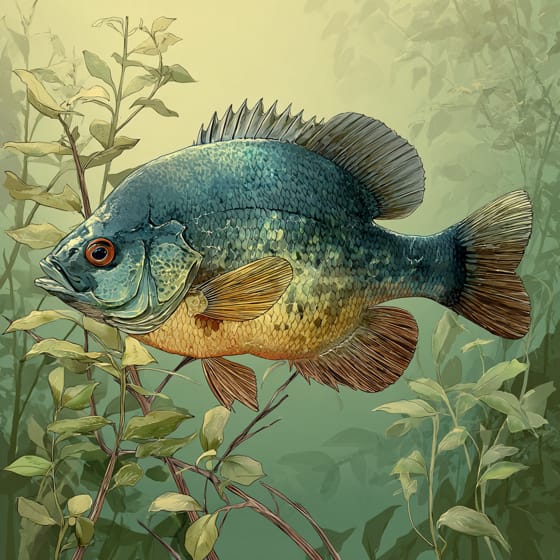
Lepomis macrochirus
A common prey item for larger Flathead Catfish.
Procambarus clarkii
A frequent part of the Flathead's diet.

Haliaeetus leucocephalus
Bald eagles may prey on smaller, juvenile Flathead Catfish.
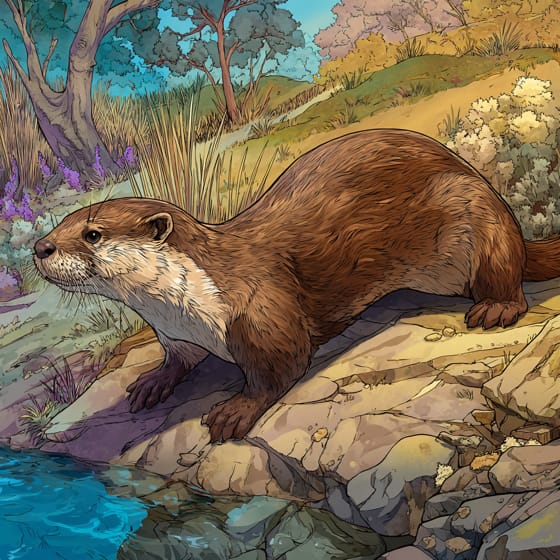
Lontra canadensis
River otters can catch and eat smaller Flathead Catfish.
Wildlife encompasses all undomesticated animal and plant life existing in their natural habitats.
Piscivorous organisms are animals that primarily subsist on a diet of fish.
This trait identifies organisms whose diet consists entirely or primarily of animal tissue.
Freshwater habitats include non-saline aquatic environments such as rivers, lakes, ponds, and wetlands, vital for numerous species.

Aquatic habitats encompass environments where organisms live predominantly in water, including oceans, rivers, lakes, and wetlands.

Nocturnal animals are primarily active during the nighttime hours, typically resting or sleeping during the day.
Danger
2/5 · Low
Watch quietly from a distance and never try to feed or chase wild animals.
30-150 cm
1-50 kg
5-20 years
These nocturnal hunters gobble up other fish, crayfish, and insects from river bottoms!
8 km/h
Rivers and lakes
Ambush
20 m
Zoom in to split clusters and explore where this object has been snapped.
Recent snaps will appear here as new observations are added.