

Red Deer
Cervus elaphus
Red deer are large, graceful animals with beautiful reddish-brown fur. They live in forests and are known for their impressive antlers, which they grow each year.
Habitat: Forests
The Red Deer is a large, sturdy deer, typically reddish-brown with a creamy rump patch, though their coat darkens in winter. Males sport impressive, multi-tined antlers that are shed and regrown annually, making them distinct from other smaller deer species.
Category
MammalsRarity
Common
Danger
2/5 · Low
Snaps
2
Baby Red Deer, called fawns, are born with white spots for perfect camouflage!
Red Deer roll in mud to cool off and scratch away pesky bugs!
Stags can grow up to 2.5 cm of antler every day during peak growing season!
These deer are fantastic swimmers, easily crossing wide rivers and lakes!
Red Deer stags can regrow enormous antlers annually, using them to battle rivals for mates.
Red Deer have an amazing sense of smell that helps them detect danger, like predators, from far away.
Red Deer possess strong, athletic legs that allow them to run fast and leap over obstacles with ease.
Red Deer are plant-eaters, enjoying a varied diet of grasses, leaves, and other plant parts.
Canis lupus
Wolves are a primary predator of Red Deer, especially the young.
Lynx lynx
Lynx sometimes hunt Red Deer fawns or weaker individuals.
Quercus robur
Deer browse on oak leaves, shoots, and acorns.
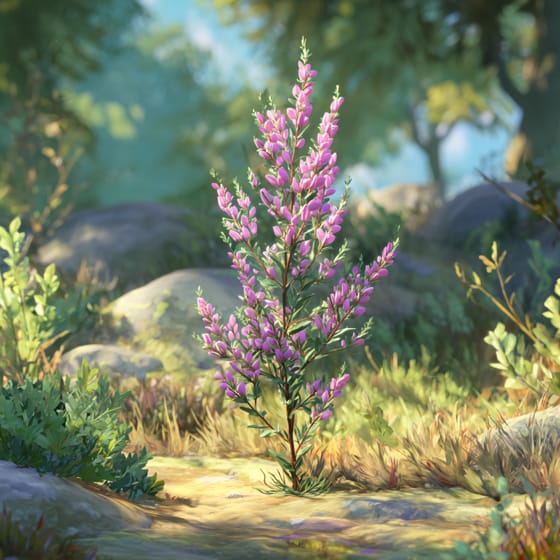
Calluna vulgaris
Heather is a vital food source in moorland habitats.
Furry describes animals possessing a dense covering of soft hair or fur.
Social animals live in organized groups, cooperating for survival benefits such as foraging, defense, and raising offspring.
Antlered describes animals possessing antlers, which are bony, branching growths found predominantly on male deer and related species.
This trait characterizes organisms whose diet consists entirely or primarily of plant material.

Forest habitats are terrestrial environments dominated by dense tree cover, supporting a high diversity of plant and animal life.

Diurnal animals are primarily active during daylight hours, typically resting or sleeping at night.

Describes a species whose presence and role have a disproportionately large effect on its environment.

This trait identifies organisms that exhibit exceptional swiftness in movement for hunting, escape, or travel.
Danger
2/5 · Low
Always watch red deer from a distance and never try to touch or feed them.
160-260 cm
120-250 kg
10-20 years
65 km/h
Red Deer are plant-eaters, enjoying a varied diet of grasses, leaves, and other plant parts.
Forests
Grazing
1-2
Zoom in to split clusters and explore where this object has been snapped.

Spain, ES
You might spot Yellow Rock Rose and Sage-Leaved Rock-Rose.
View guide →

Liberec Region, CZ
You might spot Red Deer.
View guide →
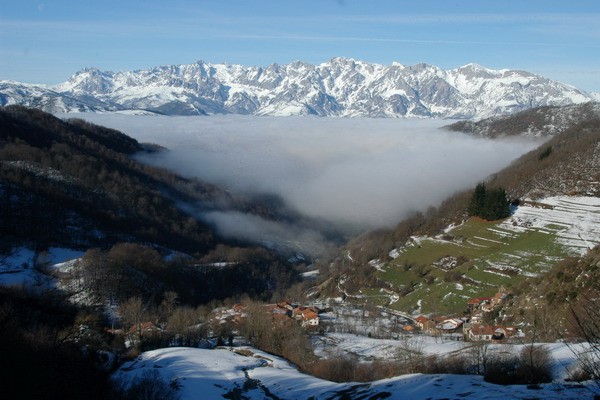
Spain, ES
You might spot Pyrenean Chamois, Alpine Toadflax, and Pyrenean Eryngo.
View guide →

Saarland, DE
You might spot Red Deer, European Fallow Deer, and Sika Deer.
View guide →
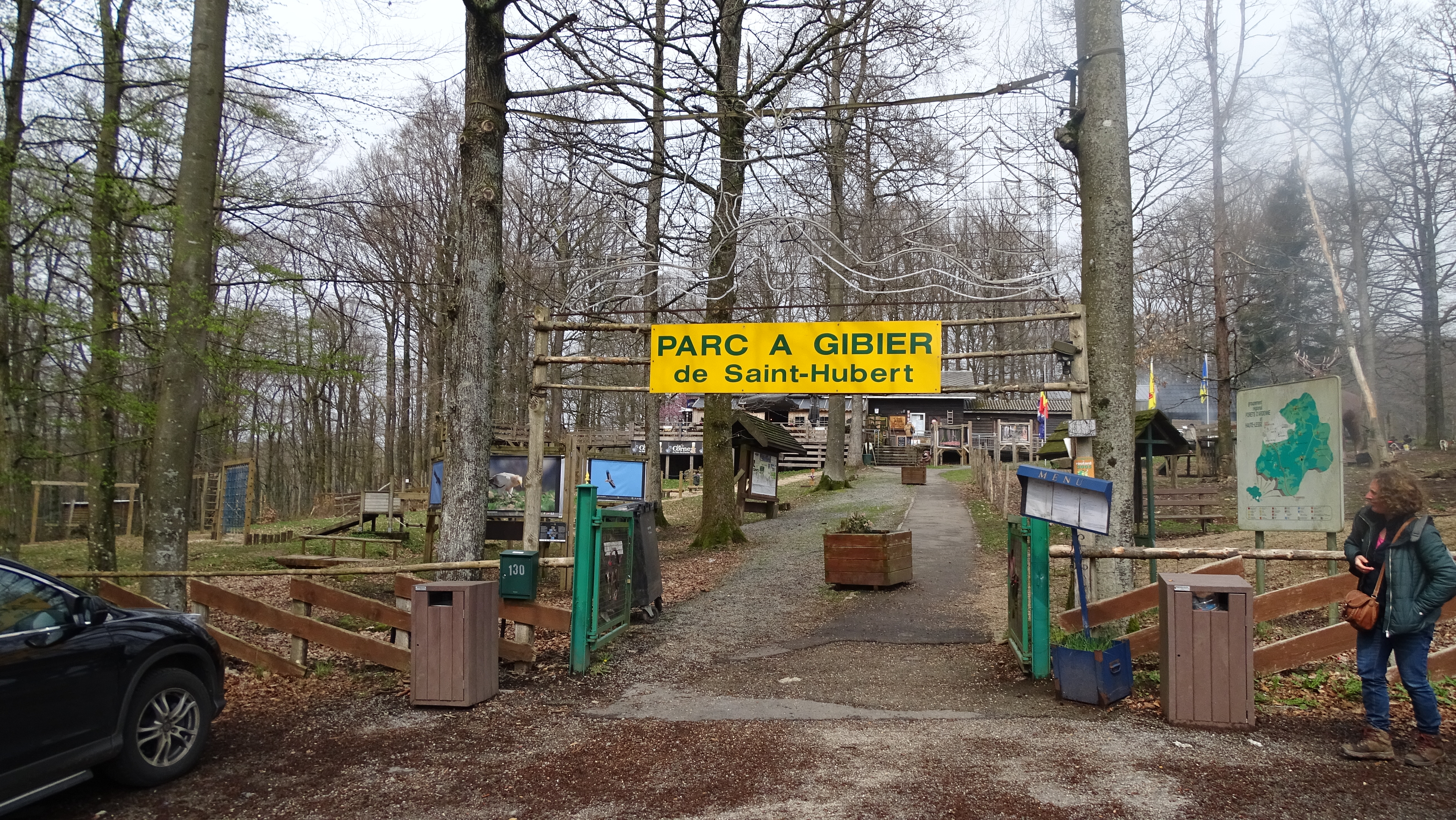
Luxembourg, BE
You might spot Northern Pintail, Turkey, and Wild Boar.
View guide →

Zurich, CH
You might spot Gray Wolf, Equus Ferus Przewalskii, and European Lynx.
View guide →