Ant
Formica rufa
Ants are tiny insects that live in large groups called colonies. They work together to find food and build intricate tunnels underground. Ants come in many colors and sizes, and they are very strong for their size.
Habitat: Forests, Grasslands, Urban areas
The Ant is a reddish-brown insect, often with a darker abdomen. It has a segmented body, six jointed legs, and prominent antennae for sensing. Unlike some other insects, worker ants do not possess wings, making their smooth, industrious movement distinctive.
Category
InsectsRarity
Common
Danger
2/5 · Low
Snaps
Be the first to snap!
Ants don't have ears; they feel ground vibrations with special sensors on their legs.
Queen ants can live for decades, making them one of the longest-living insects!
Some ants 'farm' tiny insects called aphids for their sweet honeydew snack!
When floods hit, some ants can link together to form a living, floating raft!
Ant can spray formic acid from its abdomen because of a special gland, that helps them defend their nest and stun prey.
Ant has incredibly strong muscles that help them carry objects many times their own body weight back to the colony.
Ant can build huge, dome-shaped nests from plant material and soil that helps protect their colony from weather and predators.
Ant has the ability to lay scent trails because of pheromone glands, that helps them guide other ants to food sources.
Ants are resourceful eaters, enjoying sugary honeydew from aphids and hunting small insects.
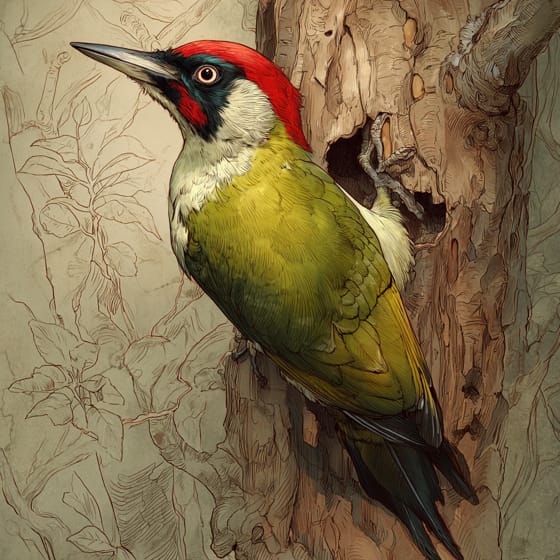
Picus viridis
Specializes in digging up ants.
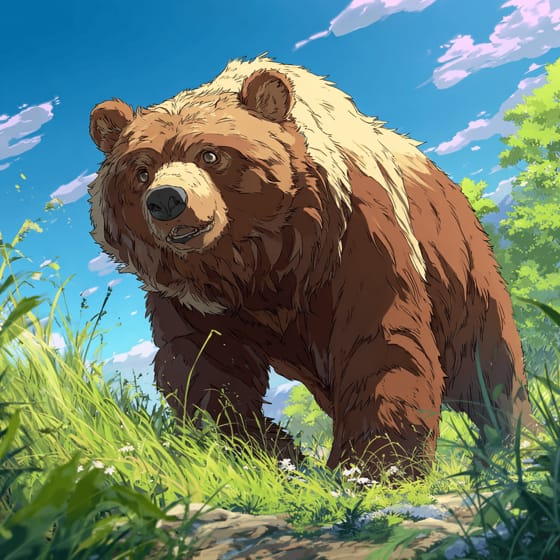
Ursus arctos
Raids ant nests for food.
Aphis fabae
Ants 'farm' aphids for honeydew.
Lymantria monacha
Ants hunt and eat its caterpillars.
Social animals live in organized groups, cooperating for survival benefits such as foraging, defense, and raising offspring.
This trait identifies organisms whose diet includes both plant and animal matter.
Burrowing animals dig tunnels and chambers in the ground, using these subterranean structures for shelter, hunting, or breeding.
Grassland habitats are terrestrial biomes dominated by grasses and herbaceous plants, supporting a variety of grazing animals.
This trait describes organisms that manipulate external objects to achieve a specific goal.

This trait signifies organisms belonging to a very old evolutionary group with ancestors dating back millions of years.

Forest habitats are terrestrial environments dominated by dense tree cover, supporting a high diversity of plant and animal life.

This trait characterizes organisms with an exceptionally long lifespan compared to others of their kind.

Pertaining to species that are significantly smaller than typical or average for their kind.

Venomous organisms produce toxins that are injected into another animal, typically through a bite or sting.
Danger
2/5 · Low
Watch ants from a safe distance and avoid touching them to let them do their important work.
4-11 mm
365-7300 days
Ants are resourceful eaters, enjoying sugary honeydew from aphids and hunting small insects.
Forests, Grasslands, Urban areas
Foraging
6
400000
Zoom in to split clusters and explore where this object has been snapped.
Recent snaps will appear here as new observations are added.

Spain, ES
You might spot Giant Panda, Red Panda, and Asian Elephant.
View guide →

District of Columbia, US
You might spot Eastern Gray Squirrel, House Sparrow, and American Robin.
View guide →

Spain, ES
You might spot African Penguin, Sea Turtle, and Penguin.
View guide →
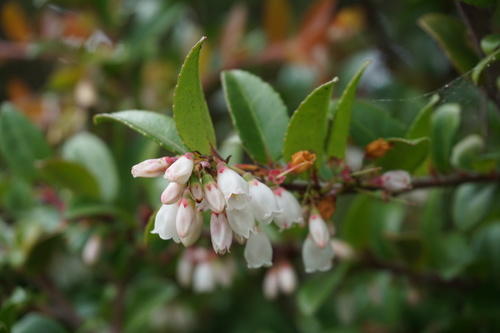
British Columbia, CA
You might spot Evergreen Huckleberry, Salal, and Pacific Madrone.
View guide →

Spain, ES
You might spot Seal, Octopus, and Ant.
View guide →