Migratory Locust
Melanoplus sanguinipes atlanis
Migratory Locusts are special grasshoppers that travel in big groups. They can eat a lot of plants, which makes them very interesting!
Habitat: Open fields and grasslands
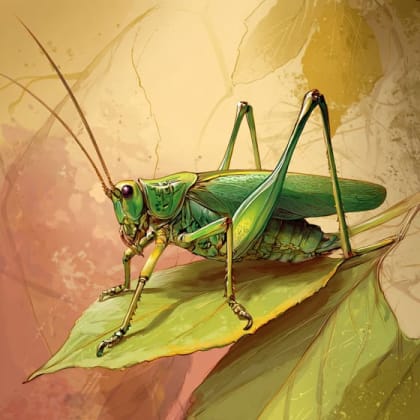
The Migratory Locust is typically mottled brown to greenish-yellow with powerful hind legs for jumping. It has short antennae and clear, veined wings. Its robust body and overall brownish coloration help it blend into dry grassland environments.
Category
InsectsRarity
Common
Danger
2/5 · Low
Snaps
Be the first to snap!
A locust's ears are on its belly, not its head! Wow!
Female locusts can lay hundreds of eggs underground!
These insects can fly for several days without landing!
They can jump up to 20 times their own body length!
Migratory Locust has strong wings that help them fly many kilometers during seasonal migrations.
Migratory Locust can consume a wide variety of plants, helping them find food in different habitats.
These hungry insects munch on many kinds of plants, often causing big damage.
Wildlife encompasses all undomesticated animal and plant life existing in their natural habitats.
Grassland habitats are terrestrial biomes dominated by grasses and herbaceous plants, supporting a variety of grazing animals.
This trait characterizes organisms whose diet consists entirely or primarily of plant material.
Migratory animals undertake seasonal movements from one region to another, typically in response to changes in climate or food availability.
Danger
2/5 · Low
Do not touch or pick up. Some insects sting or bite. Ask an adult for help.
40-70 mm
20-35 mm
30-70 days
15 km/h
These hungry insects munch on many kinds of plants, often causing big damage.
Open fields and grasslands
Foraging
6
Zoom in to split clusters and explore where this object has been snapped.
Recent snaps will appear here as new observations are added.