Flounder
Paralichthys dentatus
Flounder is a flat fish that likes to hide on the ocean floor. They can change their color to blend in with their surroundings!
Habitat: Ocean floor
The Flounder has a uniquely flattened, oval-shaped body, with both eyes positioned on one side of its head. Its skin is mottled brown, gray, or olive, allowing it to perfectly blend into sandy or muddy seafloors, making it almost invisible.
Category
FishRarity
Common
Danger
2/5 · Low
Snaps
Be the first to snap!
A flounder's mouth also twists to one side, matching where its eyes are!
Flounder start life swimming upright, just like other fish!
Some types of flounder can even live in both ocean and river waters!
They eat tiny crabs and worms, gulping them from the sandy bottom!
Flounder can change its skin color and pattern in seconds because of special cells, allowing it to disappear into the seafloor.
Flounder has eyes that move from opposite sides to one side of its head during development, that helps them see above while lying flat.
Flounder can quickly bury itself partially in sand or mud using rapid fin movements, that helps them hide from predators and ambush prey.
Flounder has an incredibly flat body shape, that helps them stay close to the seabed and avoid strong currents.
They are bottom-dwelling hunters, munching on small animals found on the seabed.

Phoca vitulina
Seals hunt flounders hiding on the seafloor.
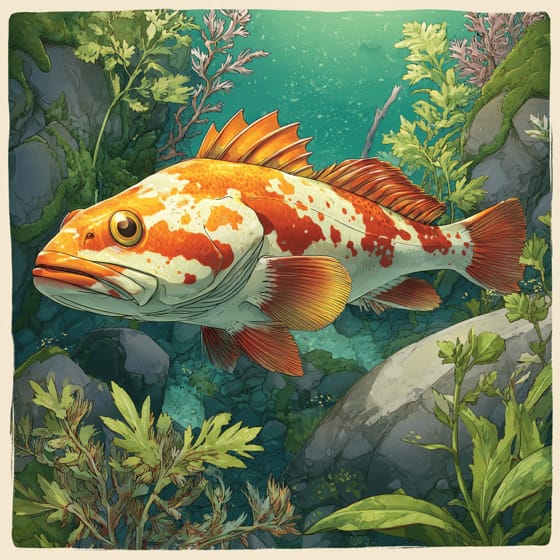
Gadus morhua
Larger fish like cod prey on flounders.
Crangon crangon
Flounders ambush and eat small crustaceans.
Nereis diversicolor
Many flounder species feed on marine worms.
Wildlife encompasses all undomesticated animal and plant life existing in their natural habitats.
Camouflaged describes organisms that possess coloring or patterns that allow them to blend into their environment.
Piscivorous organisms are animals that primarily subsist on a diet of fish.
Aquatic habitats encompass environments where organisms live predominantly in water, including oceans, rivers, lakes, and wetlands.

Marine habitats encompass all saltwater environments of the Earth's oceans, supporting an immense diversity of aquatic life.

Nocturnal animals are primarily active during the nighttime hours, typically resting or sleeping during the day.
Danger
2/5 · Low
Watch quietly from a distance and never try to feed or chase wild animals.
20-50 cm
0.5-2 kg
3-15 years
They are bottom-dwelling hunters, munching on small animals found on the seabed.
8 km/h
Ocean floor
Ambush
200 m
Zoom in to split clusters and explore where this object has been snapped.
Recent snaps will appear here as new observations are added.