Dragonfly
Odonata
Dragonflies are colorful insects with big eyes and transparent wings. They love to fly around near water and catch smaller insects for their meals.
Habitat: Wetlands
The Dragonfly has a long, slender body, often brightly colored in iridescent blues, greens, or reds. It features two pairs of large, transparent wings and massive compound eyes that cover most of its head, giving it a distinctive, ancient look.
Category
InsectsRarity
Common
Danger
1/5 · Very low
Snaps
Be the first to snap!
Dragonflies don't sting or bite people; they are harmless, despite their fierce look!
Dragonflies eat hundreds of mosquitoes every day, helping control insect populations.
Dragonfly nymphs live underwater for years, eating tiny creatures before becoming adults!
Each of a dragonfly's huge eyes has 30,000 tiny lenses for amazing sight!
Dragonfly can fly in any direction, even backward, because its four wings move independently.
Dragonfly has enormous compound eyes covering most of its head, which helps them see predators and prey in almost all directions.
Dragonfly can catch prey mid-flight with its spiky legs, using them like a basket to trap insects.
Dragonfly has powerful wings that allow it to reach speeds of up to 60 km/h, making it a super-fast insect.
Dragonflies are fierce predators that hunt other insects, especially flying ones.
Age differences: Nymphs hunt aquatic insects and tadpoles underwater; adults prey on flying insects.
Aedes aegypti
Adult dragonflies actively hunt and consume mosquito species.
Musca domestica
Dragonflies frequently capture and eat house flies mid-flight.
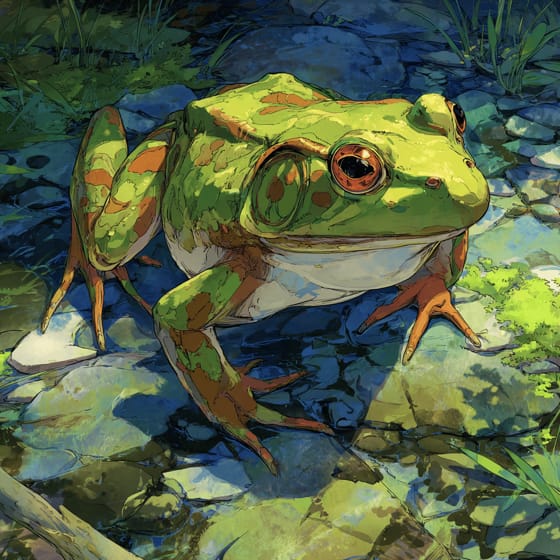
Rana catesbeiana
Bullfrogs prey on dragonfly nymphs and emerging adults from water.
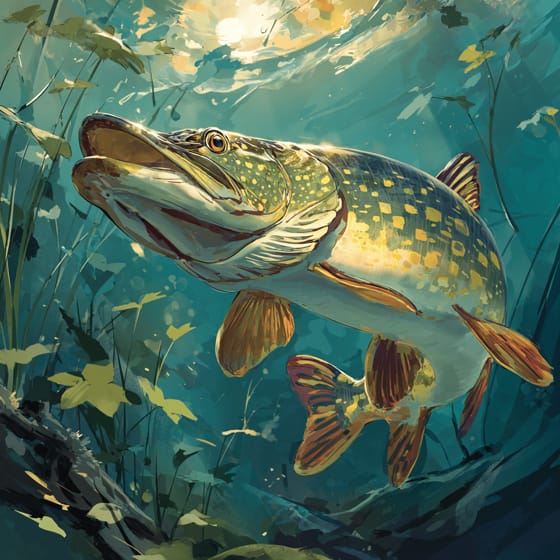
Esox lucius
Large fish, like pike, can prey on dragonfly nymphs in water.
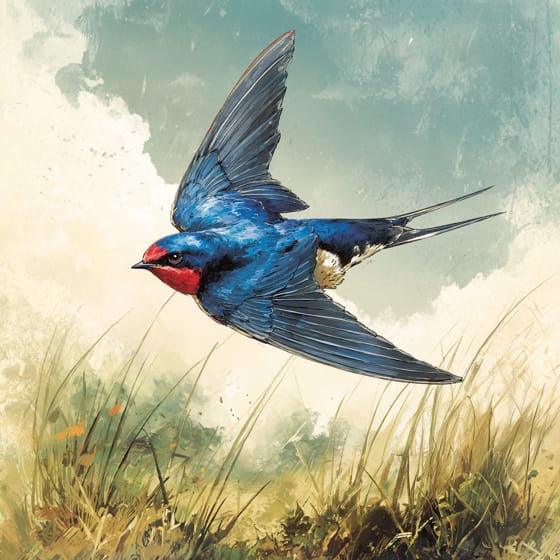
Hirundo rustica
Barn swallows catch adult dragonflies as part of their insect diet.
Aerial creatures spend a significant portion of their lives airborne, utilizing flight for various activities such as hunting, migration, or nesting.
Colorful describes organisms or objects displaying a wide range of bright and distinct colors.
This trait identifies organisms whose diet primarily consists of insects and other small invertebrates.
This trait signifies organisms belonging to a very old evolutionary group with ancestors dating back millions of years.

This habitat trait identifies species found in wetlands, which are areas of land saturated with water, either permanently or seasonally, including marshes, swamps, and bogs.

Diurnal animals are primarily active during daylight hours, typically resting or sleeping at night.

This trait identifies organisms that exhibit exceptional swiftness in movement for hunting, escape, or travel.

Migratory animals undertake seasonal movements from one region to another, typically in response to changes in climate or food availability.
Danger
1/5 · Very low
Enjoy watching dragonflies from a safe distance and never try to catch or touch them.
30-150 mm
20-120 mm
30-120 days
60 km/h
Dragonflies are fierce predators that hunt other insects, especially flying ones.
Wetlands
Pursuit
6
Zoom in to split clusters and explore where this object has been snapped.
Recent snaps will appear here as new observations are added.