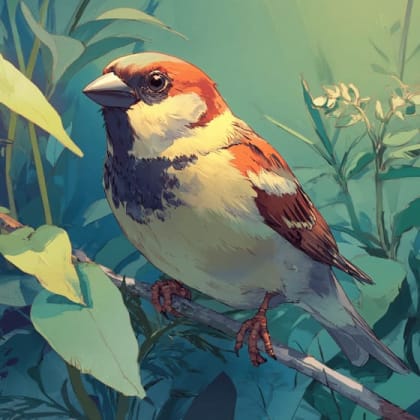
Emperor Penguin
Aptenodytes forsteri
The Emperor Penguin is the largest penguin species. They are known for their striking black and white coloring and can survive in very cold temperatures.
Habitat: Antarctic ice and waters
The Emperor Penguin is the tallest and heaviest of all penguins, featuring a striking black back and head, a pure white belly, and distinctive golden-orange patches on its neck and upper chest. Its streamlined body and powerful flippers are built for swimming.
Category
BirdsRarity
Rare
Danger
2/5 · Low
Snaps
Be the first to snap!
Emperor Penguins are the tallest of all penguins, standing over three feet (one meter) tall!
Male Emperor Penguins fast for over 100 days during winter while incubating their single egg!
They can drink saltwater because special glands behind their eyes filter out the salt!
They don't build nests; instead, they balance their precious egg on their feet under a warm fold of skin.
Emperor Penguin has four layers of short, stiff feathers and a thick layer of blubber that helps them stay warm in frigid Antarctic temperatures.
Emperor Penguin can travel up to 200 kilometers across the ice to breeding grounds, navigating with remarkable precision.
These expert hunters dive deep for fish, squid, and tiny shrimp-like creatures!
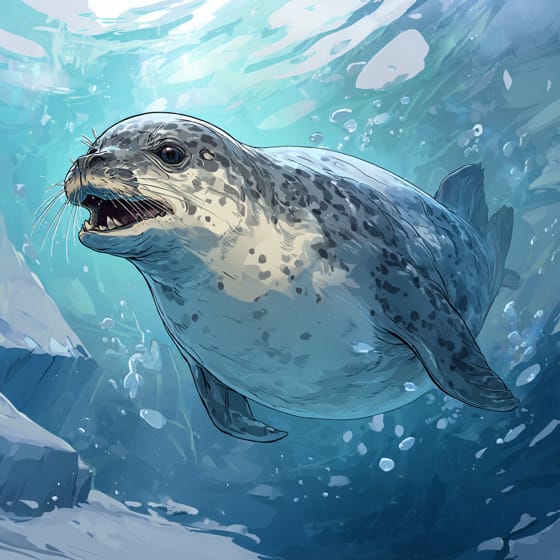
Hydrurga leptonyx
A major predator of penguins in Antarctic waters.
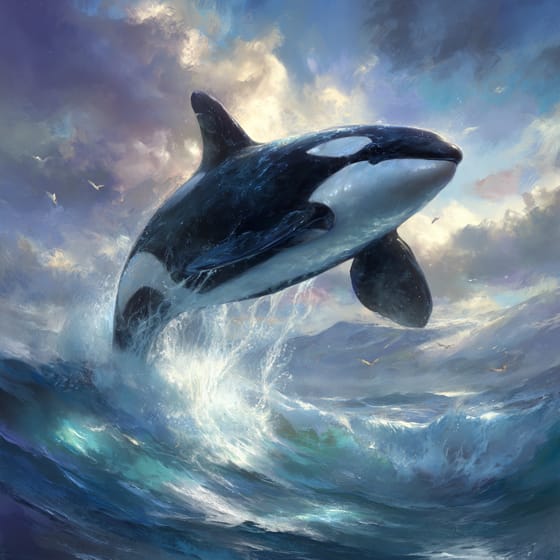
Orcinus orca
Powerful marine mammals that hunt adult penguins.
Pleuragramma antarcticum
A primary food source for Emperor Penguins.
Euphausia superba
Small crustaceans that form part of their diet.
Wildlife encompasses all undomesticated animal and plant life existing in their natural habitats.
Feathered describes animals, primarily birds, possessing a covering of feathers.
Social animals live in organized groups, cooperating for survival benefits such as foraging, defense, and raising offspring.
Piscivorous organisms are animals that primarily subsist on a diet of fish.

Thermoregulating organisms maintain a stable internal body temperature despite fluctuations in the external environment.

This habitat trait refers to species inhabiting tundras, which are treeless biomes characterized by permafrost, cold temperatures, and low-growing vegetation.

This trait signifies organisms belonging to a very old evolutionary group with ancestors dating back millions of years.
No aliases listed yet.
Danger
2/5 · Low
Watch quietly from a distance and never try to feed or chase wild animals.
100-130 cm
76-90 cm
22-45 kg
15-20 years
10 km/h
These expert hunters dive deep for fish, squid, and tiny shrimp-like creatures!
Antarctic ice and waters
Pursuit
Zoom in to split clusters and explore where this object has been snapped.
Recent snaps will appear here as new observations are added.