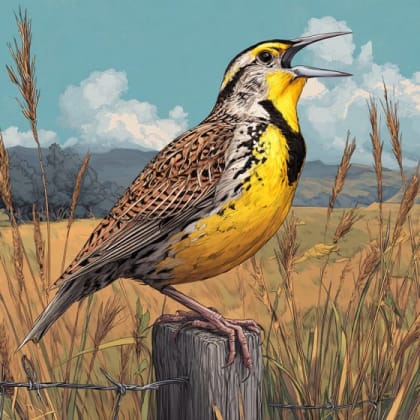
Meadowlark
Sturnella magna
Meadowlarks are beautiful birds with bright yellow bellies and melodious songs. They love to hop around in open fields and grasslands, searching for insects and seeds to eat.
Habitat: Grasslands
The Meadowlark has a bright yellow breast with a striking black V-shaped band across it. Its back is mottled brown and streaky, helping it blend into tall grasses. This bold yellow and black pattern makes it instantly recognizable in open fields.
Category
BirdsRarity
Common
Danger
1/5 · Very low
Snaps
4
Each meadowlark species has a unique song, like a special secret handshake for their kind!
Meadowlarks stomp their feet on the ground to make tasty worms come to the surface!
The black 'V' on their chest helps meadowlarks quickly recognize other meadowlarks.
Their nests are often roofed with grass, making them like tiny, secret bird caves!
Meadowlark can sing a beautiful, clear, flute-like song to attract mates and declare its territory.
Meadowlark has mottled brown feathers on its back that help it blend perfectly into tall grass, avoiding predators.
Meadowlark can construct a dome-shaped nest on the ground, cleverly woven into grasses to protect its eggs.
Meadowlarks eat a yummy mix of insects and seeds, especially grasshoppers and crickets!
Age differences: Young birds primarily eat protein-rich insects for rapid growth and development.
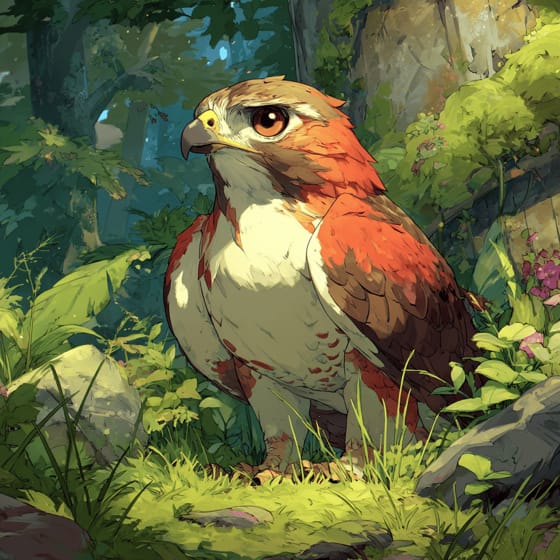
Buteo jamaicensis
A common predator in open fields.
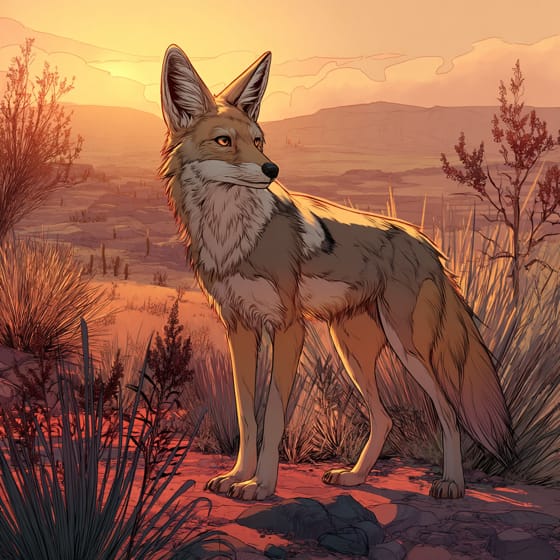
Canis latrans
Hunts ground-nesting birds and eggs.
Melanoplus differentialis
A major food source in meadows.
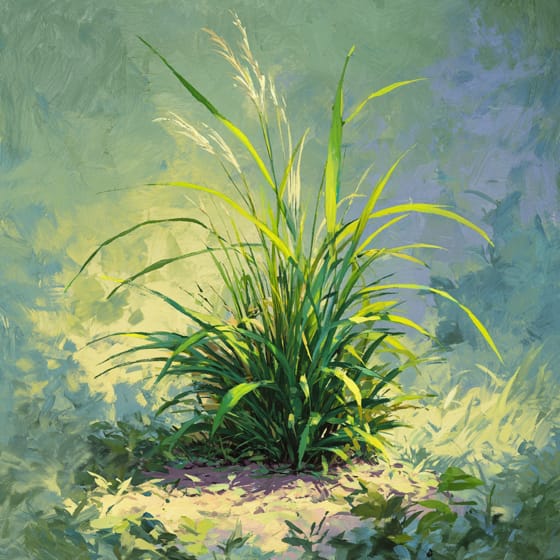
Poa pratensis
Eats seeds from this common grass.
Wildlife encompasses all undomesticated animal and plant life existing in their natural habitats.
Feathered describes animals, primarily birds, possessing a covering of feathers.
Social animals live in organized groups, cooperating for survival benefits such as foraging, defense, and raising offspring.
Singing animals produce complex vocalizations, often for purposes of attracting mates, defending territory, or communicating within their species.

Grassland habitats are terrestrial biomes dominated by grasses and herbaceous plants, supporting a variety of grazing animals.

This trait identifies organisms whose diet primarily consists of insects and other small invertebrates.

Diurnal animals are primarily active during daylight hours, typically resting or sleeping at night.
Danger
1/5 · Very low
Enjoy watching meadowlarks from a distance to avoid disturbing their nests.
19-28 cm
35-40 cm
0.07-0.12 kg
2-8 years
60 km/h
Meadowlarks eat a yummy mix of insects and seeds, especially grasshoppers and crickets!
Grasslands
Foraging
Zoom in to split clusters and explore where this object has been snapped.

Virginia, US
You might spot Brown Pelican and Double-Crested Cormorant.
View guide →

Texas, US
You might spot African Lion, Giraffes, and Tiger.
View guide →

Texas, US
You might spot Harbor Seal, Chinstrap Penguin, and Cotton-Top Tamarin.
View guide →
Florida, US
You might spot Black Vulture, American Alligator, and Green Iguana.
View guide →