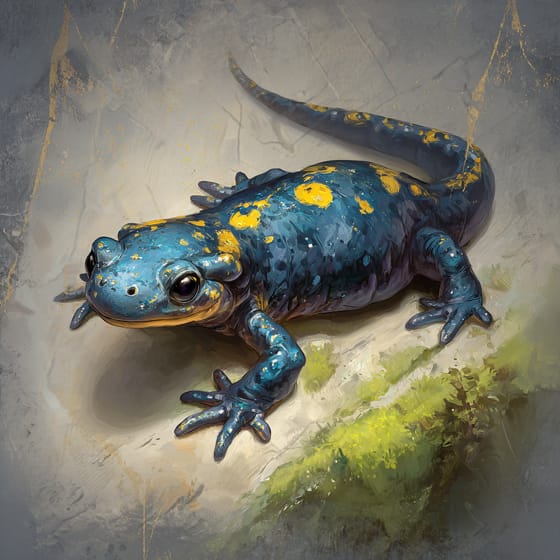





Cave Salamander
Eurycea lucifuga
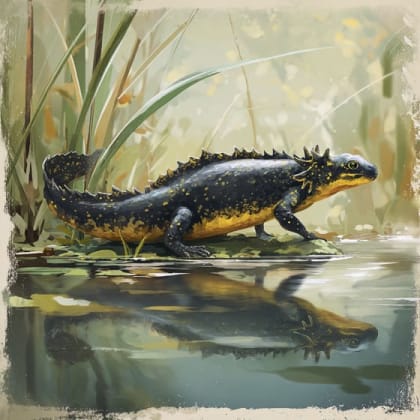
The Cave Salamander is a small amphibian that lives in dark, damp places like caves. It has a slim body and bright orange or yellow spots on its back.
Habitat: Caves
The Cave Salamander is a slender amphibian, typically bright orange or yellow with scattered black spots. It has long limbs and a long tail, often with a reddish tint around its eyes, making it distinct from purely terrestrial salamanders.
Category
AmphibiansRarity
Common
Danger
2/5 · Low
Snaps
Be the first to snap!
Baby Cave Salamanders live in water and breathe with feathery external gills.
Did you know some Cave Salamanders have reddish eyes, which helps them see in dim light?
These salamanders are very sensitive to the temperature and purity of their cave homes.
They can regrow lost tails or even entire limbs if they get injured!
Cave Salamander can find prey in total darkness because of special sensory cells on its skin that detect subtle vibrations.
Cave Salamander has specialized toes and a flexible body that helps them climb slick, vertical cave walls with ease.
Cave Salamander can quickly shed its tail when grabbed by a predator, distracting it while the salamander escapes.
This salamander is a carnivore, primarily hunting small insects and other invertebrates in its dark, damp habitat.
Age differences: Larvae consume smaller aquatic invertebrates, while adults primarily hunt terrestrial insects.

Procyon lotor
A nocturnal predator that can find salamanders in caves.
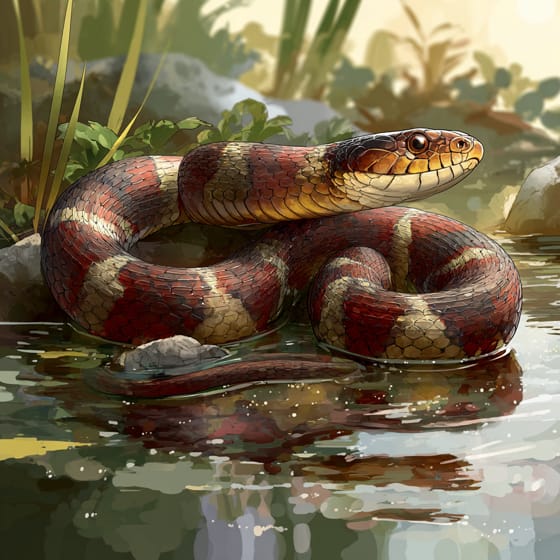
Nerodia sipedon
An opportunistic snake that preys on amphibians in wet habitats.
Gryllus pennsylvanicus
A common cave insect that Cave Salamanders actively hunt.
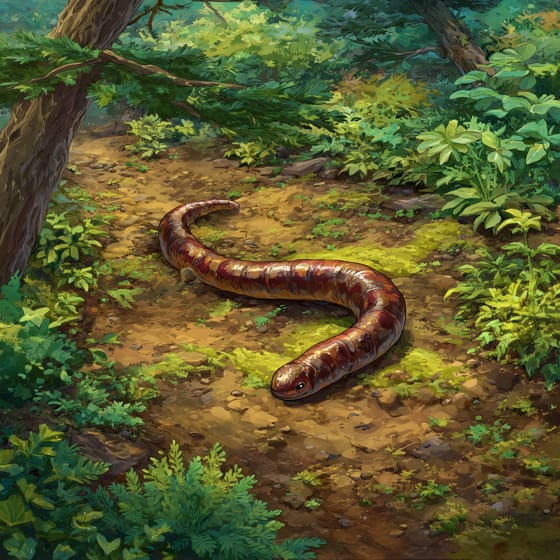
Lumbricus terrestris
A slow-moving invertebrate often found in damp soil.
Characterized by having toes connected by a membrane, typically aiding in swimming.
Burrowing animals dig tunnels and chambers in the ground, using these subterranean structures for shelter, hunting, or breeding.
Camouflaged describes organisms that possess coloring or patterns that allow them to blend into their environment.
Cave dwelling describes organisms specifically adapted to live in underground cave systems, often exhibiting specialized traits due to lack of light.

This trait identifies organisms whose diet primarily consists of insects and other small invertebrates.

This trait signifies organisms belonging to a very old evolutionary group with ancestors dating back millions of years.

Regenerative organisms possess the ability to regrow lost or damaged body parts, tissues, or organs.

Nocturnal animals are primarily active during the nighttime hours, typically resting or sleeping during the day.
Danger
2/5 · Low
If you ever see a Cave Salamander, observe from a distance and never disturb its habitat.
10-20 cm
0.005-0.015 kg
5-10 years
1 km/h
This salamander is a carnivore, primarily hunting small insects and other invertebrates in its dark, damp habitat.
Caves
Ambush
10-80
Zoom in to split clusters and explore where this object has been snapped.
Recent snaps will appear here as new observations are added.