





European Green Toad
Bufo viridis
The European Green Toad is a cute little toad that loves warm weather! They often sit in sunny spots to soak up the sun.
Habitat: Grasslands and gardens
The European Green Toad has smooth, warty skin, strikingly patterned with olive-green or dark green blotches over a light grey or whitish background. Its distinct coloring helps it camouflage in grassy environments and sandy areas.
Category
AmphibiansRarity
Common
Danger
2/5 · Low
Snaps
Be the first to snap!
Female toads can lay thousands of eggs in long, jelly-like strings in the water!
Their unique call sounds like a rapidly trilling whistle, not a typical croak!
They can change their skin color slightly to blend even better with their surroundings!
Unlike most amphibians, these toads can live far from water, even in very dry grasslands!
European Green Toad has special glands that produce a mild toxin, making them taste bad to predators and deterring attacks.
European Green Toad can survive in slightly salty, or brackish, water, an unusual ability for an amphibian!
European Green Toad can dig burrows to escape heat and cold, helping them survive harsh weather conditions.
This toad loves to munch on many kinds of small insects and other tiny creatures.
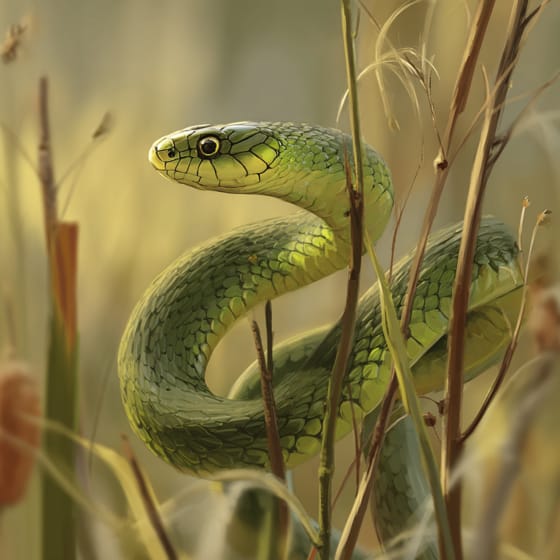
Natrix natrix
A common predator, snakes like to hunt these toads.
.jpg&width=800)
Ardea cinerea
Large wading birds like herons prey on toads near water.
Formica rufa
Toads often eat ants, especially if they are abundant.

Carabus auratus
Ground beetles are a favorite meal for these toads.
Wildlife encompasses all undomesticated animal and plant life existing in their natural habitats.
Singing animals produce complex vocalizations, often for purposes of attracting mates, defending territory, or communicating within their species.
Camouflaged describes organisms that possess coloring or patterns that allow them to blend into their environment.
Grassland habitats are terrestrial biomes dominated by grasses and herbaceous plants, supporting a variety of grazing animals.

This trait identifies organisms whose diet primarily consists of insects and other small invertebrates.

Diurnal animals are primarily active during daylight hours, typically resting or sleeping at night.
Danger
2/5 · Low
Look but don’t touch. Keep a safe distance and wash hands after exploring.
The easiest way to identify European Green Toad is to use the Snappit nature identifier app.
5-9 cm
0.02-0.07 kg
7-12 years
0.5 km/h
This toad loves to munch on many kinds of small insects and other tiny creatures.
Grasslands and gardens
Ambush
Zoom in to split clusters and explore where this object has been snapped.
Recent snaps will appear here as new observations are added.
Take the discovery with you
Snap it with Snappit to identify it, learn what makes it special, and add the discovery to your collection.








.JPG&width=800)



.jpg&width=800)

