




White Tailed Deer
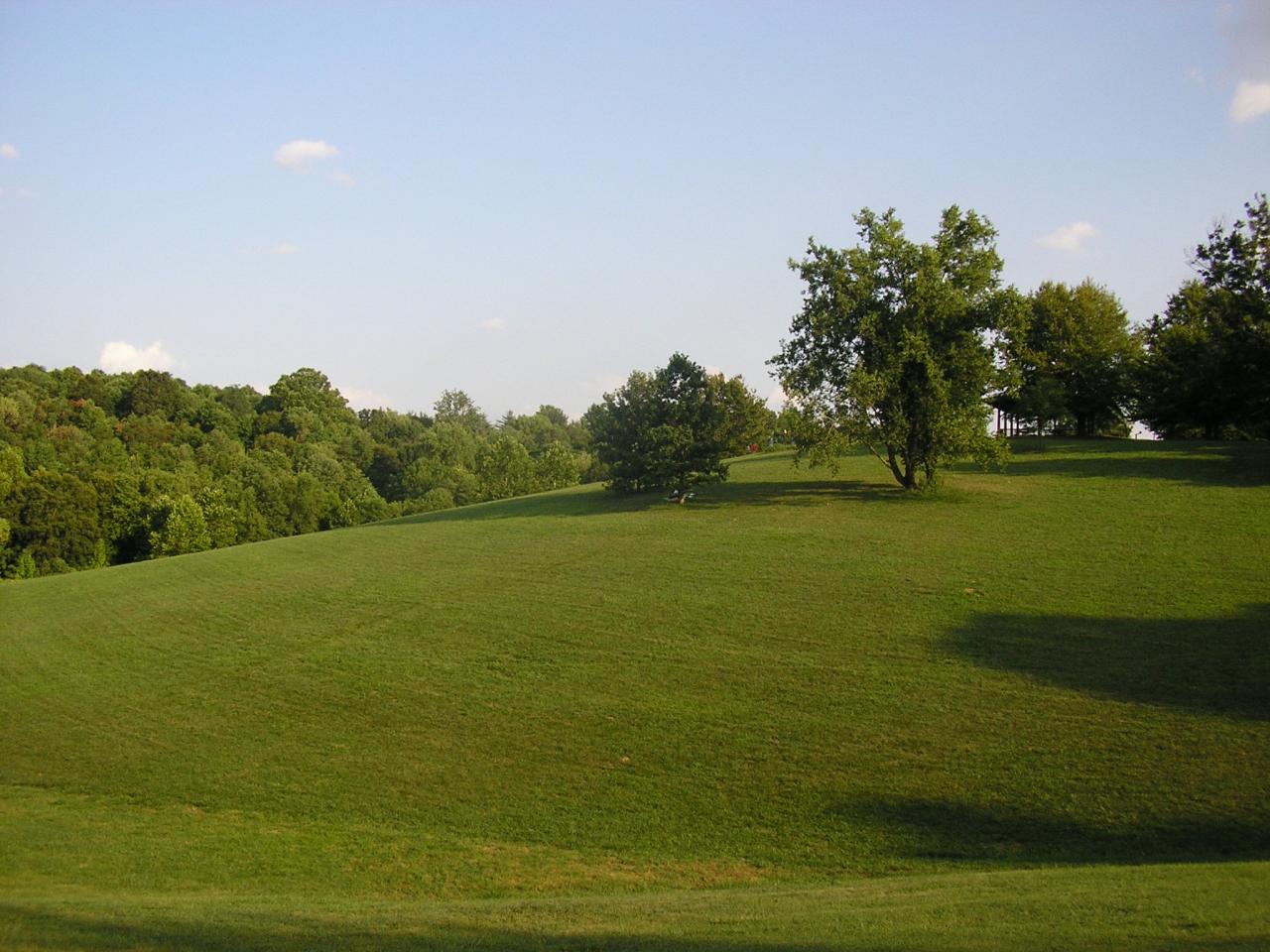
Nestled within Louisville, Kentucky, Cherokee Park is a magnificent 409-acre urban oasis, thoughtfully designed by the renowned landscape architect Frederick Law Olmsted.
Nestled within Louisville, Kentucky, Cherokee Park is a magnificent 409-acre urban oasis, thoughtfully designed by the renowned landscape architect Frederick Law Olmsted. This picturesque retreat seamlessly blends rolling hills, expansive open meadows, and dense woodlands, offering a refreshing escape from city life. It's a haven for nature enthusiasts, outdoor adventurers, and those simply seeking tranquility amidst stunning natural beauty, drawing approximately 500,000 visitors annually.
The park's diverse habitats provide a vibrant ecosystem, making it a fantastic spot for observing local flora and fauna. Visitors can explore winding trails where spring wildflowers like great waterleaf, lesser celandine, mayapple, Celandine Poppy, toadshade, Virginia Springbeauty, and Virginia bluebells carpet the forest floor. Keep an eye out for abundant wildlife, including White-tailed Deer, Eastern Gray Squirrels, Eastern Cottontails, and a variety of birds such as the American Robin, Northern Cardinal, and even the majestic Barred Owl. Beargrass Creek meanders through much of the park, adding to its scenic charm.
Cherokee Park is more than just a park; it's a cherished community landmark offering a memorable experience for everyone. Whether you're jogging along the iconic Scenic Loop, enjoying a peaceful picnic under a mature tree, or discovering hidden trails, the park's ever-changing landscapes and rich biodiversity create a sense of wonder and connection to nature. Its blend of recreational opportunities and ecological richness makes it a true gem in Louisville's park system, ensuring every visit is unique and inspiring. Wondering what that bird or insect is? Find out on your visit using the Snappit nature app.
Cherokee Park is a cornerstone of Louisville's historic park system, designed in 1891 by the "father of landscape architecture," Frederick Law Olmsted. Olmsted, famous for his work on New York's Central Park, was invited to Louisville by a group of citizens who envisioned a grand park system for the city. His firm developed a master plan for three major multi-purpose parks—Cherokee, Iroquois, and Shawnee—each designed to embrace the unique topographical elements of its location. Cherokee Park, specifically, was envisioned for more relaxing activities like walking, hiking, and horseback riding, taking advantage of its rolling hills and the Beargrass Creek valley. The park system, including Cherokee, was listed on the National Register of Historic Places in 1982. In 1974, a tornado devastated much of the park, but a massive replanting effort, guided by Olmsted's original plans, restored its natural beauty.
Hike, run, or bike the Scenic Loop or various unpaved trails.
Enjoy a picnic at one of the many designated areas or open meadows.
Wildlife watching: Look for White-tailed Deer, Eastern Gray Squirrels, Eastern Cottontails, and a wide array of birds like American Robins, Northern Cardinals, and Barred Owls.
Photograph wildflowers in spring, like Virginia bluebells and Mayapple.
Utilize recreational facilities such as archery ranges, basketball courts, and playgrounds.
Visit Willow Pond for fishing.
Spring: Vibrant with blooming wildflowers, active birdlife.
Summer: Lush green canopy provides shade; ideal for morning/evening activities.
Fall: Breathtaking fall foliage and pleasant temperatures; often features special events like hayrides.
Winter: Quieter park experience, good for brisk walks; potential for sledding when snow permits.
The 2.4-mile Scenic Loop features a paved walking/biking path with relatively flat sections, though some areas have elevation changes. While parts of the park can be traversed with wheelchairs, overall accessibility is noted as limited in some reviews, with concerns raised about accessibility for those with disabilities when the Scenic Loop was closed to vehicular traffic. Accessible restrooms and specific accessible trails may be limited, so visitors with mobility concerns should plan accordingly.
A 2.4-mile paved loop popular for walking, running, and biking, offering separate lanes for vehicles and recreational users.
A popular meeting spot, often with a statue of the Greek god Pan.
A notable limestone boulder.
Known for dog-walking and panoramic views.
Each card links to a full Explore page with photos, traits, and fun facts.
Start with the big picture, then zoom in to explore individual wildlife observations around this place.
Parking
Numerous entrances make navigating confusing; look for parking along Cherokee Road, near Hogan's Fountain, or at the Big Rock parking lot. The park also has specific parking areas for the golf course and archery range.
Scenic Loop Direction
For drivers and recreational users moving with vehicle traffic, keep turning left to stay in the park and right to exit.
Wildlife Viewing
Visit early in the morning or late afternoon for the best chances to spot White-tailed Deer and various bird species. Bring binoculars for birdwatching.
Spring Wildflowers
In spring, explore wooded areas and creek banks to discover blooming trilliums (toadshade), mayapples, and Virginia bluebells.
Mountain Biking
If mountain biking, be aware that some trails have technical sections with roots, rocks, and short, steep climbs, best suited for intermediate riders.
Hydration & Snacks
Carry water, especially during warmer months, and snacks if planning a longer visit, as concession options within the park are limited.
Jan 28, 2026
Jan 17, 2026
Jan 6, 2026
Dec 21, 2025
Dec 21, 2025

Maryland, US
You might spot White-Tailed Deer and Eastern Gray Squirrel.
View guide →
.jpg)
District of Columbia, US
You might spot Eastern Gray Squirrel, Duck, and House Sparrow.
View guide →

Illinois, US
You might spot American Robin, Canada Goose, and House Sparrow.
View guide →

Virginia, US
You might spot Spotted Lanternfly and Northern Cardinal.
View guide →
Take the discovery with you
Identify the wildlife you spot, learn as you go, and keep a collection of the adventure.