Northern Water Snake
Nerodia sipedon
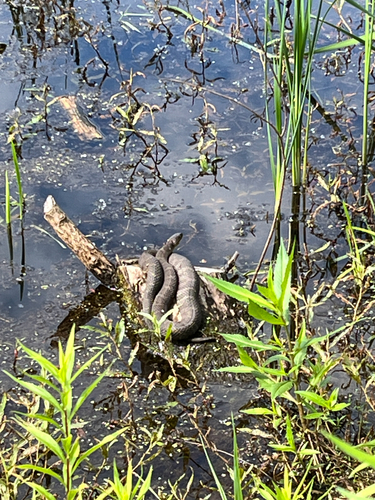
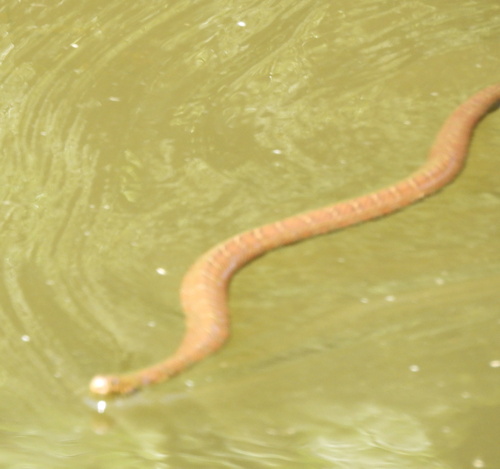
The Northern Water Snake is a great swimmer that loves to be near water! They are often seen basking on rocks.
Habitat: Wetlands and waterways
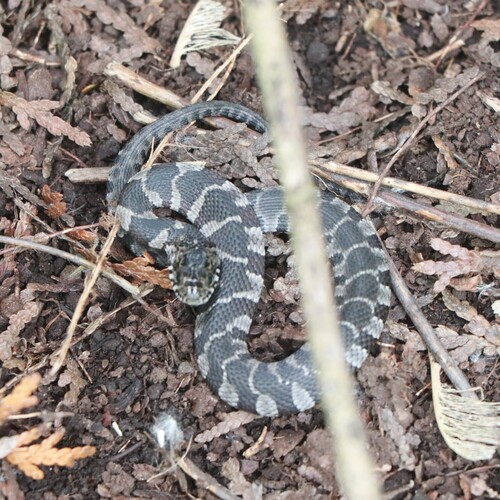
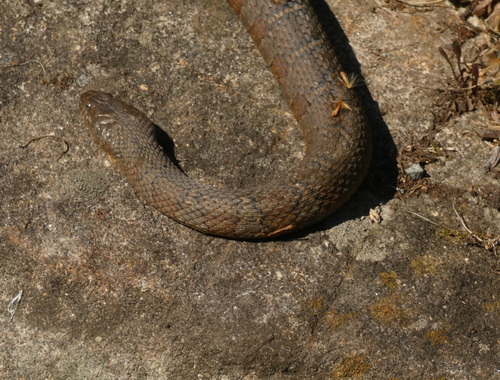
The Northern Water Snake is a medium-sized snake with a stout body, typically brown, gray, or reddish-brown, patterned with dark bands or blotches. These markings are wider on its back and narrower on its sides, often darkening to solid black as the snake ages, making it distinct from many other slender, uniformly colored snakes.
Category
ReptilesRarity
Common
Danger
2/5 · Low
Snaps
284
Northern Water Snakes often bask on logs or rocks to warm up in the sun.
These snakes are non-venomous but will bite defensively if they feel scared!
They can stay underwater for a long time, patiently waiting for a meal!
When threatened, they often play dead to trick predators into leaving them alone.
Northern Water Snake can swim swiftly and dive to catch fish and amphibians underwater with surprising agility.
Northern Water Snake releases a foul-smelling musk when threatened to deter predators, making itself unappetizing.
Northern Water Snake can flatten its head and body to appear larger and more intimidating, mimicking venomous snakes.
Northern Water Snake gives birth to live young, bypassing the need for external egg incubation or nesting.
They mainly feast on small fish and amphibians they catch in the water.
Age differences: Young snakes eat more invertebrates and small tadpoles, while adults primarily focus on fish and frogs.
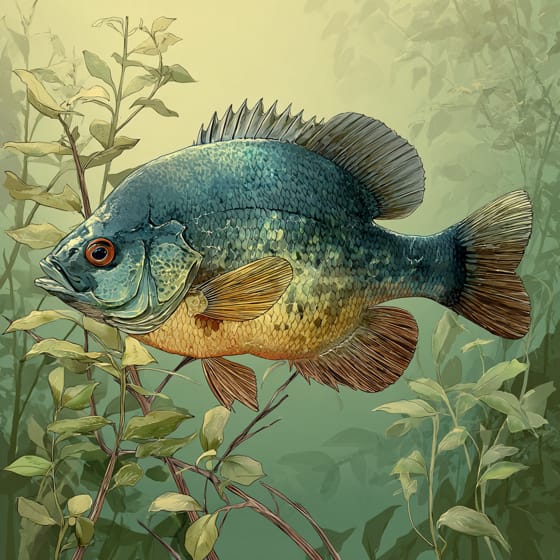
Lepomis macrochirus
Main prey item caught while swimming.
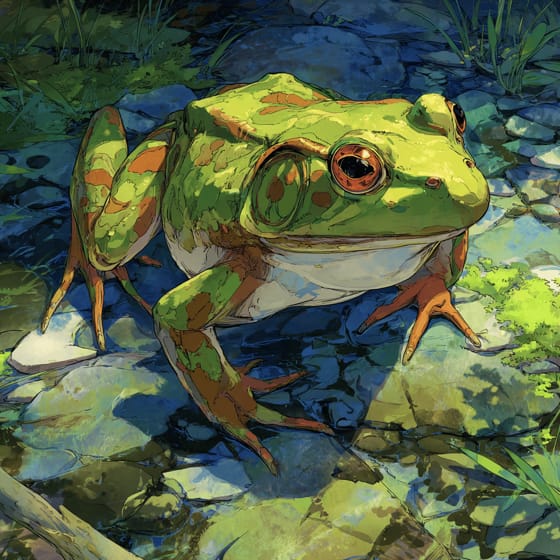
Lithobates catesbeianus
Adults and tadpoles are a common food source.
Chelydra serpentina
Young snakes can be prey for large turtles.
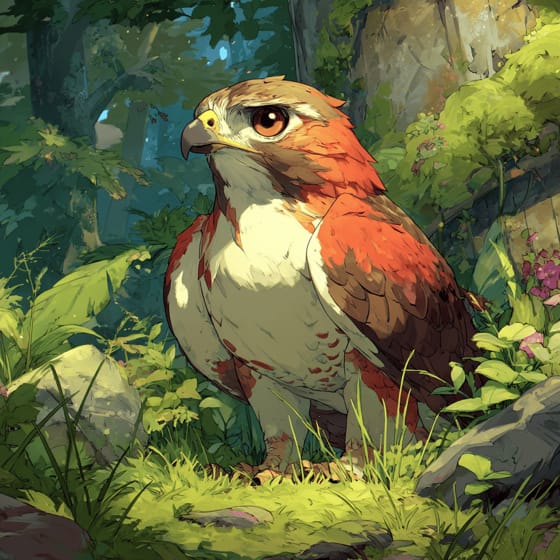
Buteo jamaicensis
Birds of prey snatch snakes from open areas.
Wildlife encompasses all undomesticated animal and plant life existing in their natural habitats.
Piscivorous organisms are animals that primarily subsist on a diet of fish.
Diurnal animals are primarily active during daylight hours, typically resting or sleeping at night.
Freshwater habitats include non-saline aquatic environments such as rivers, lakes, ponds, and wetlands, vital for numerous species.

Aquatic habitats encompass environments where organisms live predominantly in water, including oceans, rivers, lakes, and wetlands.
Danger
2/5 · Low
Look but don’t touch. Keep a safe distance and wash hands after exploring.
The easiest way to identify Northern Water Snake is to use the Snappit nature identifier app.
60-140 cm
0.15-0.5 kg
6-10 years
5 km/h
They mainly feast on small fish and amphibians they catch in the water.
3 km/h
Wetlands and waterways
Zoom in to split clusters and explore where this object has been snapped.
Jun 15, 2026
Miami Whitewater ForestPhoto attribution
(c) Sandra Keller, some rights reserved (CC BY)
License: CC BY 4.0 ↗
Image may be shown cropped inside the card frame.
Jun 6, 2026
East Windsor Hill Historic DistrictPhoto attribution
(c) Mark Apgar, some rights reserved (CC BY)
License: CC BY 4.0 ↗
Image may be shown cropped inside the card frame.
Jun 2, 2026
Aurora Highlands Historic DistrictPhoto attribution
(c) Steve Young, some rights reserved (CC BY)
License: CC BY 4.0 ↗
Image may be shown cropped inside the card frame.
Apr 11, 2026
Chanticleer GardenPhoto attribution
(c) Brian White, some rights reserved (CC BY)
License: CC BY 4.0 ↗
Image may be shown cropped inside the card frame.

Ohio, US
You might spot Eastern Fox Squirrel and Spotted Lanternfly.
View guide →
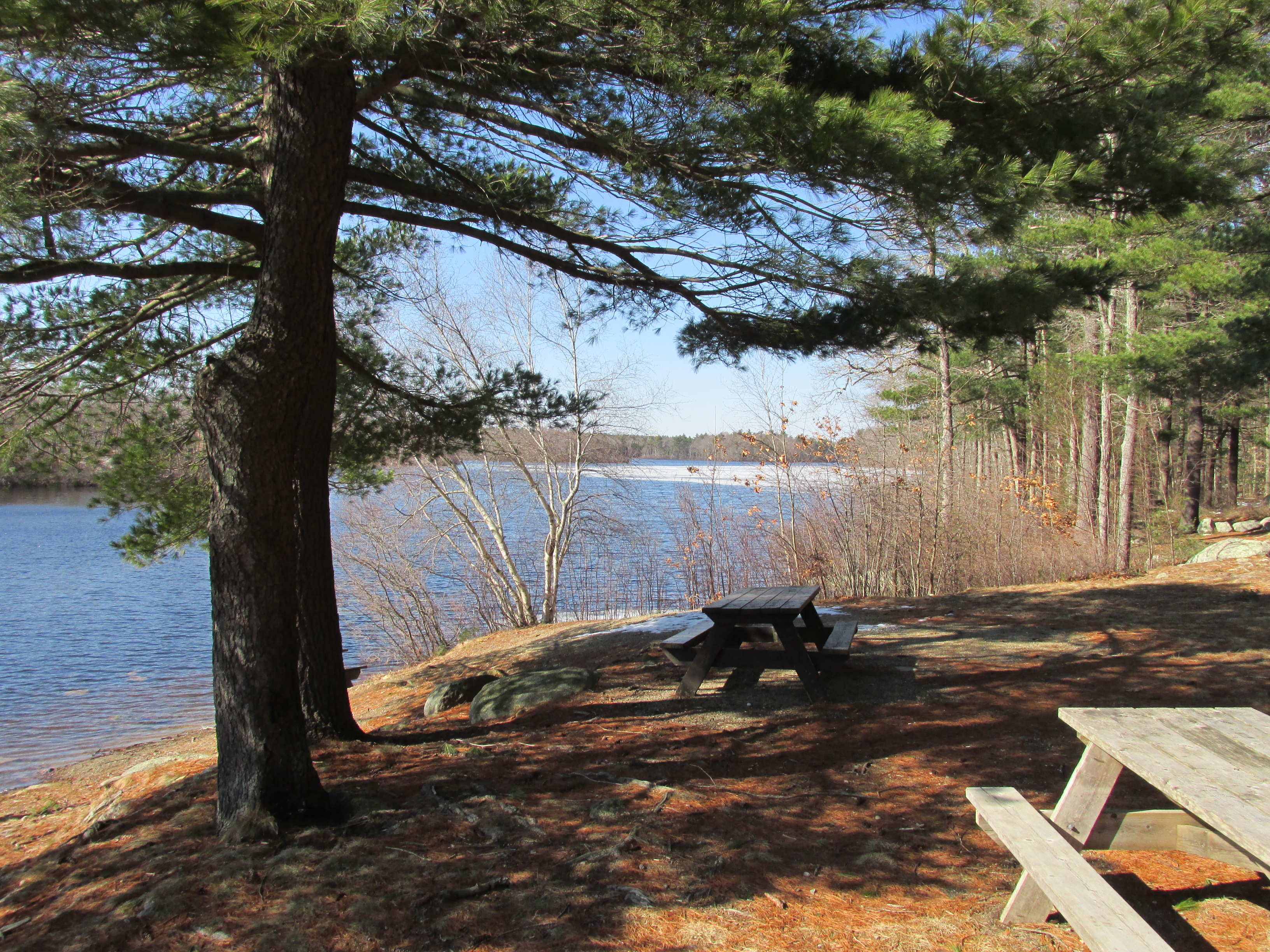
Massachusetts, US
You might spot Eastern White Pine and Common Eastern Bumble Bee.
View guide →

Pennsylvania, US
You might spot Mountain Laurel, Ghost Pipe, and Sweetfern.
View guide →

Arkansas, US
You might spot Eastern Gray Squirrel and Asian Lady Beetle.
View guide →
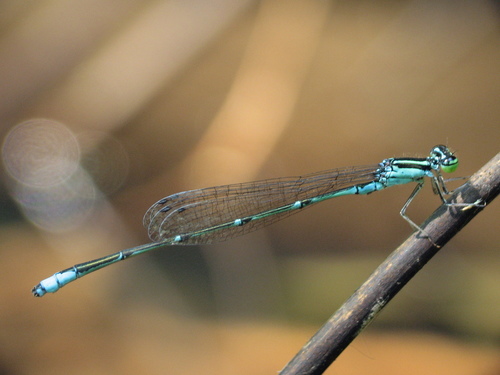
New York, US
You might spot Stream Bluet, Variable Dancer, and Eastern Pondhawk.
View guide →

District of Columbia, US
You might spot Eastern Gray Squirrel, Duck, and House Sparrow.
View guide →
Take the discovery with you
Snap it with Snappit to identify it, learn what makes it special, and add the discovery to your collection.