


Diamondback Terrapin
Malaclemys terrapin
The Diamondback Terrapin is a beautiful turtle with diamond-shaped patterns on its shell. They love to munch on crabs and clams!
Habitat: Coastal marshes
The Diamondback Terrapin has a distinctive, usually gray to brown, shell adorned with concentric ridges forming diamond-like patterns. Its skin is unique, ranging from gray to black with striking black spots, dashes, or swirls on its head and limbs, differentiating it from other turtles.
Category
ReptilesRarity
Common
Danger
2/5 · Low
Snaps
18
Each terrapin's shell pattern is unique, like a human fingerprint!
Terrapins got their name from an Algonquian word meaning 'little edible turtle'.
The warmth of the sand determines if a baby terrapin will be a boy or a girl.
They can hold their breath underwater for a very long time, up to several hours!
Diamondback Terrapin has special salt glands near its eyes that help it excrete excess salt, allowing it to thrive in coastal brackish waters.
Diamondback Terrapin can crush hard-shelled prey like crabs and clams because of its strong, muscular jaws and flat chewing surfaces.
Diamondback Terrapin has webbed feet and a streamlined shell that helps them glide efficiently through estuarine waters.
A true gourmet, terrapins feast on various coastal creatures like snails, crabs, and clams.

Procyon lotor
Preys on terrapin eggs and hatchlings.
Uca pugnax
A primary food source for adult terrapins.
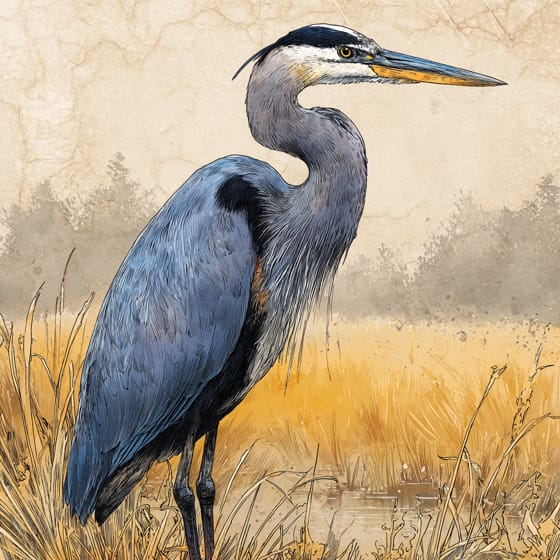
Ardea herodias
Predates on young, smaller terrapin juveniles.
Mercenaria mercenaria
Crushed and consumed by terrapins with strong jaws.
Characterized by having toes connected by a membrane, typically aiding in swimming.
Colorful describes organisms or objects displaying a wide range of bright and distinct colors.
Thermoregulating organisms maintain a stable internal body temperature despite fluctuations in the external environment.
This trait signifies organisms belonging to a very old evolutionary group with ancestors dating back millions of years.

Coastal habitats are dynamic environments located along the interface between land and sea, influenced by tides, waves, and saltwater.

This trait identifies organisms whose diet consists entirely or primarily of animal tissue.

This trait identifies organisms that exhibit exceptional swiftness in movement for hunting, escape, or travel.

Aquatic habitats encompass environments where organisms live predominantly in water, including oceans, rivers, lakes, and wetlands.

Nocturnal animals are primarily active during the nighttime hours, typically resting or sleeping during the day.
Danger
2/5 · Low
Look but don’t touch. Keep a safe distance and wash hands after exploring.
10-23 cm
0.1-1.5 kg
25-40 years
0.5 km/h
A true gourmet, terrapins feast on various coastal creatures like snails, crabs, and clams.
8 km/h
Coastal marshes
Foraging
Zoom in to split clusters and explore where this object has been snapped.

Pennsylvania, US
You might spot Red Fox, Western Barn Owl, and Jaguar.
View guide →

Delaware, US
You might spot Atlantic Horseshoe Crab and Laughing Gull.
View guide →

Maryland, US
You might spot Seaside Dragonlet and Laughing Gull.
View guide →
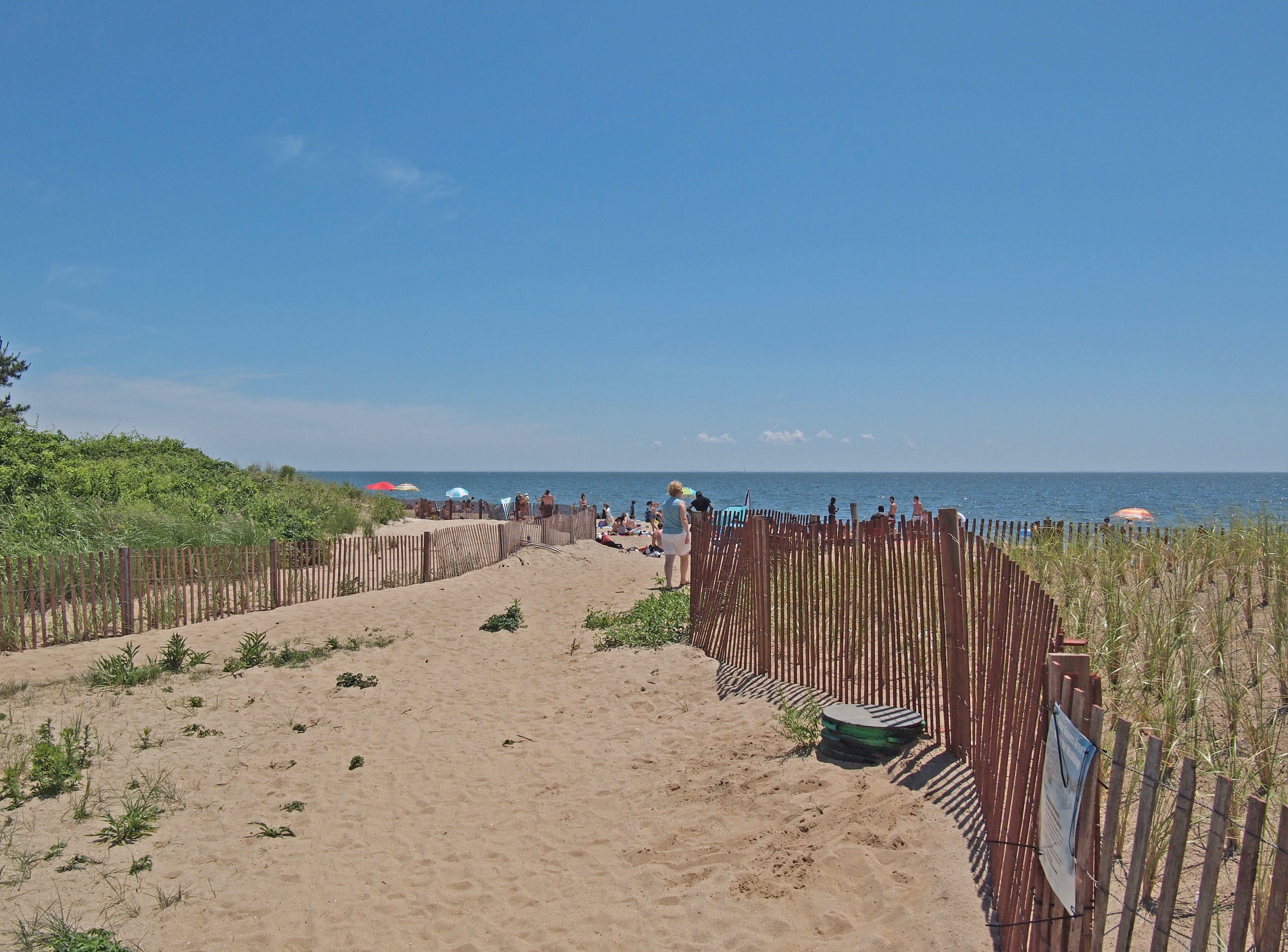
Connecticut, US
You might spot Wild Rose, American Herring Gull, and Osprey.
View guide →

Maryland, US
You might spot Domestic Horse, Sanderling, and Atlantic Ghost Crab.
View guide →