


California Kingsnake
Lampropeltis californiae
The California Kingsnake has a striking black and white pattern! They are great pets and very easy to care for.
Habitat: Deserts and grasslands
The California Kingsnake is a medium-sized, non-venomous snake known for its striking pattern of alternating black or brown and white or yellow bands that encircle its body. This distinct banding makes it easily recognizable among other snakes in its range.
Category
ReptilesRarity
Common
Danger
2/5 · Low
Snaps
1
Baby kingsnakes are born with their striking patterns, ready to hunt from day one!
Its 'king' name comes from its ability to eat other snakes, even venomous ones!
Kingsnakes sometimes vibrate their tails to mimic rattlesnakes, a clever trick to scare away danger.
They can sometimes change the darkness of their bands to help them blend in with their surroundings.
California Kingsnake can overpower prey by coiling tightly around them because its strong muscles help it constrict and subdue meals quickly.
California Kingsnake can sometimes vibrate its tail when threatened, mimicking the sound of a rattlesnake to scare off predators.
A carnivore, this snake dines on rodents, lizards, birds, and other snakes, including venomous ones!
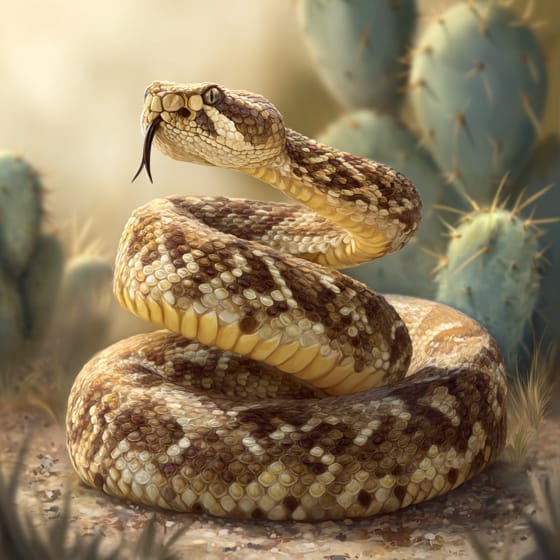
Crotalus atrox
Preys on venomous snakes, showing immunity to their venom.
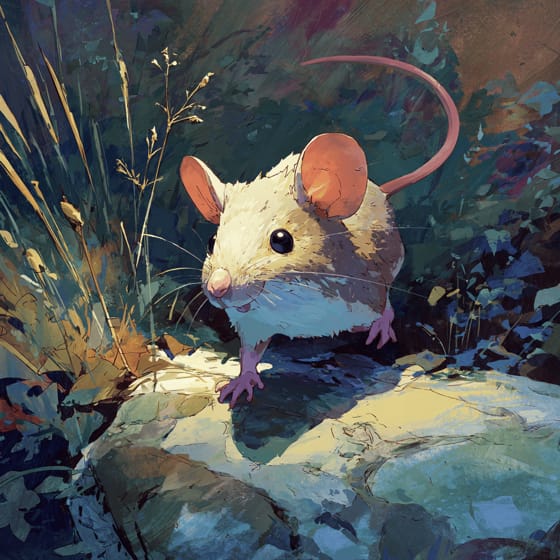
Mus musculus
Feeds on rodents, helping to control their populations.
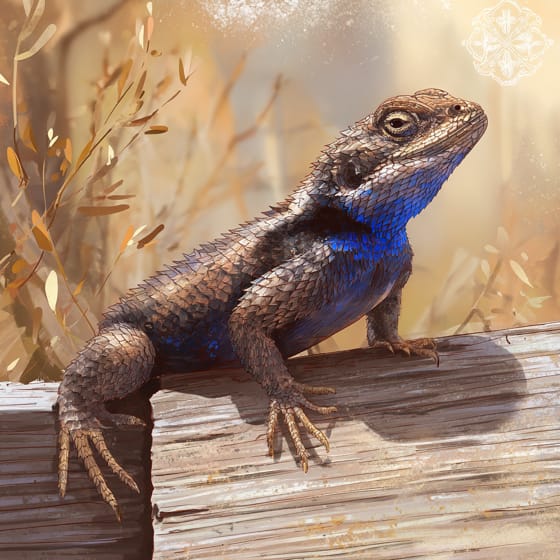
Sceloporus occidentalis
Consumes various lizards found in its habitat.
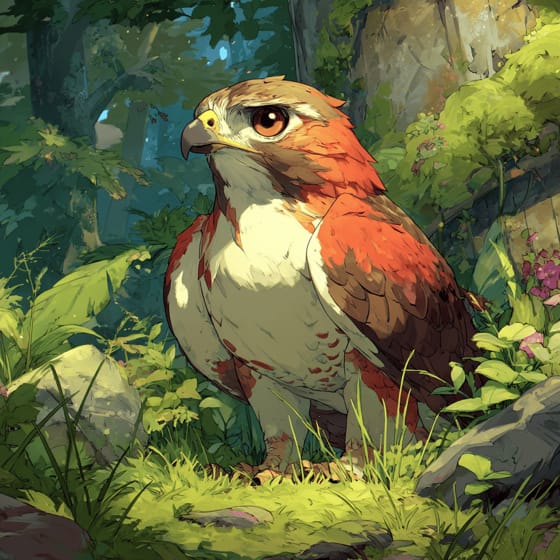
Buteo jamaicensis
Juvenile and adult snakes can be prey for raptors.
Wildlife encompasses all undomesticated animal and plant life existing in their natural habitats.
Marked with parallel bands or lines of color.
Desert habitats are arid regions characterized by extremely low precipitation and often extreme temperatures, supporting specialized flora and fauna.
This trait characterizes organisms with an exceptionally long lifespan compared to others of their kind.

This trait identifies organisms whose diet consists entirely or primarily of animal tissue.
Regenerative organisms possess the ability to regrow lost or damaged body parts, tissues, or organs.

Nocturnal animals are primarily active during the nighttime hours, typically resting or sleeping during the day.
Danger
2/5 · Low
Look but don’t touch. Keep a safe distance and wash hands after exploring.
75-150 cm
0.2-1.5 kg
15-20 years
5 km/h
A carnivore, this snake dines on rodents, lizards, birds, and other snakes, including venomous ones!
Deserts and grasslands
Ambush
6-12
Zoom in to split clusters and explore where this object has been snapped.