
African Elephant
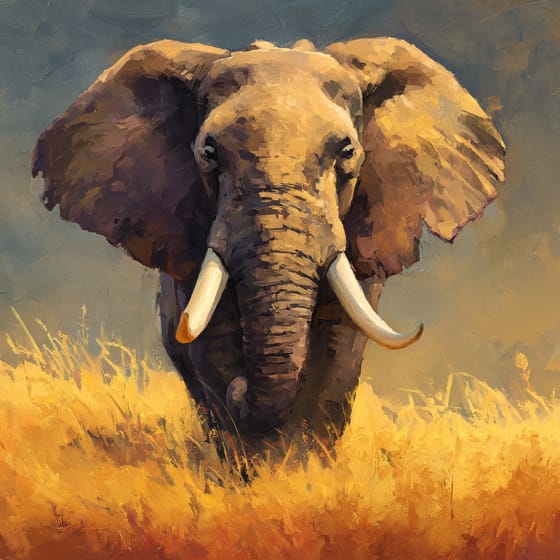
The San Diego Zoo Safari Park, nestled in the San Pasqual Valley of Southern California, offers an extraordinary journey into the heart of wild places around the globe.
The San Diego Zoo Safari Park, nestled in the San Pasqual Valley of Southern California, offers an extraordinary journey into the heart of wild places around the globe. This expansive 1,800-acre wildlife park is far more than a traditional zoo; it's an immersive conservation experience designed to transport visitors to diverse habitats where animals roam in vast, naturalistic environments. Imagine observing herds of giraffes, rhinos, and gazelles traversing open plains, or coming face-to-face with a Sumatran tiger through a dense bamboo forest. The park's commitment to wildlife health and conservation is evident in every corner, providing a powerful and engaging educational adventure for all ages.
A visit to the Safari Park is an opportunity to connect deeply with wildlife, experiencing the majesty of creatures from Africa, Asia, and beyond. Guests can embark on the popular Africa Tram, a guided expedition that winds through sprawling savannas, offering unparalleled views of diverse species coexisting. Beyond the tram, explore themed trails such as the captivating Tiger Trail, which provides close-up perspectives of these magnificent big cats, or the interactive Walkabout Australia, where kangaroos and wallabies roam freely. The newest addition, Elephant Valley, offers a transformative experience, allowing guests to observe African elephants in their meticulously designed habitat.
The park's unique design emphasizes spacious enclosures, allowing animals to exhibit natural behaviors, making every encounter feel authentic and impactful. With over 3,000 animals representing more than 400 species, alongside a botanical garden boasting over 1 million plants, the San Diego Zoo Safari Park is a living testament to biodiversity. It's a place where every visit supports vital conservation efforts, inspiring a lasting appreciation for the natural world and its incredible inhabitants. Wondering what that bird or insect is? Find out on your visit using the Snappit nature app.
The San Diego Zoo Safari Park, originally known as the "Wild Animal Park," opened its gates on May 10, 1972. It was envisioned by the San Diego Zoological Society in 1964 as a revolutionary concept: a large-scale breeding facility and naturalistic environment for expansive herds of ungulates and other large animals, differing significantly from the traditional caged zoo model. This innovative approach aimed to create a "Zoo of the Future" focused on species conservation, breeding, and providing ample space for natural behaviors. Over its more than five decades, the park, now operated by the San Diego Zoo Wildlife Alliance, has played a crucial role in global conservation, notably in the recovery efforts of the California condor and ongoing programs for rhinos and elephants.
Beyond the main exhibits, consider optional paid safaris like the Wildlife Safari (open-air truck tour), Behind-the-Scenes Safaris for closer animal encounters, or the adventurous Flightline Safari (zip-lining over the savannas). Don't miss keeper talks and animal encounters scheduled throughout the day. Feeding lorikeets and visiting the Petting Kraal are also popular activities.
Spring (March-May): Experience the colorful Butterfly Jungle in the Hidden Jungle aviary. October: Kids Go Free, offering discounted admission for children. Winter Holidays: The park may feature special holiday light experiences and extended hours. Animals are generally more active in the cooler morning hours, especially in warmer seasons.
The Safari Park is committed to accessibility, offering an ADA shuttle service that runs continuously between key locations due to the park's natural hills and valleys. Wheelchairs and electric scooters are available for rent, and many restrooms and safaris are wheelchair accessible. Guests with mobility difficulties can request an 'Easy Access Pass' for the Africa Tram to receive a return time, minimizing wait times. Accessible routes are marked on park maps, and the park welcomes service animals with specific guidelines.
A complimentary 25-minute guided expedition around the expansive African Savanna, offering panoramic views of diverse wildlife.
The park's newest and most transformative habitat, allowing guests to observe African elephants in a vast, savanna-style landscape.
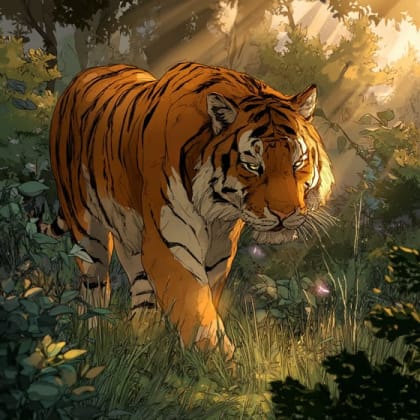
An immersive pathway through a bamboo forest, leading to close-up views of Sumatran tigers.
A unique experience featuring free-roaming kangaroos and wallabies, and the rare opportunity to see a platypus, the only one outside of Australia.
Each card links to a full Explore page with photos, traits, and fun facts.
Start with the big picture, then zoom in to explore individual wildlife observations around this place.
Arrive Early
Get to the park right at opening (9 AM) to beat the crowds, enjoy cooler temperatures, and see animals at their most active.
Wear Comfortable Shoes and Layers
The park is expansive and hilly, requiring a lot of walking. Dress in layers as temperatures can vary throughout the day in Escondido, which is inland.
Download the Park App
Utilize the San Diego Zoo Safari Park app for a GPS-enabled map, daily schedules, and to plan your route efficiently.
Bring Water and Snacks
Stay hydrated, especially on warm days. While food is available for purchase, bringing your own water and snacks can save money.
Prioritize the Africa Tram
Head to the Africa Tram early in your visit as lines can build up significantly later in the day. Sitting on the left side often offers better views of giraffes.
Consider a Specialized Safari
For a more in-depth or unique experience, look into one of the park's paid safaris, such as the Wildlife Safari or a Behind-the-Scenes option, for closer encounters.
Mar 1, 2026
Mar 1, 2026
Mar 1, 2026
Feb 28, 2026
Feb 28, 2026

Michigan, US
You might spot African Lion, Komodo Dragon, and Brown Bear.
View guide →
.jpg)
Municipal District of Cobh, IE
You might spot Ring-Tailed Lemur, Giraffes, and Cheetahs.
View guide →

Nouvelle-Aquitaine, FR
You might spot Greater Flamingo, Giraffes, and Red Panda.
View guide →

Texas, US
You might spot Giraffes, African Lion, and Eastern Black Rhinoceros.
View guide →
Take the discovery with you
Identify the wildlife you spot, learn as you go, and keep a collection of the adventure.