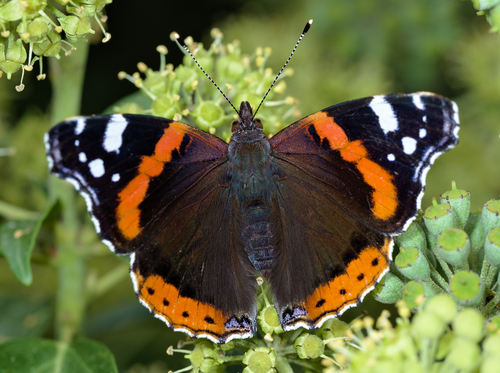



Smooth Newt
Lissotriton punctatus
The Smooth Newt is a gentle little swimmer with smooth skin. They love to soak in ponds and are great at catching food!
Habitat: Ponds and marshes
The Smooth Newt is typically brown or olive-green with a paler, often yellow-orange, underside adorned with distinct dark spots. During breeding, males develop a prominent wavy crest along their back and tail, making them visually different from females and other newts.
Category
AmphibiansRarity
Common
Danger
2/5 · Low
Snaps
Be the first to snap!
Each egg is carefully folded into a plant leaf underwater for protection!
Males 'dance' underwater during spring to attract a mate!
They can change their skin colour slightly to blend in with their surroundings!
They spend winters hibernating under logs, stones, or buried in soil!
Smooth Newt can regrow lost limbs, tails, jaws, and even eyes because of special stem cells that help them recover from injury.
Smooth Newt has mildly toxic skin secretions that helps them deter most predators from eating them.
Smooth Newt can breathe through its skin underwater because it's permeable, helping them absorb oxygen directly from water.
Smooth Newt larvae live in water with gills, but adults grow lungs and live on land, helping them adapt to different environments.
Tiny hunters, they feast on small creatures like insects and worms both on land and in water.
Age differences: Larvae eat tiny water creatures like zooplankton, while adults hunt larger insects and worms.
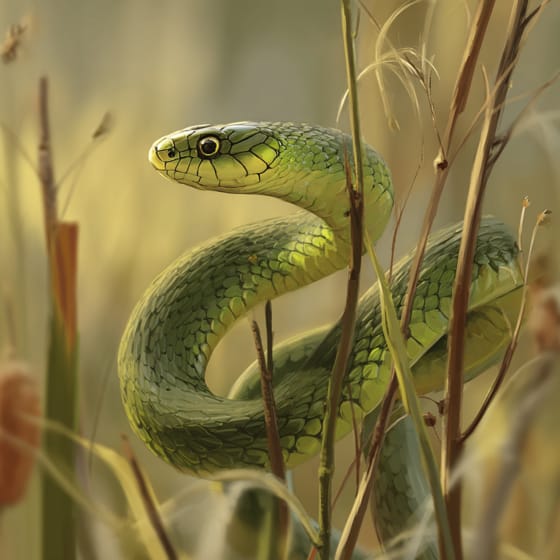
Natrix helvetica
A common predator in their habitat.
Turdus merula
Adult newts are sometimes preyed upon.
Dytiscus marginalis
Larvae of newts are eaten by these beetles.
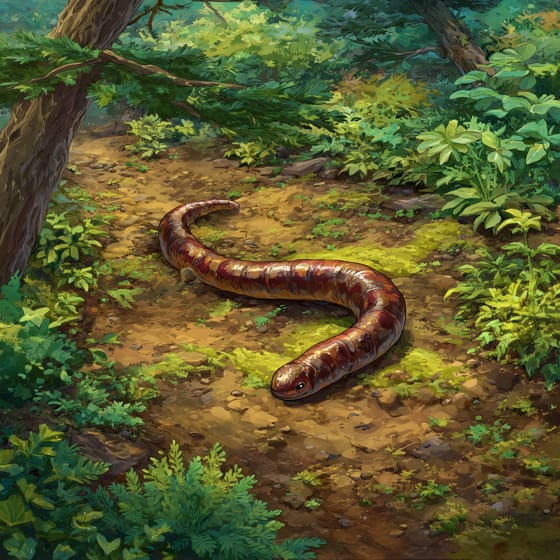
Lumbricus terrestris
A staple food for adult newts on land.
Wildlife encompasses all undomesticated animal and plant life existing in their natural habitats.
Characterized by having toes connected by a membrane, typically aiding in swimming.
This trait identifies organisms whose diet primarily consists of insects and other small invertebrates.
Freshwater habitats include non-saline aquatic environments such as rivers, lakes, ponds, and wetlands, vital for numerous species.

Nocturnal animals are primarily active during the nighttime hours, typically resting or sleeping during the day.
Danger
2/5 · Low
Look but don’t touch. Keep a safe distance and wash hands after exploring.
8-11 cm
0.001-0.005 kg
2-6 years
0.5 km/h
Tiny hunters, they feast on small creatures like insects and worms both on land and in water.
Ponds and marshes
Foraging
100-400
Zoom in to split clusters and explore where this object has been snapped.
Recent snaps will appear here as new observations are added.