





European Common Frog
Rana temporaria
The European Common Frog is a friendly frog found in gardens and fields! They love to hop around and catch bugs.
Habitat: Gardens, fields, and ponds
The European Common Frog is typically brown, olive-green, or grey, often with darker blotches and a distinctive dark 'mask' behind its eyes. It has smooth skin and lacks prominent warts, differentiating it from toads.
Category
AmphibiansRarity
Common
Danger
2/5 · Low
Snaps
5
A group of frogs can be called an army or even a knot! Wow!
Frogs don't drink water; they absorb it right through their permeable skin!
In winter, they hibernate at the bottom of ponds, even under the ice!
They shed their skin regularly and often eat it afterwards for extra nutrients!
European Common Frog can blend seamlessly with its environment because of its varied skin patterns and earthy colors that help them hide from predators.
European Common Frog can snatch flying insects with its long, sticky tongue that extends quickly to catch prey.
European Common Frog can breathe through its skin underwater, allowing it to stay submerged for long periods to hide or hibernate.
European Common Frog has powerful hind legs that help them jump impressive distances to escape danger or catch food.
These frogs are predators, eating mostly small invertebrates they find on land or near water.
Age differences: Tadpoles eat algae and plant matter, while adult frogs eat insects and small invertebrates.
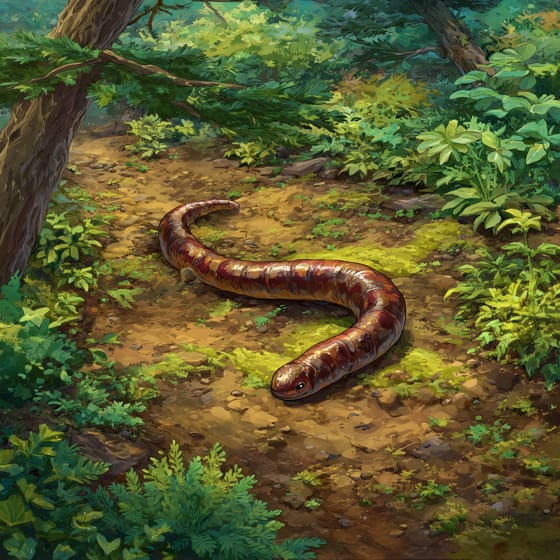
Lumbricus terrestris
A primary food source found in soil.
Arion rufus
Common prey in damp environments.
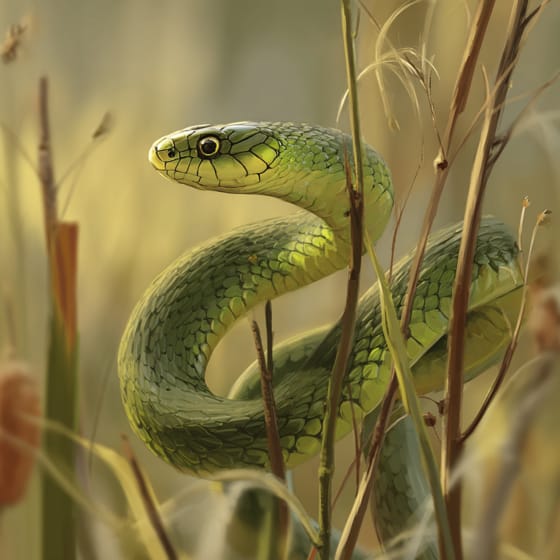
Natrix natrix
A common predator in their habitat.
.jpg&width=800)
Ardea cinerea
Large bird preys on frogs near water.
Wildlife encompasses all undomesticated animal and plant life existing in their natural habitats.
Camouflaged describes organisms that possess coloring or patterns that allow them to blend into their environment.
This trait identifies organisms whose diet primarily consists of insects and other small invertebrates.
Hibernating animals enter a state of metabolic depression during cold periods or when food is scarce, characterized by reduced body temperature and activity.

Freshwater habitats include non-saline aquatic environments such as rivers, lakes, ponds, and wetlands, vital for numerous species.

Describes a species whose presence and role have a disproportionately large effect on its environment.

Nocturnal animals are primarily active during the nighttime hours, typically resting or sleeping during the day.
Danger
2/5 · Low
Look but don’t touch. Keep a safe distance and wash hands after exploring.
The easiest way to identify European Common Frog is to use the Snappit nature identifier app.
6-10 cm
0.02-0.08 kg
6-10 years
10 km/h
These frogs are predators, eating mostly small invertebrates they find on land or near water.
Gardens, fields, and ponds
Ambush
Zoom in to split clusters and explore where this object has been snapped.

Hainaut, BE
You might spot Giant Panda, Polar Bear, and Tiger.
View guide →

England, UK
You might spot African Elephant, Gorilla, and Tiger.
View guide →

England, UK
You might spot Carpathian Lynx, Deer, and Visayan Warty Pig.
View guide →

England, UK
You might spot Chimpanzee, Bornean Orangutan, and Sumatran Orangutan.
View guide →

Bern, CH
You might spot Brown Bear, Cat, and Bears.
View guide →
Take the discovery with you
Snap it with Snappit to identify it, learn what makes it special, and add the discovery to your collection.









.JPG&width=800)



.jpg&width=800)
