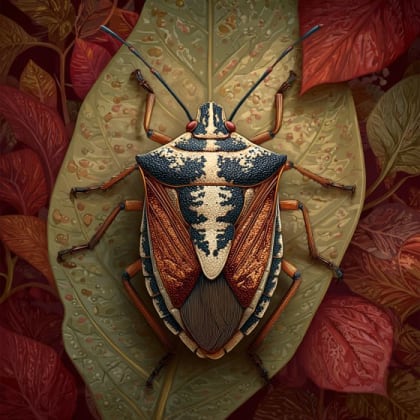
Horsefly
Tabanus spp.
The Horsefly is a big fly that can give a sharp bite! They are usually found near water and fields.
Habitat: Fields, near water, and forests
The Horsefly is a robust, dark-bodied fly with very large, often iridescent eyes that meet on top of the head in males. Its wings are clear or slightly smoky, and its short antennae help distinguish it from other large flies. It often has a broad, flattened abdomen.
Category
InsectsRarity
Common
Danger
2/5 · Low
Snaps
Be the first to snap!
A horsefly's bite feels more like a sharp cut than a simple prick.
Only female horseflies bite; males prefer plant nectar!
Some horsefly species are among the fastest flying insects!
Their larvae live underwater or in damp soil, eating other insects.
Horseflies have enormous compound eyes that help them spot movement and detect warm-blooded hosts from a distance.
Female horseflies have razor-sharp mouthparts that can slice skin and a numbing saliva, allowing them to bite almost undetected.
Female horseflies can drink several times their body weight in blood, which provides protein for laying eggs.
Female horseflies feast on blood, while males enjoy sweet nectar from flowers.
Age differences: Larvae are predatory, feeding on small invertebrates in soil or water. Adults feed on blood (females) or nectar (males).
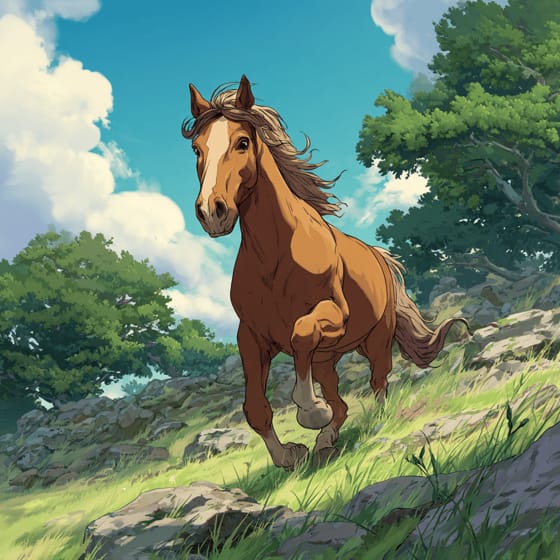
Equus caballus
Females bite horses for blood meals.
Bos taurus
Females bite cattle to obtain blood for egg production.
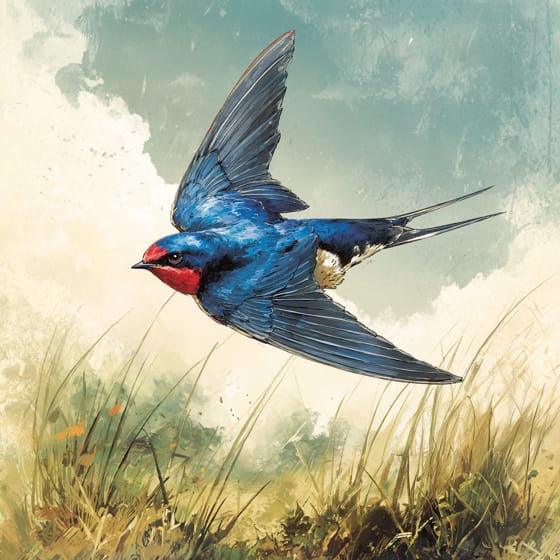
Hirundo rustica
Adult horseflies are prey for various insectivorous birds.
Lithobates catesbeianus
Frogs often consume horseflies found near water.
Wildlife encompasses all undomesticated animal and plant life existing in their natural habitats.
This trait identifies organisms whose diet includes both plant and animal matter.
Forest habitats are terrestrial environments dominated by dense tree cover, supporting a high diversity of plant and animal life.
This habitat trait identifies species found in wetlands, which are areas of land saturated with water, either permanently or seasonally, including marshes, swamps, and bogs.

Diurnal animals are primarily active during daylight hours, typically resting or sleeping at night.

Venomous organisms produce toxins that are injected into another animal, typically through a bite or sting.

Describes organisms that transfer pollen, enabling the fertilization and reproduction of plants.
Danger
2/5 · Low
Do not touch or pick up. Some insects sting or bite. Ask an adult for help.
25-60 mm
10-30 mm
30-60 days
24 km/h
Female horseflies feast on blood, while males enjoy sweet nectar from flowers.
Fields, near water, and forests
Pursuit
6
Zoom in to split clusters and explore where this object has been snapped.
Recent snaps will appear here as new observations are added.