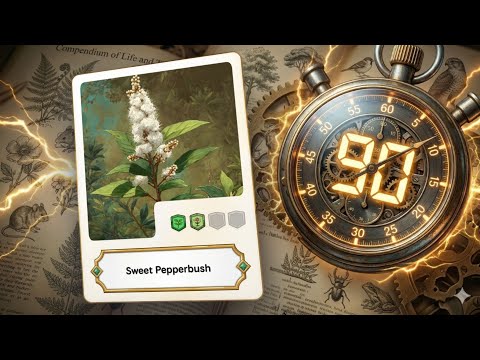
Sweet Pepperbush
Clethra alnifolia
Sweet Pepperbush is a lovely shrub that grows in wet places. It has fluffy white flowers that smell sweet and attract butterflies and bees. This plant is great for gardens and helps nature!
Habitat: Wetlands
The Sweet Pepperbush has upright clusters of small, intensely fragrant white or pale pink flowers, resembling bottle brushes. Its glossy green leaves turn a vibrant golden-yellow in autumn, standing out in moist woodland edges.
Category
PlantsRarity
Common
Danger
1/5 · Very low
Snaps
18
Even its dry seed capsules rattle in winter, making tiny musical sounds when wind blows!
Its flowers are often called 'Summer Sweet' because they bloom later than most fragrant shrubs!
Some say its scent reminds them of cloves or cinnamon, truly a unique perfume!
This plant can live for many decades, becoming a long-standing fixture in its forest home!
Sweet Pepperbush can release a powerful, sweet scent that guides busy bees and butterflies to its nectar-rich flowers for pollination.
Sweet Pepperbush can thrive in damp, boggy soils, unlike many plants, using roots that tolerate low oxygen conditions.
Sweet Pepperbush has rhizomes that allow it to spread and form dense thickets, providing excellent cover for small animals.
Apis mellifera
gathers nectar and pollen
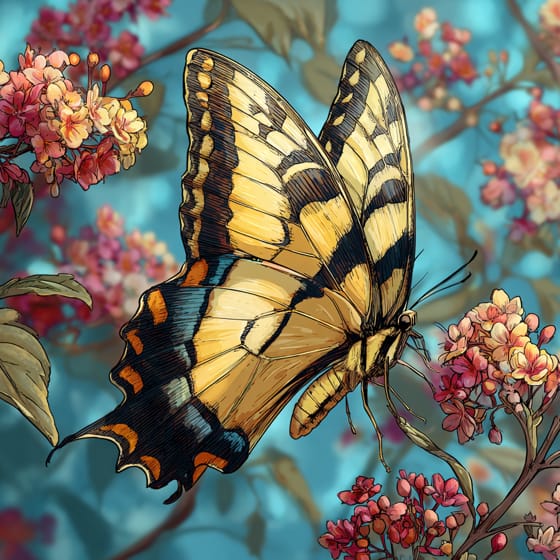
Papilio glaucus
sips nectar from its flowers

Odocoileus virginianus
browses on its twigs and foliage
Aromatic plants produce and emit fragrant volatile organic compounds, often for defense or to attract pollinators.
Deciduous plants periodically shed all their leaves, typically during autumn or dry seasons.
Flowering plants are any plants that produce flowers as part of their reproductive cycle.
A shrub is a woody plant smaller than a tree, typically with multiple stems branching from or near the ground.

Fragrant flowers emit a pleasant aroma, often to attract pollinators or for defense.

Fall color refers to the seasonal change in foliage pigmentation, primarily in deciduous plants, displaying vibrant hues.

Describes plants that are particularly attractive and beneficial to a wide range of pollinating organisms.

This habitat trait identifies species found in wetlands, which are areas of land saturated with water, either permanently or seasonally, including marshes, swamps, and bogs.
Danger
1/5 · Very low
Always look but don't touch plants unless an adult says it's okay.
150-300 cm
150-300 cm
0.5-1 cm
Summer
No
None
Perennial
Insect
Zoom in to split clusters and explore where this object has been snapped.
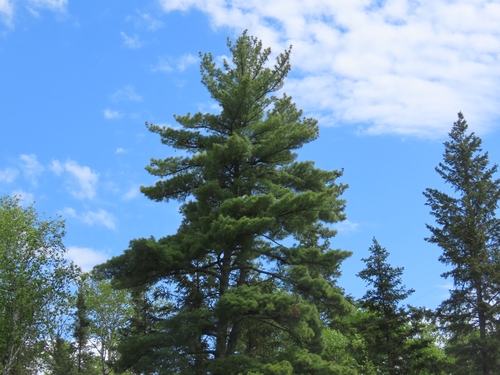
Connecticut, US
You might spot Eastern White Pine, Eastern Hemlock, and Mountain Laurel.
View guide →
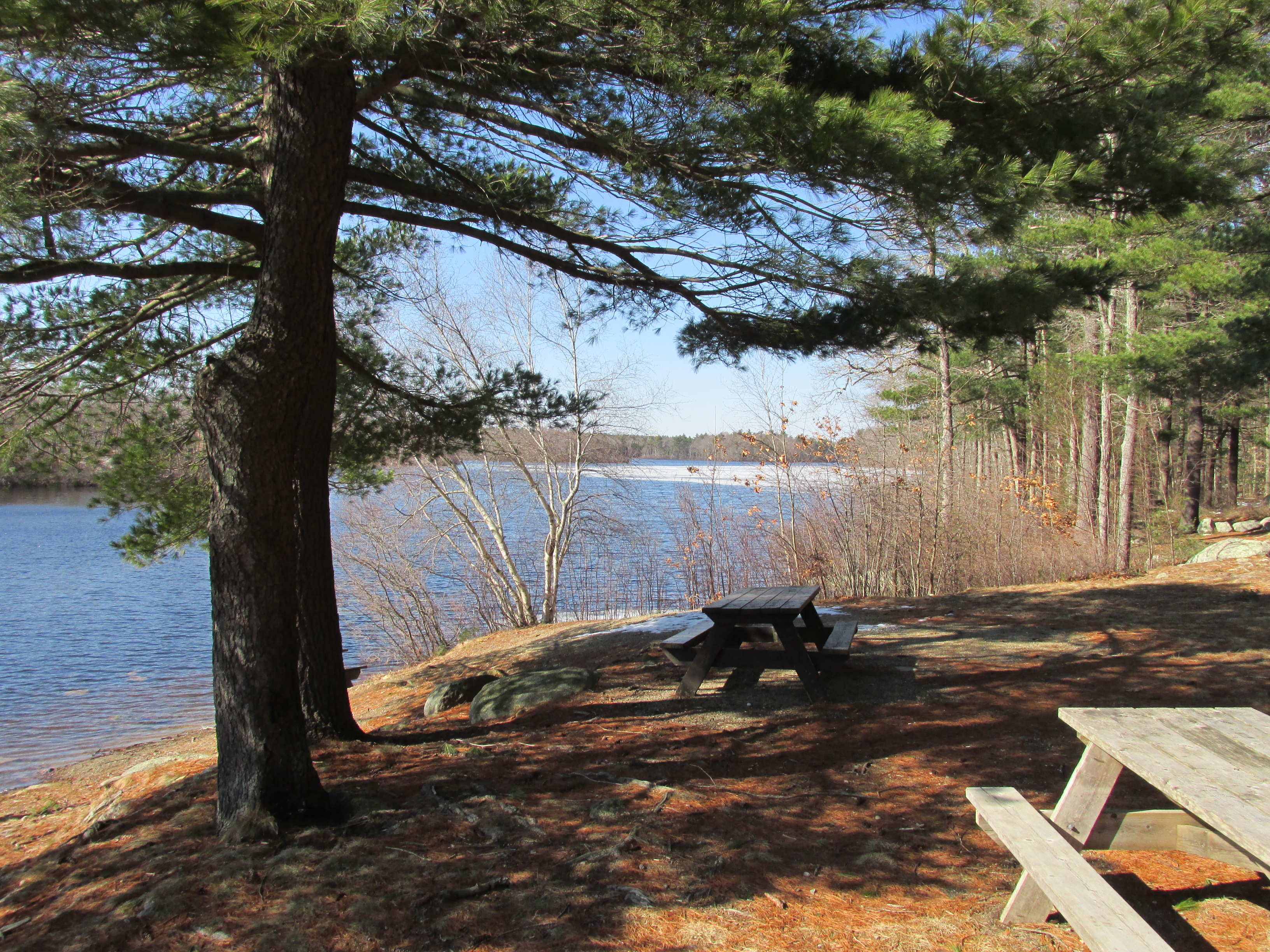
Massachusetts, US
You might spot Canada Goose, Common Watersnake, and Mute Swan.
View guide →

Maryland, US
You might spot Common Pawpaw, Zebra Swallowtail, and Bald Eagle.
View guide →
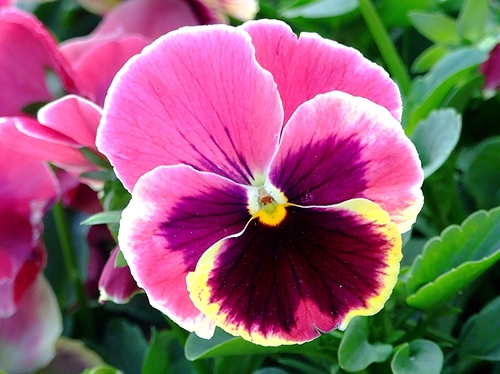
Delaware, US
You might spot Garden Pansy, Southern Magnolia, and Low Pricklypear.
View guide →

North Carolina, US
You might spot American Turkey Oak, Longleaf Pine, and Spiny Spikemoss.
View guide →