


Oats
Avena sativa
Oats are a type of grass that grow tall and produce fluffy seeds. They are often used for breakfast in oatmeal and granola!
Habitat: Farms and fields
The Oats has tall, slender green stalks that sway in the wind. Its unique drooping seed heads, called panicles, hang gracefully, turning golden-brown as they ripen. This gives it a distinct feathery appearance compared to other cereal grains.
Category
PlantsRarity
Common
Danger
1/5 · Very low
Snaps
Be the first to snap!
Oats have been grown for thousands of years, even before wheat was popular!
Oats were once thought to be a weed that grew with other important grains!
Some farmers plant oats to keep weeds away from their main crops!
The fuzzy husk is removed from oats to make the rolled oats you eat!
Oats can grow quickly, covering soil to prevent erosion and add nutrients back into the earth.
Oats can tolerate cooler temperatures, allowing them to thrive and grow where other grains might struggle.
Oats can absorb leftover nutrients in the soil, helping to improve soil health for future crops.
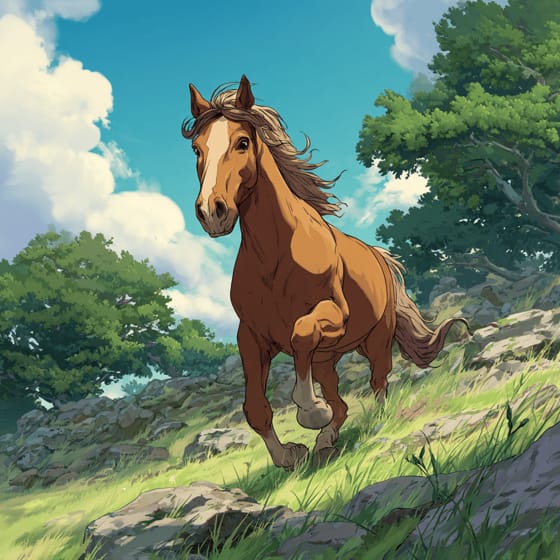
Equus caballus
Horses eat the grain and straw for food.
Homo sapiens
Humans process oats into many edible products.
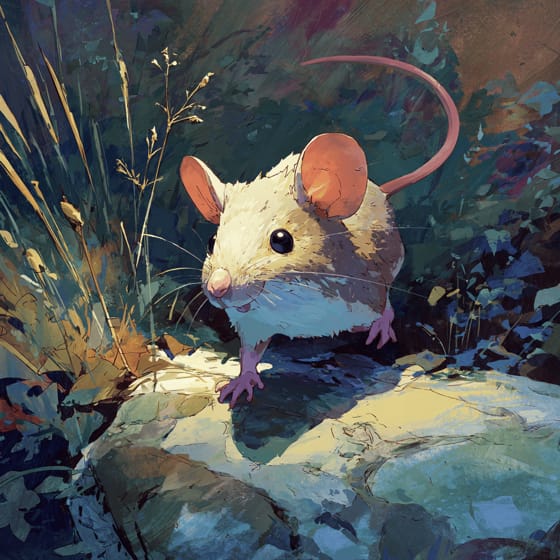
Mus musculus
Mice often feed on dropped oat seeds in fields.
Anas platyrhynchos
Ducks sometimes forage for oat seeds in fields.
Spring blooming plants produce their flowers during the spring season, often signifying the end of winter and the start of new growth.
This human use trait denotes species cultivated as grain crops, harvested for their edible dry seeds (grains), which are a staple food source.
Edible plants are those parts of a plant that are considered safe for human consumption.
Grassland habitats are terrestrial biomes dominated by grasses and herbaceous plants, supporting a variety of grazing animals.

Rapid growing plants exhibit accelerated growth rates, quickly increasing in size and biomass within a short period.
Danger
1/5 · Very low
Explore with care and ask an adult if you’re unsure what to do.
60-150 cm
15-30 cm
0.5-1.5 cm
Summer
Yes
None
Annual
Wind
Zoom in to split clusters and explore where this object has been snapped.
Recent snaps will appear here as new observations are added.