


Yellow-bellied Slider
Trachemys scripta scripta
The Yellow-bellied Slider is a friendly turtle with a bright yellow belly! They love to slide off logs into the water.
Habitat: Ponds and lakes
The Yellow-bellied Slider has a smooth, olive-green to brown shell with a distinct yellow or orange stripe behind each eye, extending down its neck. Its underbelly (plastron) is bright yellow with two dark spots at the front and sometimes more spots along the edges, setting it apart from other similar turtles.
Category
ReptilesRarity
Common
Danger
2/5 · Low
Snaps
3
Female sliders lay their eggs in nests dug on land.
Their shell grows rings, like a tree, showing their age.
These turtles can spend winter sleeping at the bottom of a pond.
They can smell predators from surprisingly far away!
Yellow-bellied Sliders have a hard, dome-shaped shell that helps them stay safe from predators by retracting their head and limbs inside.
Yellow-bellied Sliders can bask in the sun for hours, which helps them regulate their body temperature and digest their food efficiently.
Yellow-bellied Sliders can absorb oxygen through their skin and throat, allowing them to stay submerged for longer periods.
These turtles eat a varied diet of plants and small creatures they find in the water.
Age differences: Young sliders are more carnivorous, eating insects and tadpoles, while adults eat more aquatic plants.
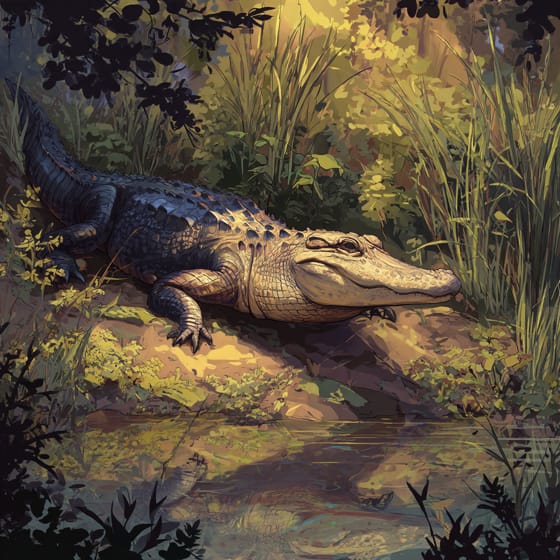
Alligator mississippiensis
Adult sliders can be prey for large alligators.

Procyon lotor
Raccoons often raid turtle nests for eggs and prey on hatchlings.
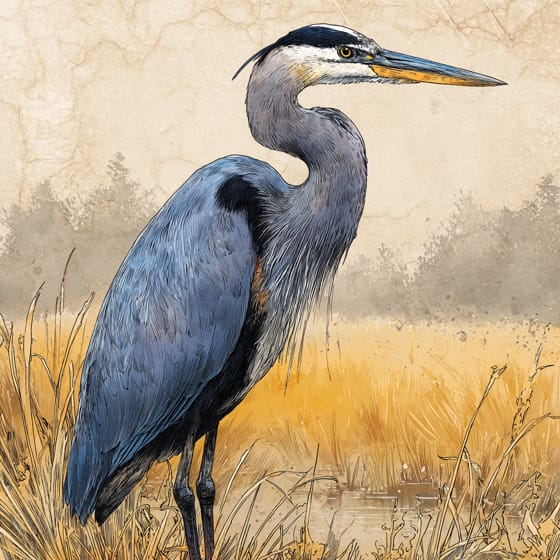
Ardea herodias
Herons may catch young sliders or hatchlings in shallow water.
Chironomus plumosus
Young sliders eat various aquatic insect larvae, including midge larvae.
Lemna minor
Adult sliders consume aquatic plants like duckweed.
Wildlife encompasses all undomesticated animal and plant life existing in their natural habitats.
Characterized by having toes connected by a membrane, typically aiding in swimming.
Social animals live in organized groups, cooperating for survival benefits such as foraging, defense, and raising offspring.
This trait characterizes organisms whose diet consists entirely or primarily of plant material.

Diurnal animals are primarily active during daylight hours, typically resting or sleeping at night.

Freshwater habitats include non-saline aquatic environments such as rivers, lakes, ponds, and wetlands, vital for numerous species.

Aquatic habitats encompass environments where organisms live predominantly in water, including oceans, rivers, lakes, and wetlands.
Danger
2/5 · Low
Look but don’t touch. Keep a safe distance and wash hands after exploring.
12.5-30 cm
0.5-2.5 kg
20-30 years
1 km/h
These turtles eat a varied diet of plants and small creatures they find in the water.
5 km/h
Ponds and lakes
Foraging
Zoom in to split clusters and explore where this object has been snapped.

North Carolina, US
You might spot African Lion, Giraffes, and Common Ostrich.
View guide →

Alabama, US
You might spot Baja California Rat Snake and Blue-Faced Honeyeater.
View guide →
Florida, US
View guide →