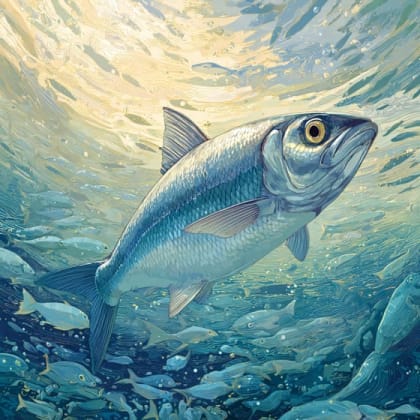


Atlantic Cod
Gadus morhua
Atlantic Cod are large, strong fish that live in the ocean. They have a light-colored body with dark spots and are popular among fishermen.
Habitat: Cold ocean waters
The Atlantic Cod is a medium-sized fish, typically olive-green to brown with distinct spots and a white belly. It has a prominent pale lateral line and a unique whisker-like barbel on its chin, which helps distinguish it.
Category
FishRarity
Common
Danger
2/5 · Low
Snaps
Be the first to snap!
Atlantic Cod have been found living in the ocean at depths greater than 2,000 feet!
Cod can make grunting and drumming sounds using special muscles in their body!
Some Atlantic Cod migrate thousands of miles to find food or places to lay eggs!
Their big liver is full of healthy oils, making cod liver oil famous worldwide!
Atlantic Cod has a sensitive barbel (a chin whisker) that helps them sniff out tasty treats on the dark ocean floor.
Atlantic Cod can slightly change their spotted skin color to blend in perfectly with sandy or rocky seabed environments.
Atlantic Cod can lay millions of tiny eggs each year, helping to ensure there are always new cod in the ocean.
Atlantic Cod are hungry predators, eating lots of smaller fish and shellfish found on the ocean floor.
Age differences: Young cod eat small crustaceans, then larger invertebrates, finally mostly fish as adults.
Mallotus villosus
A key prey species for adult cod.
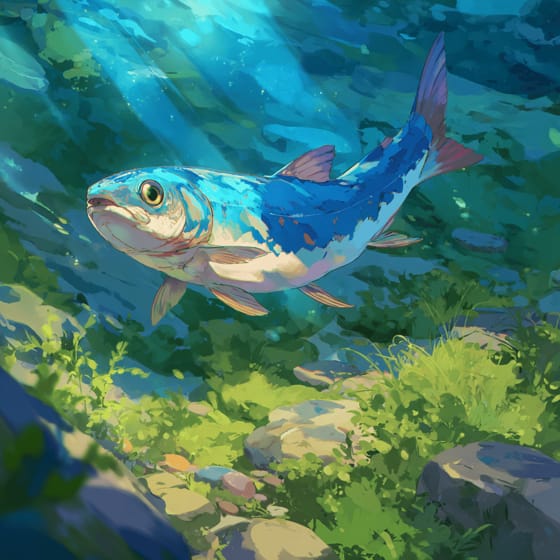
Clupea harengus
An important food source for larger cod.
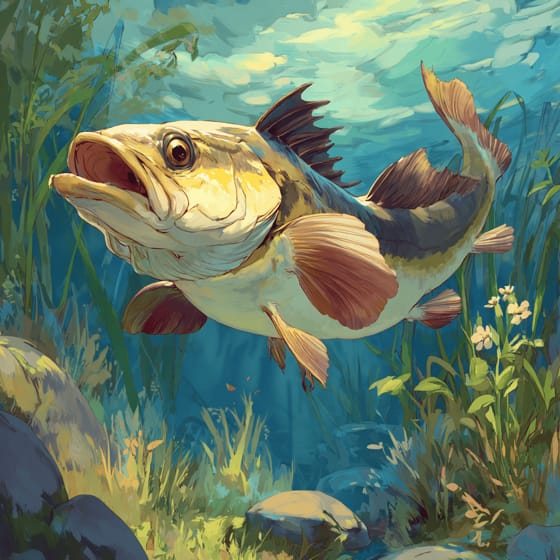
Melanogrammus aeglefinus
Cod are known to prey on smaller haddock.
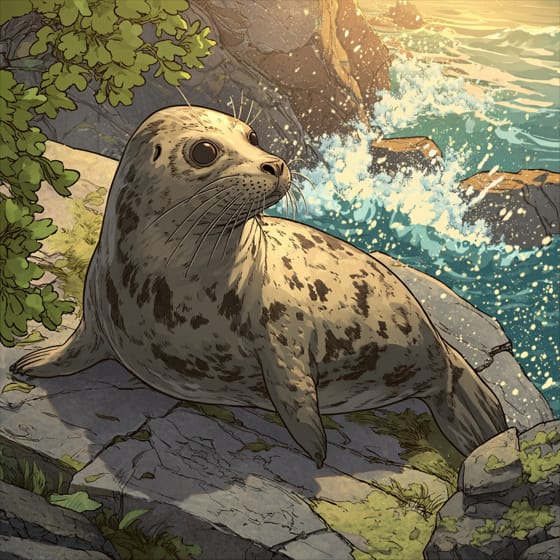
Phoca vitulina
Seals prey on adult and juvenile cod.
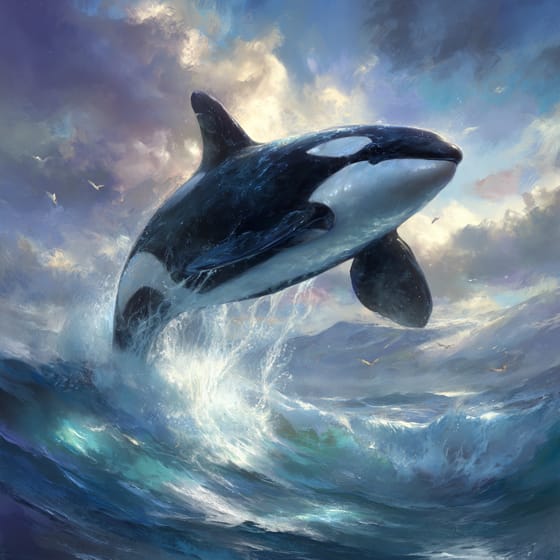
Orcinus orca
Orcas are apex predators that eat large fish like cod.
Wildlife encompasses all undomesticated animal and plant life existing in their natural habitats.
Piscivorous organisms are animals that primarily subsist on a diet of fish.
Thermoregulating organisms maintain a stable internal body temperature despite fluctuations in the external environment.
This trait signifies organisms belonging to a very old evolutionary group with ancestors dating back millions of years.

This trait characterizes organisms with an exceptionally long lifespan compared to others of their kind.

Aquatic habitats encompass environments where organisms live predominantly in water, including oceans, rivers, lakes, and wetlands.

Marine habitats encompass all saltwater environments of the Earth's oceans, supporting an immense diversity of aquatic life.

Migratory animals undertake seasonal movements from one region to another, typically in response to changes in climate or food availability.
Danger
2/5 · Low
Watch quietly from a distance and never try to feed or chase wild animals.
50-200 cm
5-96 kg
10-25 years
Atlantic Cod are hungry predators, eating lots of smaller fish and shellfish found on the ocean floor.
25 km/h
Cold ocean waters
Foraging
600 m
Zoom in to split clusters and explore where this object has been snapped.
Recent snaps will appear here as new observations are added.