
Manta Ray
Manta birostris
Manta Rays are gentle giants that glide gracefully through the water! They have large, flat bodies and can be very playful.
Habitat: Warm ocean waters
The Manta Ray has a large, flattened, diamond-shaped body with broad, wing-like pectoral fins. Its back is typically dark grey or black, contrasting with a pure white underside, often marked with unique dark spots. Distinctive horn-like cephalic lobes protrude from its head.
Category
FishRarity
Common
Danger
2/5 · Low
Snaps
Be the first to snap!
Each manta ray has a unique spot pattern on its belly, like a fingerprint!
Manta rays can swim over 1000 kilometers during their long migrations!
Manta rays have the largest brain-to-body ratio of any cold-blooded fish!
They do not have a stinging barb, making them harmless gentle giants.
Manta Ray can direct plankton into its mouth using specialized cephalic lobes that act like funnels, helping them gather tiny food.
Manta Ray has an incredible memory that helps them navigate vast ocean distances to find food and cleaning stations.
Manta Ray has unique wing-like fins that help them glide effortlessly through water, conserving energy on long journeys.
These gentle giants cruise the ocean, sifting tiny organisms from the water to eat.
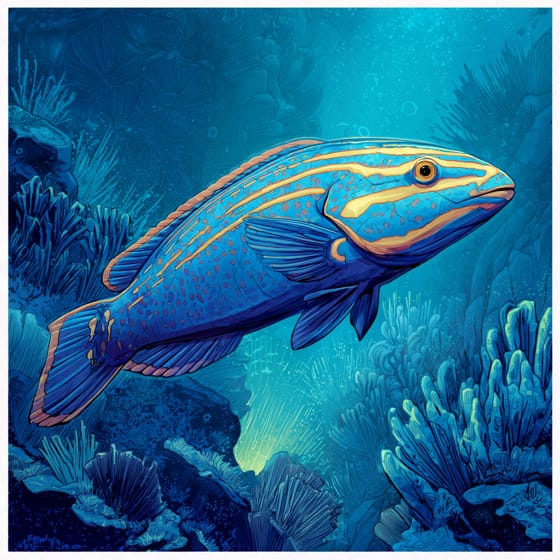
Labroides dimidiatus
Wrasses clean parasites off mantas at special 'cleaning stations'.
Orcinus orca
Orcas are rare predators of large marine animals like mantas.
Acartia tonsa
Tiny copepods are a primary food source for these large filter feeders.
Wildlife encompasses all undomesticated animal and plant life existing in their natural habitats.
Social animals live in organized groups, cooperating for survival benefits such as foraging, defense, and raising offspring.
Filter feeders obtain nutrients by straining suspended food particles and small organisms from water.
Gliding animals move through the air by launching themselves and maintaining flight with specialized body structures, without flapping wings.

Describes a species whose presence and role have a disproportionately large effect on its environment.

Aquatic habitats encompass environments where organisms live predominantly in water, including oceans, rivers, lakes, and wetlands.

Giant describes organisms or objects of significantly larger size than average for their species or type.

Marine habitats encompass all saltwater environments of the Earth's oceans, supporting an immense diversity of aquatic life.
Danger
2/5 · Low
Watch quietly from a distance and never try to feed or chase wild animals.
The easiest way to identify Manta Ray is to use the Snappit nature identifier app.
400-700 cm
1000-2000 kg
40-50 years
These gentle giants cruise the ocean, sifting tiny organisms from the water to eat.
7 km/h
Warm ocean waters
Filter Feeding
Zoom in to split clusters and explore where this object has been snapped.
Recent snaps will appear here as new observations are added.

Florida, US
You might spot Orca, Bottlenose Dolphin, and Penguin.
View guide →
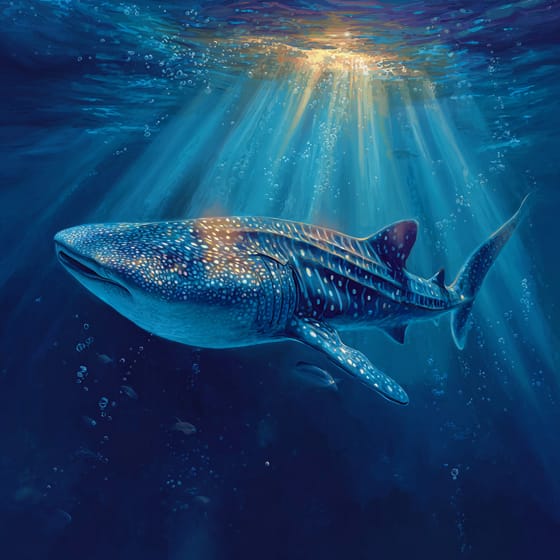
Georgia, US
You might spot Whale Shark, Manta Ray, and Beluga Whale.
View guide →

Valencian Community, ES
You might spot Beluga Whale, Bottlenose Dolphin, and Great White Shark.
View guide →
Take the discovery with you
Snap it with Snappit to identify it, learn what makes it special, and add the discovery to your collection.