


Blackberry Bush
Neoseiulus akimovi
Blackberry Bush is a prickly plant that produces sweet blackberries! It's fun to pick the berries in summer.
Habitat: Blackberry bushes grow in sunny areas, often found in gardens and along trails.
The Blackberry Bush is a thorny perennial shrub with arching, often reddish-brown stems covered in sharp prickles. Its dark green leaves are typically compound, and its white to pale pink flowers develop into clusters of shiny, purplish-black fruit.
Category
PlantsRarity
Common
Danger
1/5 · Very low
Snaps
Be the first to snap!
Blackberry bushes are often 'pioneer plants,' meaning they are among the first to grow in disturbed areas!
Did you know blackberries are not true berries, but rather 'aggregate fruits' made of many tiny drupelets?
Some blackberry varieties can produce fruit for over 30 years from the same plant, making them super long-lived!
The juice from blackberries was once used as a natural dye for clothing because of its deep purple color!
Blackberry Bush has sharp thorns that help it defend against hungry animals trying to eat its leaves and berries.
Blackberry Bush can send out new shoots from its roots, allowing it to quickly spread and claim more territory.
Blackberry Bush can root new plants where its arching stems touch the ground, helping it spread and reproduce effectively.
Apis mellifera
collects nectar and pollen from flowers
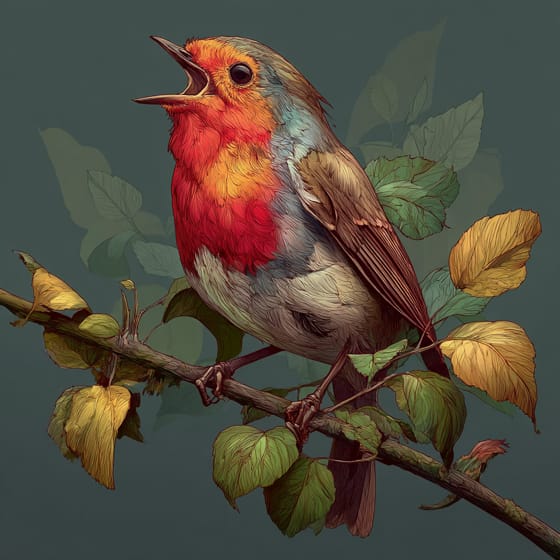
Turdus migratorius
disperses seeds after eating berries
Ursus americanus
eats large quantities of ripe berries
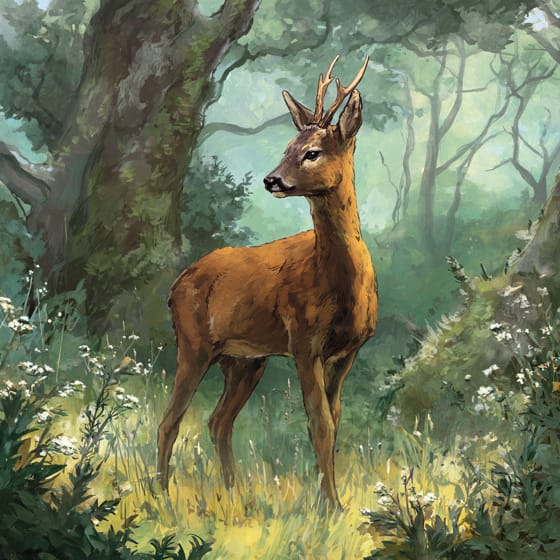
Capreolus capreolus
browses on young leaves and shoots
Deciduous plants periodically shed all their leaves, typically during autumn or dry seasons.
A shrub is a woody plant smaller than a tree, typically with multiple stems branching from or near the ground.
Spring blooming plants produce their flowers during the spring season, often signifying the end of winter and the start of new growth.
Fruit-bearing plants produce fruits, which are the mature ovaries of flowering plants containing seeds.

Pertaining to plants that have stems covered with sharp, pointed projections for defense.

Edible plants are those parts of a plant that are considered safe for human consumption.

Forest habitats are terrestrial environments dominated by dense tree cover, supporting a high diversity of plant and animal life.
Danger
1/5 · Very low
Explore with care and ask an adult if you’re unsure what to do.
100-300 cm
150-500 cm
1-3 cm
Late Spring to Early Summer
Yes
None
Perennial
Insect
Zoom in to split clusters and explore where this object has been snapped.
Recent snaps will appear here as new observations are added.
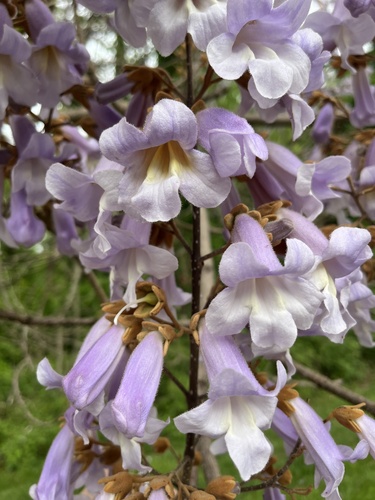
Pennsylvania, US
You might spot Paulownia, Asian Lady Beetle, and Spotted Lanternfly.
View guide →
British Columbia, CA
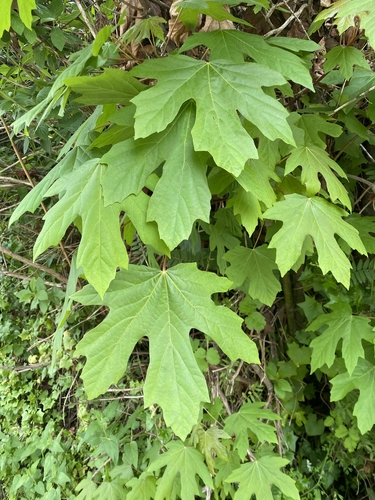
You might spot Bigleaf Maple, Western Sword Fern, and Vanilla Leaf.
View guide →

California, US
You might spot Duck, American Coot, and Canada Goose.
View guide →
British Columbia, CA
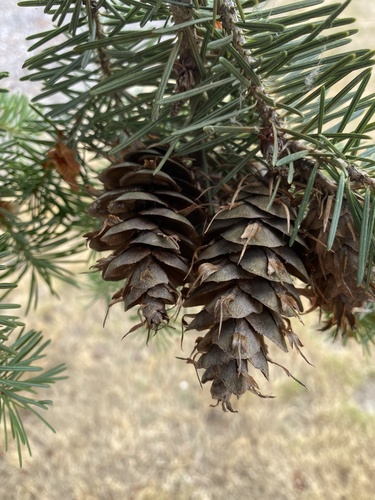
You might spot Douglas Fir, Pacific Madrone, and Rough-Skinned Newt.
View guide →

California, US
You might spot California Wild Rose and California Wild Grape.
View guide →

Washington, US
You might spot Rock Pigeon, American Crow, and Dogwood Shrub.
View guide →