Asian Lady Beetle
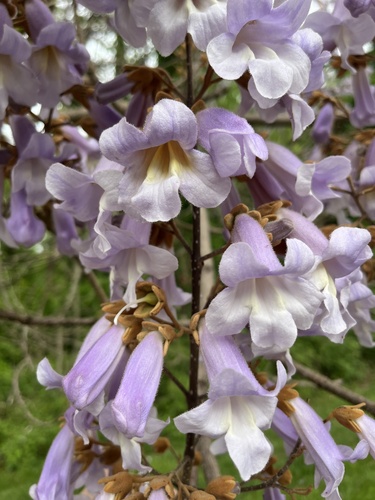
Spring Mill Park, nestled in Whitemarsh Township, Montgomery County, Pennsylvania, offers a tranquil escape into nature along the east side of the historic Schuylkill River.
Spring Mill Park, nestled in Whitemarsh Township, Montgomery County, Pennsylvania, offers a tranquil escape into nature along the east side of the historic Schuylkill River. This 38-acre county-owned park is a haven of undeveloped floodplain forests, providing a serene natural setting that stands in delightful contrast to the nearby urban bustle. It serves as a vital access point to the renowned Schuylkill River Trail, inviting visitors to explore its wild beauty and abundant wildlife. The park's unique ecosystem, shaped by the river and its tributaries, makes it a special place for both casual visitors and dedicated nature enthusiasts.
The park's diverse habitats include silver maple floodplain forests and sycamore-box elder floodplain forests, where species like black walnut, American elm, and white ash thrive. These woodlands are home to a variety of wildlife, offering glimpses of White-tailed Deer grazing peacefully or the majestic Red-tailed Hawk soaring overhead. Keep an eye out for smaller inhabitants such as the American Toad, Common Garter Snake, and the intricate Wood ear fungi. Birdwatchers might spot the vibrant Scarlet Tanager and Mourning Dove, or, if lucky, riparian specialists like the Northern Parula, Yellow-throated Warbler, and Warbling Vireo, which favor the trees overhanging the river. The park also boasts two state-listed wetland plants, forked rush and umbrella sedge, within its marshy areas.
Spring Mill Park is an ideal destination for those seeking to reconnect with nature, enjoy a peaceful stroll, or embark on an invigorating bike ride along the Schuylkill River Trail. Its undeveloped charm and rich biodiversity provide countless opportunities for wildlife observation and photography, ensuring a memorable experience. Whether you're drawn by the tranquility of the river, the allure of birdwatching, or simply the desire for a refreshing outdoor adventure, Spring Mill Park offers a quiet natural sanctuary worth discovering. Be ready to snap and learn! Get the Snappit app to identify any nature species you find here.
The area known as Spring Mill has a rich history, dating back to its origins as an industrial center. The community itself takes its name from an early gristmill, which was first established between 1697 and 1704. This mill was historically significant, powered by a spring-fed creek, demonstrating the early settlers' ingenuity in harnessing natural resources. Over time, the village of Spring Mill also became home to iron furnaces, built in 1844 and 1853, which processed iron ore mined locally, further cementing its industrial past before these structures were later demolished for railroad expansion. Although the original gristmill burned in 1967, the miller's house survives and is listed on the National Register of Historic Places, preserving a tangible link to this historical legacy.
Enjoy walking or biking on the Schuylkill River Trail, observe local wildlife such as White-tailed Deer and various bird species, and immerse yourself in the natural tranquility of the riverfront environment.
Spring: Witness the park come alive with new growth and the return of migratory birds like the Scarlet Tanager.
Summer: Lush green foliage provides ample shade, though insect activity will be higher. Look for reptiles and amphibians such as the Common Garter Snake and American Toad.
Fall: Experience stunning autumn colors along the riverbanks and observe migrating birds.
Winter: A quieter time, offering stark beauty and potentially easier spotting of larger mammals through sparser vegetation.
Spring Mill Park provides an access point to the Schuylkill River Trail. The Schuylkill River Trail often features a wide, paved surface, making it suitable for walking, jogging, and biking, including for individuals using wheelchairs. Parking is available at the Spring Mill Trailhead, which is free after 6 PM on weekdays and all day on weekends.
The scenic Schuylkill River Trail, undeveloped floodplain forests, and exceptional birdwatching opportunities.
Each card links to a full Explore page with photos, traits, and fun facts.
Start with the big picture, then zoom in to explore individual wildlife observations around this place.
Bring binoculars
Essential for birdwatching and spotting distant wildlife along the river.
Stay on designated trails
Help protect the park's undeveloped ecosystems and sensitive wetland plants.
Wear appropriate footwear
Trails can be natural and uneven in some areas, so comfortable walking or hiking shoes are recommended.
Visit during off-peak hours
Early mornings or late afternoons often provide the best opportunities for solitude and wildlife sightings.
Pack water and snacks
There are limited facilities within the undeveloped park area.
Be aware of invasive species
While part of the park's observed flora, be mindful of species like Japanese knotweed and Amur honeysuckle which are prevalent in the area.
Sep 7, 2025
Aug 5, 2025
May 29, 2025
May 17, 2025
May 2, 2025

Maryland, US
You might spot White-Tailed Deer and Eastern Gray Squirrel.
View guide →
.jpg)
District of Columbia, US
You might spot Eastern Gray Squirrel, Duck, and House Sparrow.
View guide →

Illinois, US
You might spot American Robin, Canada Goose, and House Sparrow.
View guide →

Virginia, US
You might spot Spotted Lanternfly and Northern Cardinal.
View guide →
Take the discovery with you
Identify the wildlife you spot, learn as you go, and keep a collection of the adventure.