Pine Squirrel
Tamiasciurus
Pine squirrels are small and lively animals that love to jump around in trees. They have fluffy tails and are great at climbing!
Habitat: Forests
The Pine Squirrel is a small, energetic squirrel with a reddish-brown back and a pale white or cream-colored belly. It often has a distinct white ring around its eyes. Unlike larger grey squirrels, its smaller size and vibrant coloring make it easily identifiable.
Category
MammalsRarity
Common
Danger
1/5 · Very low
Snaps
Be the first to snap!
Pine squirrels can run headfirst down trees, rotating their hind feet 180 degrees!
Pine squirrels create giant underground pantries of pine cones called 'middens'.
These little squirrels are super territorial and will loudly chatter at intruders!
They hang mushrooms on branches to dry them, saving snacks for later.
Pine Squirrel can bury huge stashes of seeds and nuts, helping them survive harsh winters when food is scarce.
Pine Squirrel has strong claws and flexible ankles that help them swiftly climb and jump through trees with ease.
Pine Squirrel can detect hidden food stores and approaching predators using their excellent hearing and sense of smell.
These omnivores primarily feast on conifer seeds, nuts, and fungi, supplementing with berries and insects.
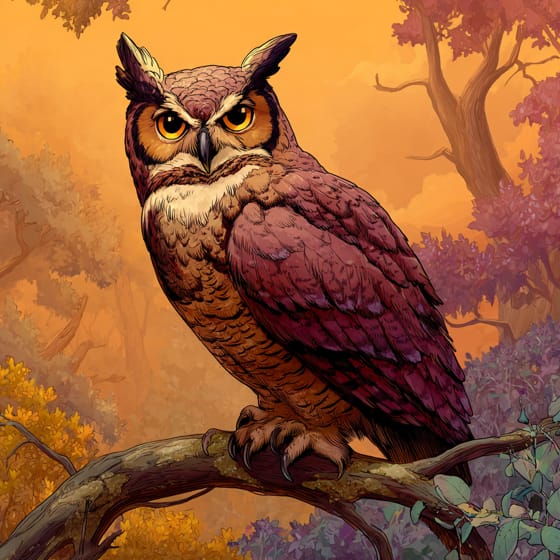
Bubo virginianus
a common nocturnal predator
Martes americana
a quick and agile forest hunter
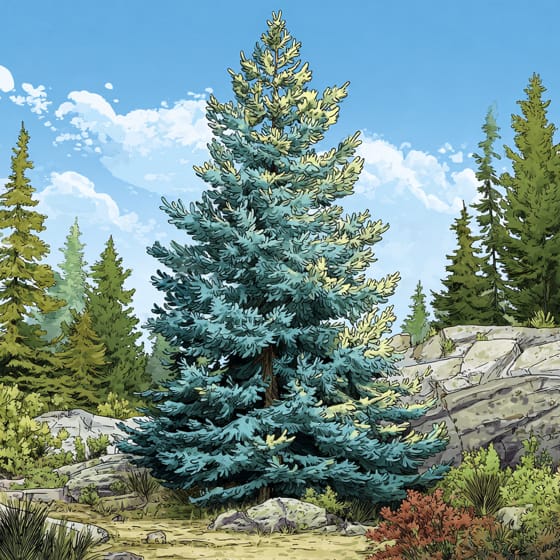
Picea glauca
for an important source of seeds
Wildlife encompasses all undomesticated animal and plant life existing in their natural habitats.
Furry describes animals possessing a dense covering of soft hair or fur.
Arboreal animals live primarily in trees, utilizing them for shelter, food, and protection from predators.
This trait characterizes organisms whose diet consists entirely or primarily of plant material.

Forest habitats are terrestrial environments dominated by dense tree cover, supporting a high diversity of plant and animal life.

Nocturnal animals are primarily active during the nighttime hours, typically resting or sleeping during the day.
Danger
1/5 · Very low
Always observe squirrels from a distance. They are wild animals and should not be approached or fed.
16-23 cm
0.15-0.28 kg
2-7 years
24 km/h
These omnivores primarily feast on conifer seeds, nuts, and fungi, supplementing with berries and insects.
Forests
Foraging
1-8
Zoom in to split clusters and explore where this object has been snapped.
Recent snaps will appear here as new observations are added.