





Hoary Bat
Lasiurus cinereus
The Hoary Bat is a friendly little creature that loves to fly at night! With its soft, gray fur, it can be hard to spot as it swoops through the trees.
Habitat: Forests and wooded areas
The Hoary Bat is a large bat with long, dense fur that is dark brown or reddish-brown tipped with white, giving it a 'hoary' or frosted appearance. It also has a distinct yellowish or reddish patch of fur around its throat and shoulders, and small, rounded, fur-covered ears.
Category
MammalsRarity
Common
Danger
1/5 · Very low
Snaps
3
Hoary Bats fly thousands of miles yearly, an incredible journey for such a small mammal!
Hoary Bats give birth to twins or even quadruplets, which is quite rare for most bats!
Their frosted fur makes them almost invisible against tree bark, like a magic disguise!
These speedy flyers can catch insects high above treetops, even in complete darkness!
Hoary Bat can emit high-pitched sounds and listen for echoes (echolocation) to navigate dark nights and hunt flying insects efficiently.
Hoary Bat has powerful wings and migrates vast distances, allowing them to find warmer climates and abundant food when seasons change.
These bats are insect-eating specialists, catching flying insects like moths and beetles!
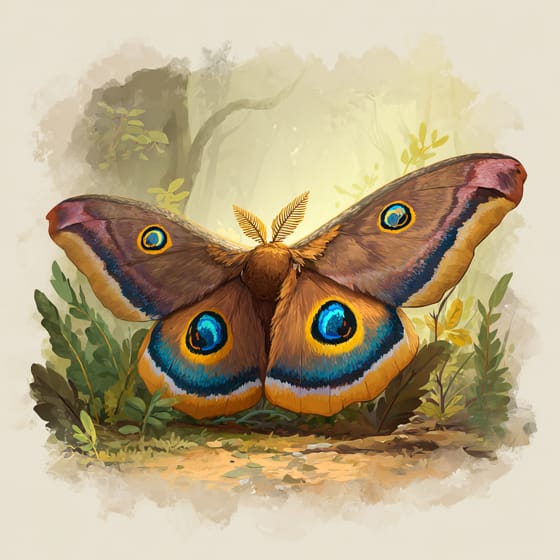
Antheraea polyphemus
A favored night-time meal caught in mid-flight.
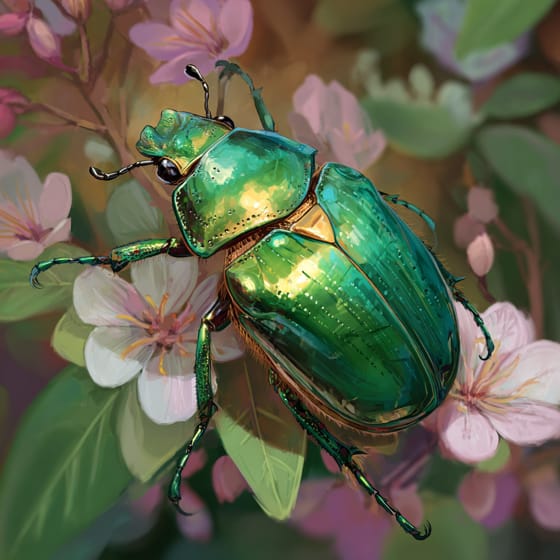
Popillia japonica
Eats many common garden pest beetles.
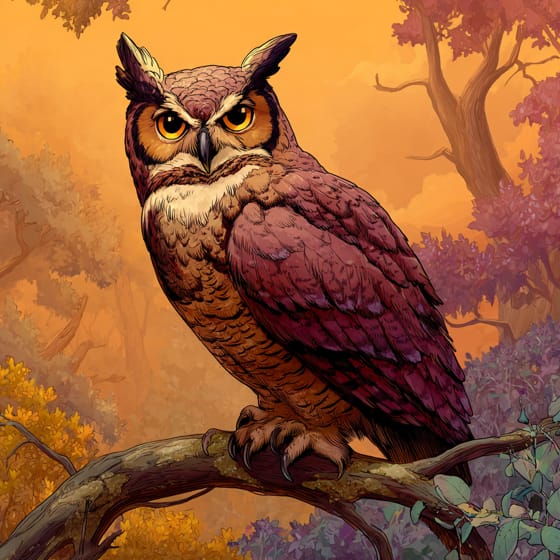
Bubo virginianus
A powerful nocturnal predator that may opportunistically hunt bats.
Pinus ponderosa
Roosts solitarily in the dense foliage of tall conifer trees.
Wildlife encompasses all undomesticated animal and plant life existing in their natural habitats.
Furry describes animals possessing a dense covering of soft hair or fur.
Arboreal animals live primarily in trees, utilizing them for shelter, food, and protection from predators.
This trait identifies organisms whose diet primarily consists of insects and other small invertebrates.

Forest habitats are terrestrial environments dominated by dense tree cover, supporting a high diversity of plant and animal life.

This trait identifies organisms that exhibit exceptional swiftness in movement for hunting, escape, or travel.

Migratory animals undertake seasonal movements from one region to another, typically in response to changes in climate or food availability.

Nocturnal animals are primarily active during the nighttime hours, typically resting or sleeping during the day.
No aliases listed yet.
Danger
1/5 · Very low
Hoary Bats are harmless and prefer to stay away from people. It's best to enjoy them from a distance.
The easiest way to identify Hoary Bat is to use the Snappit nature identifier app.
10-15 cm
38-46 cm
0.02-0.04 kg
5-7 years
40 km/h
These bats are insect-eating specialists, catching flying insects like moths and beetles!
Forests and wooded areas
Zoom in to split clusters and explore where this object has been snapped.

Michigan, US
You might spot Eastern Gray Squirrel, Tree-Of-Heaven, and House Sparrow.
View guide →

Michigan, US
You might spot Eastern Gray Squirrel, Rock Pigeon, and House Sparrow.
View guide →

Michigan, US
You might spot Eastern Gray Squirrel, Eastern Foxsnake, and Monarch.
View guide →

Michigan, US
You might spot Rock Pigeon, House Sparrow, and Eastern Gray Squirrel.
View guide →

Michigan, US
You might spot House Sparrow, Eastern Gray Squirrel, and Rock Pigeon.
View guide →

Michigan, US
You might spot Eastern Gray Squirrel, House Sparrow, and Rock Pigeon.
View guide →
Take the discovery with you
Snap it with Snappit to identify it, learn what makes it special, and add the discovery to your collection.





.jpg&width=800)


.JPG&width=800)



.jpg&width=800)
