





Armadillo
Dasypus novemcinctus
Armadillos are small, friendly mammals with a hard shell. They like to dig in the ground and can curl up into a ball to protect themselves.
The Armadillo has a distinctive bony, segmented shell that covers its back, head, and tail, appearing gray-brown. Its long, pointed snout and small eyes are visually unique, making it look like a prehistoric mammal. Its body is relatively hairless, except for some sparse fur on its belly.
Category
MammalsRarity
Common
Danger
1/5 · Very low
Snaps
Be the first to snap!
Armadillos can dig a new burrow for shelter in just minutes!
Armadillos spend up to 16 hours a day sleeping in their burrows!
Their name means 'little armored one' in Spanish!
They always give birth to four identical babies at once!
Armadillo has a tough, bony shell that helps them stay safe from many predators.
Armadillo can dig burrows and unearth food quickly because of their strong claws and powerful legs.
Armadillo can hold their breath for several minutes, allowing them to walk across the bottom of streams.
Armadillo can jump surprisingly high and straight up when startled, helping them avoid danger.
Armadillos love to dig for tasty insects, grubs, and worms deep in the soil!
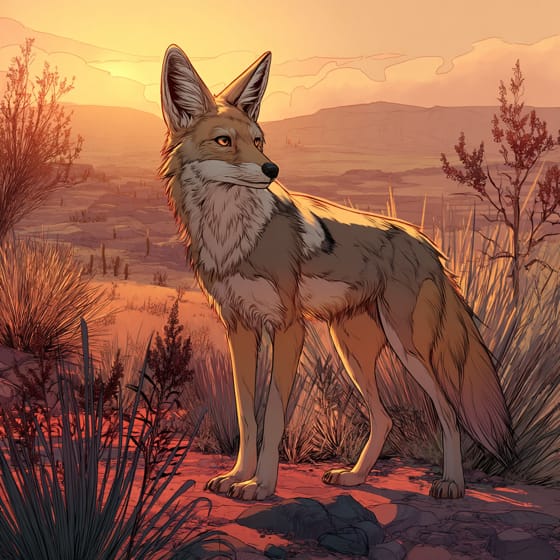
Canis latrans
Hunts armadillos in their natural habitat.
Puma concolor
Preys on armadillos for sustenance.
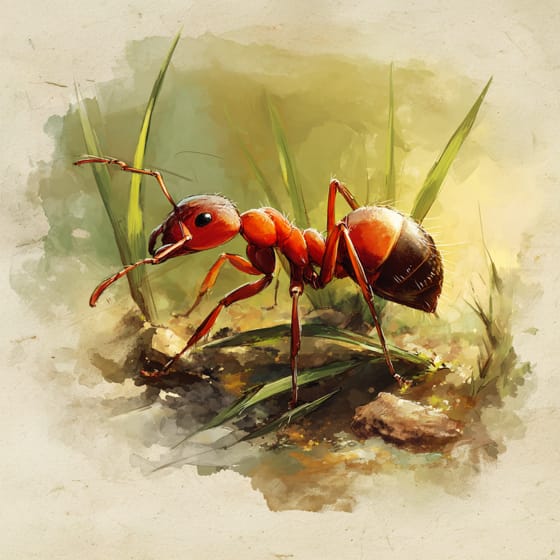
Solenopsis invicta
Digs up and consumes these ants as a food source.
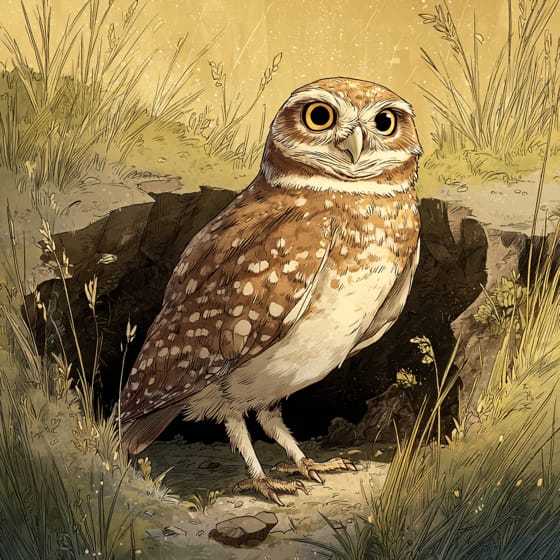
Athene cunicularia
Utilizes abandoned armadillo burrows for nesting and refuge.
Wildlife encompasses all undomesticated animal and plant life existing in their natural habitats.
Furry describes animals possessing a dense covering of soft hair or fur.
Burrowing animals dig tunnels and chambers in the ground, using these subterranean structures for shelter, hunting, or breeding.
This trait identifies organisms whose diet primarily consists of insects and other small invertebrates.

Forest habitats are terrestrial environments dominated by dense tree cover, supporting a high diversity of plant and animal life.

Armored describes animals protected by a hard, external covering or shell for defense.

This trait identifies organisms that exhibit exceptional swiftness in movement for hunting, escape, or travel.

Nocturnal animals are primarily active during the nighttime hours, typically resting or sleeping during the day.
Danger
1/5 · Very low
Armadillos are not dangerous to people. Always watch animals from a distance and be gentle.
The easiest way to identify Armadillo is to use the Snappit nature identifier app.
38-58 cm
2.5-6.5 kg
7-15 years
48 km/h
Armadillos love to dig for tasty insects, grubs, and worms deep in the soil!
Foraging
4
Zoom in to split clusters and explore where this object has been snapped.
Recent snaps will appear here as new observations are added.
Take the discovery with you
Snap it with Snappit to identify it, learn what makes it special, and add the discovery to your collection.





.jpg&width=800)


.JPG&width=800)


.jpg&width=800)
