Snappit logo
Snappit
Get App
Generic illustration, not a photograph of this venueIllustration
ParkAmami Islands, Japan

Amamigunto National Park

A short-eared rabbit, a blue-and-chestnut jay and a cape covered in low bamboo make an absorbing introduction to Amami Ōshima.

About

A short-eared rabbit, a blue-and-chestnut jay and a cape covered in low bamboo make an absorbing introduction to Amami Ōshima. Start at the Amami Wildlife Center in Yamato Village, where exhibits explain the animals and the work needed to protect them. Then, on a calm day, head to Miyakozaki for a coastal walk with room to stop and look.

Amamigunto National Park reaches across the Amami island group in Kagoshima Prefecture, between mainland Kyushu and Okinawa. Its landscapes include subtropical forests, mangroves, coral-fringed shores and limestone islands. This visit stays on western Amami Ōshima: the wildlife center is a conservation gateway, and Miyakozaki is the outdoor national-park stop. Exploring the other islands takes separate travel plans.

Inside the center, island displays, animal specimens, sounds and a short film help make sense of wildlife that can be difficult to find outdoors. Look closely at the Amami rabbit’s small ears and sturdy feet, then ask staff what is worth noticing in the season you are visiting. A satisfying visit here does not depend on spotting a rare animal later.

At Miyakozaki, the open cape feels very different from the island’s forested interior. Wind keeps the vegetation low, with Ryukyu bamboo and azaleas across the headland. The approach from the nearest parking area to the observatory is about 1.5 km each way. Return by the same path for roughly 3 km of walking, with the East China Sea as the reward. Save the exposed cape for settled weather and keep enough daylight for the return. Unlock an interactive field guide for this spot: get the Snappit app to identify nature on the go.

Amamigunto became a national park on 7 March 2017. The Amami Wildlife Center had already opened to the public on 29 April 2000, giving the island a base for research, conservation and nature education.

What to do here

Spend 45–60 minutes exploring the wildlife center, then allow 60–90 minutes for the Miyakozaki out-and-back walk, including pauses. At the cape, compare the low, wind-shaped vegetation with the wooded slopes you passed on the approach. Keep to the established path.

Seasonal info

Spring brings azaleas to the cape; flowering varies with the year. The rainy season usually falls around mid-May to late June. Summer calls for water, sun protection and a shorter walk if the heat builds. Winter sea-watching can be rewarding, but wind and visibility matter more than the calendar.

Accessibility

The center is the shorter indoor option; call ahead about step-free entry, toilet facilities and any assistance you need. Miyakozaki’s paved approach has uneven places and protruding roots, and the parking-area walk is about 3 km return. Ask Yamato Village about current conditions before taking a wheelchair or pushchair.

Don't miss

1

Island wildlife explained through specimens, sound and film at the Amami Wildlife Center

2

Ryukyu bamboo framing the East China Sea at Miyakozaki

3

A manageable out-and-back walk with no need to cross the island

4

The conservation story behind the Amami rabbit and other island endemics

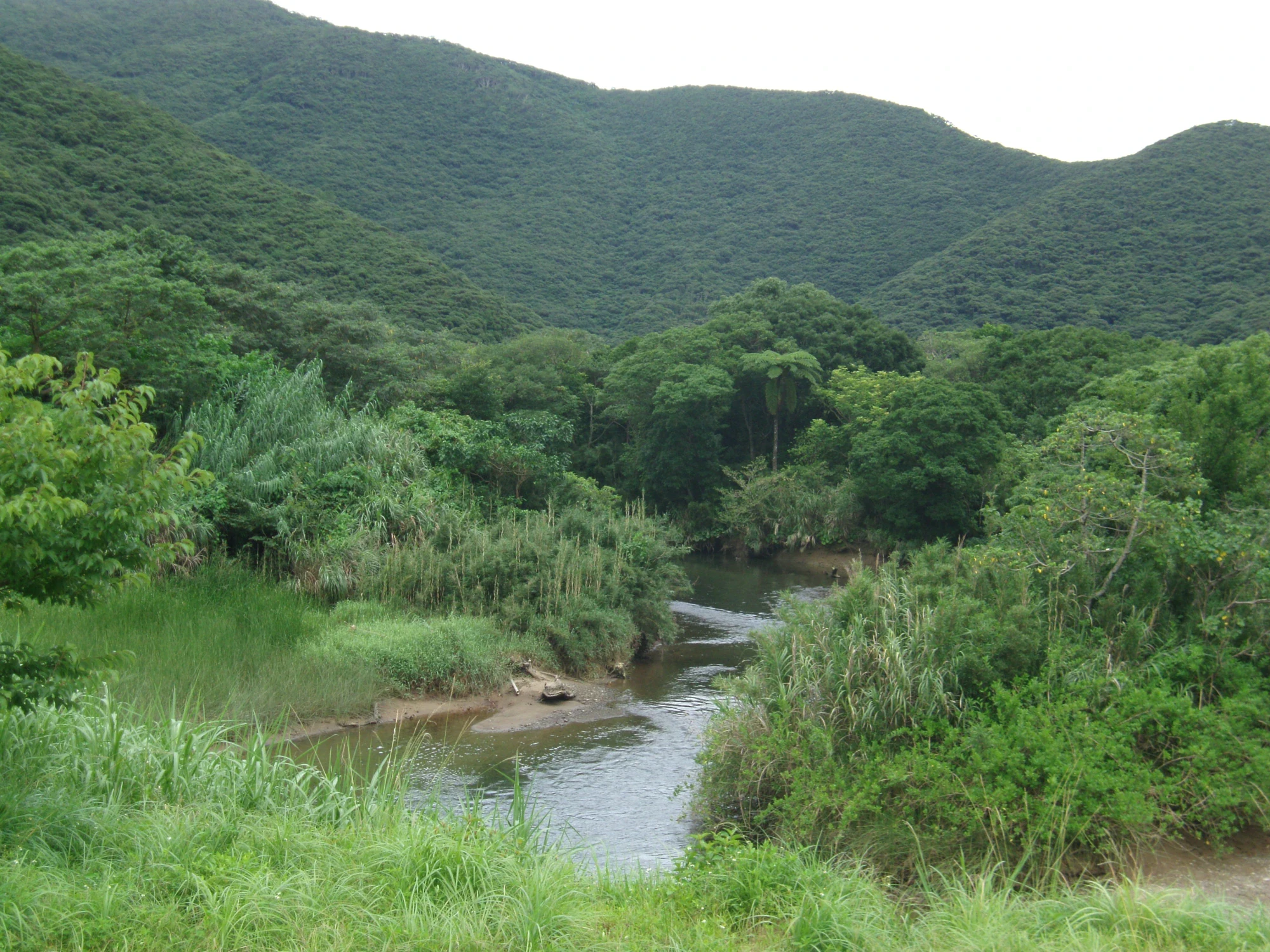
A narrow waterway winds between dense grasses and green trees beneath forest-covered hills.

Dense greenery lines a waterway on Amami Oshima, photographed on 25 June 2021. A wider island habitat scene, separate from the Amami Wildlife Center.

Mangrove forest in Amami Oshima.jpg — Indiana jo, CC BY-SA 4.0 (https://creativecommons.org/licenses/by-sa/4.0/). Source: https://commons.wikimedia.org/wiki/File:Mangrove_forest_in_Amami_Oshima.jpg. Resized and recompressed as WebP; no crop or retouching. · Creative Commons

Walks and routes

Miyakozaki observatory out and back

Start at the signed Miyakozaki parking area on the old prefectural road. Follow the established approach to the observatory, pause for the bamboo and sea views, then retrace your steps. Allow 60–90 minutes for about 3 km return; leave the shore descents and side paths for another visit.

The approach is described as paved, but roots and uneven patches need care. Wear shoes with a firm sole and check the route with the village if you need a consistently smooth surface.


Miyakozaki observatory out and back

A relaxed half-day from Naze

Allow roughly 3–4 hours by car, plus lunch. Swap the two stops in hot weather so the walk comes first.

Start with the center

Arrive after 9:30 a.m. and give the displays and film 45–60 minutes. Ask staff about weather, road conditions and what to notice outdoors.

Move to the cape

Drive to the Miyakozaki parking area near Kuninao. Check that everyone has water, walking shoes and enough energy for the return leg.

Walk out and back

Allow 60–90 minutes for the roughly 3 km walk, with pauses at the observatory. Turn back earlier if heat, wind or tiredness makes the outing less enjoyable.

Leave the afternoon flexible

Return toward Naze or stop for lunch locally. Keep a forest tour or mangrove excursion for a separate plan rather than squeezing it into this half-day.

Things to try

Make a small wildlife challenge

Choose one mammal, one bird and one conservation problem to investigate in the center. The film lasts about 15 minutes, so leave room for it rather than rushing straight through the exhibits.

Pause at the change in vegetation

As the view opens up, notice how low the plants become. Compare the movement of the bamboo with the more sheltered vegetation along the approach, without stepping off the path.

Plan a guided forest day

For tall tree ferns and forest interpretation, arrange Kinsakubaru separately. Reserve a paid Amami Islands Certified Eco Tour Guide; visitor numbers and tour times are limited. Confirm the meeting point, transport, footwear and children’s suitability with your guide.

Ask before adding a night outing

Choose an experienced guide if you want to learn about nocturnal wildlife. The Santaro area requires advance night-use reservations, which your guide handles for a guided visit. On 16 October 2026, the official page carried a landslide warning: ask the guide about the latest road conditions before booking.

Let the center be the whole outing

On a wet day, spend longer with the film, specimens and books, then leave the cape for better weather. If a storm disrupts roads or closes the center, postpone the trip rather than seeking a sheltered forest track.

Wildlife and habitats

Look, listen and leave space

Treat wildlife as a possible bonus. Stay on established paths, keep your distance and use the center’s displays to learn animals you may never see outdoors. Do not search for nests, burrows or rare-species hideouts.

Amami rabbit

At the center, compare the preserved rabbit with the long-eared rabbits you may know. Its short ears and powerful feet suit a very different life. Wild Amami rabbits live only on Amami Ōshima and Tokunoshima and are mainly active at night.

Amami jay

Look for the blue-and-chestnut Amami jay in the center’s animal information. Its tiny world range includes Amami Ōshima, Kakeromajima and Ukejima. Learning its colors and calls is a good way to prepare for a quiet forest outing.

Cape azaleas

Miyakozaki’s low vegetation includes Taiwan yama-tsutsuji, an azalea also known as Rhododendron simsii. Enjoy the flowers from the path and leave them growing. Local conservation activities also include planting these azaleas.

Winter sea-watching

In winter, bring binoculars and take a patient look offshore from the cape. Humpback whales migrate through the waters around Amami Ōshima; distant blows are easier to miss when the sea is rough. Keep this a relaxed pause in the walk.

Stories and discoveries

Bamboo links landscape and village life

Yamato’s cape bamboo was traditionally used for thatched roofs. The village still uses it for its protected raised granary buildings, known as boregura.

A conservation story with a turning point

Japan’s Environment Ministry declared the introduced mongoose eradicated from Amami Ōshima on 3 September 2024. Work now includes preventing its return, a reminder that protecting island wildlife continues after a major success.

When to visit

Spring: look at the low plants

Azaleas add another reason to slow down at Miyakozaki. Ask locally about flowering rather than planning around an exact peak date.

Warm months: make the walk the cool part of the day

The rainy season usually runs from around mid-May to late June. Carry water, a hat and rain protection in the warm months. If a shower develops into heavy rain or the wind strengthens, shorten the outing. Check typhoon and road notices before travelling to an exposed coastal site.

Winter: layers and binoculars

The cape can feel cold in the wind. Bring an extra layer and use a calm spell for a short sea-watch; the winter whale season is a possibility to enjoy, not a reason to stay out in poor conditions.

Getting there and practical advice

Amami Wildlife Center

Free admission. Normally open 9:30 a.m.–4:30 p.m.; closed Mondays, the following day if Monday is a public holiday, and 29 December–3 January. Address: 551 Ongachi, Yamato Village. Phone: +81 997-55-8620. Multilingual pamphlets are listed; ask what is available on the day.

Toilets and drinking water at Miyakozaki

A bio-toilet stands beside the cape observatory. There is no toilet at the cape parking area; the village directs visitors to the toilet beside Kuninao village’s parking area before the walk. Bring your own water and hand-cleaning supplies.

A quieter stop inside

The center has a small library of nature books and a deck looking toward Mahoroba Park and the hills. Ask staff whether the deck is suitable in the day’s weather.

Driving from Naze or the airport

The wildlife center gives approximate driving times of 30 minutes from Naze Port and 1 hour 10 minutes from Amami Airport. Leave extra time on the rolling approach into Yamato. Miyakozaki is another stop along the west coast, not a walking connection from the center.

Using the Yamato Village direct bus

The direct bus accepts visitors and serves Ongachi and Kuninao. The village lists five weekday through services and three on weekends and public holidays. From the airport, take Shima Bus to the West Court stop in Naze and change there. If starting the cape walk from Kuninao village, plan for about 5 km return rather than the shorter parking-area route. Check the timetable, the final walk to each entrance and your return connection; carry exact cash if paying on board.

Keeping the day manageable

With small children, limited walking stamina or a fixed return time, arrange a car or taxi between the two stops. Confirm any taxi pickup in advance rather than relying on finding one at the cape.

Ask about the indoor visit

For wheelchair access, accessible toilets or help moving through the displays, contact the center directly at +81 997-55-8620 before travelling. Describe the assistance you need so staff can advise on your visit.

Judge the cape by the return walk

The 1.5 km outward distance is only half the outing. Roots and uneven sections matter for pushchairs and mobility aids, even where the path is paved. Ask Yamato Village’s tourism team at +81 997-57-2117 about current path conditions.

Sources and useful links

Wildlife you might spot

2

Each card links to a full Explore page with photos, traits, and fun facts.

Snap map for this place

Start with the big picture, then zoom in to explore individual wildlife observations around this place.

Loading map…

Good to know before you go

Check the center’s latest opening notice before you leave: it normally closes on Mondays, or the following day when Monday is a public holiday.

Bring water and snacks before the cape walk. There are no vending machines there, and the cape toilet has no handwashing or drinking-water point.

Wear closed walking shoes. Habu snakes live on Amami Ōshima; stay out of long grass and bamboo, watch your footing and keep children on the path.

Return before dark

Miyakozaki has no path lighting. Turn back if strong wind, heavy rain or a storm makes the walk uncomfortable.

Drive slowly and watch for animals crossing, especially after dusk. Roadkill remains a serious problem on the island.

Take litter home, leave plants and animals where they are, and never feed wildlife.

Photograph from a respectful distance and leave rare-species locations out of public posts.

Book Kinsakubaru with a certified eco-tour guide in advance if you want a forest visit on another day.

Frequently asked questions

Choose one island and one area. This plan combines two stops on western Amami Ōshima; the park’s other islands, mangroves and forest excursions deserve separate time.
The advertised rabbit exhibit is a preserved specimen. Use the center to learn about this nocturnal animal; a wild encounter would require a separate outing and is never certain.
The nearest-parking approach is about 1.5 km to the observatory, so allow for a roughly 3 km return walk. Starting from Kuninao village is longer: the village describes its cape walk as about 5 km return, with short ups and downs.
Yes, with careful planning. The Yamato Village direct bus serves Kuninao and Ongachi, but there are only a few through services each day. Check both outward and return connections, and ask about the final walk from your stop.
Kinsakubaru requires an advance booking with a paid certified eco-tour guide. The Santaro area has separate night-use reservations and rules. Arrange a guided outing and check current road conditions before making either plan.

Recent snaps at this place

Recent snaps will appear here as new observations are added.

View all ›

Take the discovery with you

Exploring Amamigunto National Park?

Identify the wildlife you spot, learn as you go, and keep a collection of the adventure.

  1. 1Spot it
  2. 2Snap it
  3. 3Keep the discovery