





American Robin

Humboldt Park, a sprawling 207-acre (84 ha) urban oasis on Chicago's West Side, is more than just a green space; it's a vibrant cultural and natural haven.
Humboldt Park, a sprawling 207-acre (84 ha) urban oasis on Chicago's West Side, is more than just a green space; it's a vibrant cultural and natural haven. Designed to provide a scenic escape from congested city life, the park opened in 1877 and remains one of the largest and most beloved parks in the area. With its tranquil lagoons, historic architecture, and diverse ecosystems, Humboldt Park offers a refreshing retreat that seamlessly blends natural beauty with rich community history.
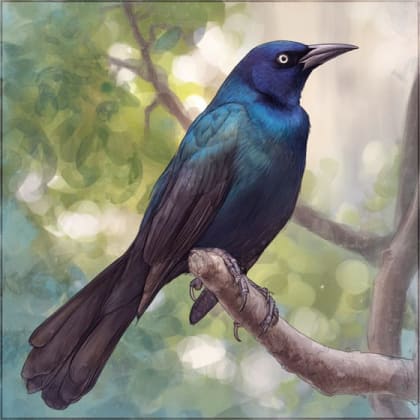
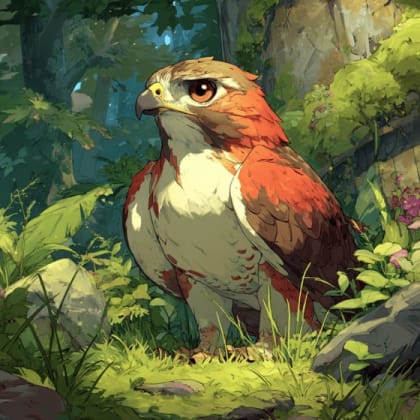
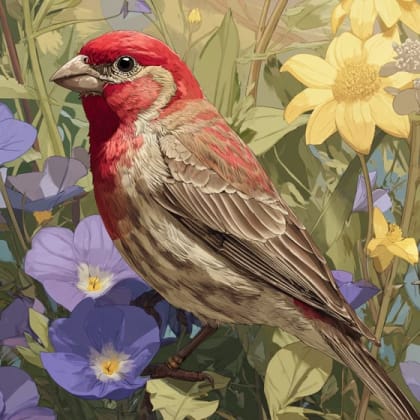
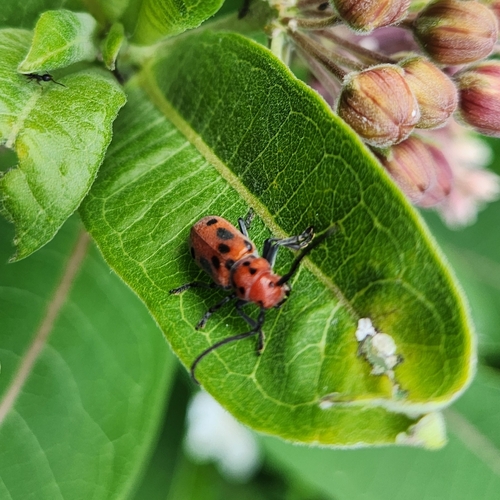
The park boasts a variety of key features, including picturesque lagoons perfect for kayaking or swan paddle boats, formal gardens, and a restored prairie river. These diverse habitats attract a remarkable array of wildlife, making it a fantastic spot for nature observation. Visitors might spot Wood Ducks and Mallards gracefully gliding across the water, while Great Blue Herons and Black-crowned Night Herons can be found along the water's edge. The park's varied flora, such as New England aster, Siberian squill, buttonbush, and common milkweed, supports a thriving insect population, including the iconic Monarch butterfly and the vibrant Red Milkweed Beetle. Birdwatchers can also delight in sightings of Red-tailed Hawks soaring overhead, and various warblers, such as the Palm Warbler and Yellow-rumped Warbler, flitting among the trees during migration seasons.
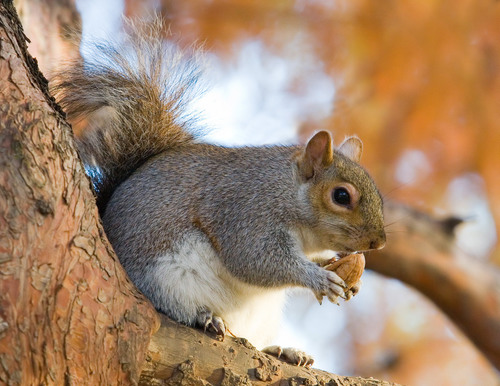
Humboldt Park is a captivating destination that offers something for everyone, from quiet contemplation amidst nature to active recreation and cultural immersion. Its scenic beauty, combined with opportunities to observe local wildlife like Eastern Gray Squirrels, Eastern Cottontails, and a variety of bird species, makes it a memorable escape within the city. Whether you're exploring its winding paths, relaxing by the water, or simply enjoying the vibrant community atmosphere, Humboldt Park promises a unique and enriching experience that highlights both Chicago's natural heritage and its strong cultural identity. Be ready to snap and learn! Get the Snappit app to identify any nature species you find here.
Humboldt Park became part of Chicago in 1869, envisioned as a beautiful green space within the city's West Park System, alongside Douglas and Garfield Parks. Originally marshland, it transformed into a "crown jewel" of the Park District. The park was named after Alexander von Humboldt, a renowned German naturalist and geographer, even though he never visited Chicago. Early development saw landscape architects like William Le Baron Jenney and later Jens Jensen significantly shaping its design, introducing lagoons, a river, a rose garden, and iconic structures like the boathouse and fieldhouse between 1905 and 1920. Throughout its history, Humboldt Park has been a cultural melting pot, initially attracting German, Scandinavian, and Polish immigrants who erected statues to honor their heritage, including monuments to Humboldt, Leif Erikson, and Thaddeus Kosciuszko. In the mid-20th century, the park and its surrounding neighborhood became a central hub for the Puerto Rican community in Chicago. The historic Humboldt Park stables, built in 1895, now house the National Museum of Puerto Rican Arts and Culture, the only museum in the United States dedicated entirely to Puerto Rican arts and culture. The park was added to the National Register of Historic Places in 1992, and several of its buildings, including the boathouse and stables, are recognized as Chicago Landmarks.
Enjoy leisurely strolls along paved and crushed gravel paths, go birdwatching around the lagoons, paddle a swan boat, fish, picnic, or visit the National Museum of Puerto Rican Arts and Culture. Attend various cultural festivals and events, especially during summer, such as the Puerto Rican Festival.
Spring: Excellent for observing migratory birds like warblers and sparrows, and seeing early blooms.
Summer: The park comes alive with activities including swimming at the beach, boating, and outdoor festivals like the Puerto Rican Parade and Fiesta Boricua.
Fall: Features stunning fall foliage, purple and white asters, and continued bird migration.
Winter: Offers a peaceful, serene landscape, though fewer outdoor activities and less wildlife activity.
Paved and crushed gravel paths circle the main lagoon and native plantings, making much of the park accessible. The historic fieldhouse is also accessible.
A historic structure with Prairie School architectural design, offering swan paddle boat rentals and scenic views.
Housed in the historic stables, it's the nation's only museum dedicated entirely to Puerto Rican arts and culture.
Ideal for birdwatching, fishing, and enjoying the serene water.
Featuring a restored rose garden and other plantings that attract butterflies and dragonflies.
Each card links to a full Explore page with photos, traits, and fun facts.




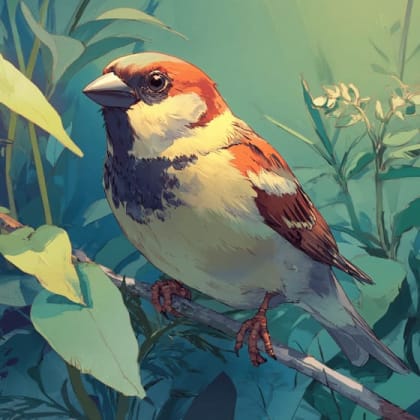














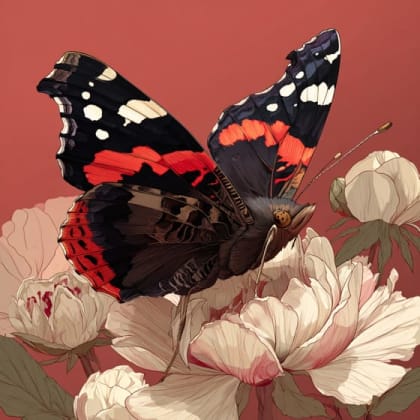




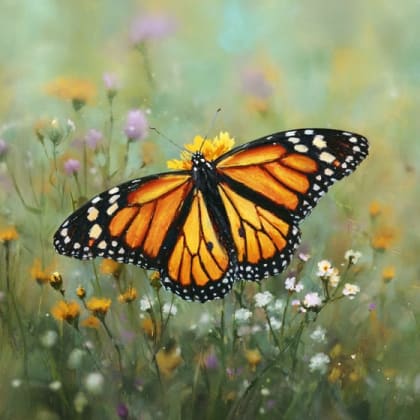



















Start with the big picture, then zoom in to explore individual wildlife observations around this place.
Arrive early for birdwatching
Many bird species, particularly migratory ones, are most active in the early morning.
Explore by water
Rent a swan paddle boat from the historic boathouse for a unique perspective of the lagoons.
Visit the National Museum of Puerto Rican Arts and Culture: Don't miss this free museum housed in the park's historic stables to learn about local culture and history.
Consider public transport
While parking can be found, using public transportation (like the Blue Line to Damen and then a bus) can be a convenient option.
Look for diverse habitats
Explore both the open water of the lagoons and the shrubby cover of the wooded island and formal gardens for different wildlife sightings.
Check for seasonal events
Consult the Chicago Park District website for information on Movies in the Park, Shakespeare in the Park, or other cultural festivals.
Jun 19, 2026
Photo attribution
(c) John Dunlevy, some rights reserved (CC BY)
License: CC BY 4.0 ↗
Image may be shown cropped inside the card frame.
Jun 20, 2026
Jun 20, 2026
Jun 19, 2026
Jun 19, 2026

Maryland, US
You might spot White-Tailed Deer and Eastern Gray Squirrel.
View guide →
.jpg)
District of Columbia, US
You might spot Eastern Gray Squirrel, Duck, and House Sparrow.
View guide →

Virginia, US
You might spot Spotted Lanternfly and Northern Cardinal.
View guide →
Illinois, US
You might spot Eastern Gray Squirrel, American Robin, and Duck.
View guide →
Take the discovery with you
Identify the wildlife you spot, learn as you go, and keep a collection of the adventure.









.jpg&width=800)