Snappit logo
Snappit
Get App
Generic illustration, not a photograph of this venueIllustration
ParkBR

Emas National Park

At Emas, the landscape is the main event before any animal appears.

About

At Emas, the landscape is the main event before any animal appears. Across the Goiás–Mato Grosso do Sul border, grassland stretches toward a low horizon, with termite mounds punctuating the view and wetter, wooded places changing the rhythm. This is a park for looking slowly: a movement in the grass, the outline of a large bird, the difference between an open field and the vegetation beside a river. Do not arrive expecting a compact waterfall circuit or a succession of guaranteed wildlife encounters.

The protected area covers about 132,788 hectares of Cerrado. Established in 1961, it is one of the two separate parks in the UNESCO-listed Cerrado Protected Areas property, inscribed in 2001. Emas is not an extension of Chapada dos Veadeiros: they share a World Heritage designation, not a convenient entrance or an internal road. Plan this park as its own journey, using Mineiros, Chapadão do Céu or Costa Rica as the gateway that fits your chosen outing.

For a first visit, combine a modest daytime exploration with time to understand the landscape. An accredited guide can help turn a seemingly empty horizon into an absorbing experience without making rare animals the measure of success. If bioluminescence is your priority, plan around an authorized evening outing rather than simply arriving late. The seasonal display is an added possibility, not something the park can switch on. Turn your visit into a safari! Use the Snappit app to scan and log wildlife sightings here.

What to do here

Watch the open grasslands from permitted roads and stopping places, take an allowed short walk, or arrange a specialist outing. Cycling and guided Formoso River activities offer different perspectives; choose one main activity rather than squeezing every option into a day.

Seasonal info

The dry-to-wet transition can change the park’s appearance and the practicalities of travel. Keep a flexible plan, protect equipment from dust and rain, and let conditions determine whether the objective is a walk, a vehicle-based visit or a postponed outing.

Accessibility

A largely vehicle-based plan may reduce walking, but it does not establish step-free access. Discuss transfers, seating, toilets, uneven ground and the distance between stops with the park and guide before booking.

Don't miss

1

The scale and textures of open Cerrado.

2

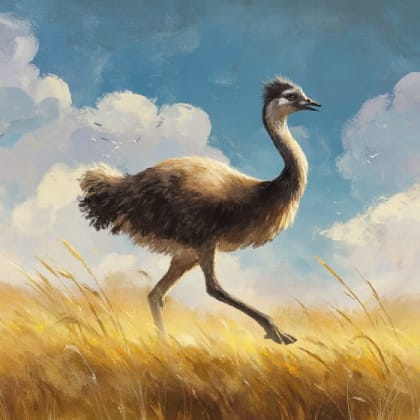
Greater rheas and other wild animals, when encountered without disturbance.

3

The Formoso River environment, through an authorized activity.

4

Early-rain bioluminescence interpreted by a guide.

Walks and routes

An unhurried Cerrado introduction

Use the agreed gate, ask which self-guided areas are open, and choose a few permitted stops rather than trying to cover the whole park. Alternate looking from the vehicle with manageable walking where allowed. At each stop, compare vegetation height, shade and the shape of the horizon. Leave a generous return margin; a productive day is not measured by kilometres.

Afternoon landscape and evening light

Book a guide who confirms the evening arrangements and meeting point. Enjoy the daylight landscape first, then let the guide select an appropriate viewing place. Keep expectations gentle: a few tiny lights can be fascinating without resembling a long-exposure photograph. Follow lighting instructions and allow your eyes time to adjust. Build in the drive back to your accommodation, not only the time spent inside the gate.

A Formoso River activity day

Treat a river outing as a separately organized activity, not a spontaneous swim attached to a road tour. Ask what is operating, where you meet, what equipment is supplied and which participants can safely join. Keep the rest of the day light so changing, instruction and transfers do not become a rush. Conditions may change the programme; accept a cancellation or alternative rather than pressuring the guide to proceed.

Things to try

Wildlife watching without a checklist

Give children or first-time visitors three things to look for: a bird silhouette, a change in vegetation and evidence of an animal without approaching it. A notebook can be more useful than a phone zoom. Record uncertainty rather than guessing every species. Greater rheas and maned wolves belong to the park’s wild fauna, not a staged safari collection.

A family landscape detective game

From a permitted path or stop, compare two views: where is the tallest vegetation, where might shade last longer, and which colours change as the light moves? Draw a termite mound without touching it. Let each person choose one detail to remember. This works even on a day with few conspicuous animals and needs no collecting or special equipment.

Cycling with a realistic plan

The municipal tourism description includes cycling, but availability of rentals, a suitable circuit and vehicle support need checking. Choose distance according to the least confident rider, not the strongest one. Ask about exposure, surfaces and water before committing, and avoid treating an internal road as a guaranteed cycling trail.

Photography as an observation exercise

Try a wide landscape, a vegetation detail and a quiet image of the group observing. At night, ask before using lights or flash. A photograph should not require moving a creature, damaging a mound or leaving the allowed route. If the lights do not appear, the story of the evening is still worth recording.

Stories and discoveries

Two parks, one World Heritage property

UNESCO’s designation joins Emas and Chapada dos Veadeiros because of their importance to Cerrado biodiversity and ecological processes. It is a serial property with separate places, not a single continuous sightseeing area.

A light show with a predator behind it

In the original Emas field study, luminous beetle larvae occupied galleries in termite mounds and caught flying ants and termites. The attraction is a feeding interaction, not decoration. Observations in 1980–1981 linked strong activity to the early rains; those historical results do not predict a visitor’s night.

A protected landscape in an agricultural region

Rádio Câmara’s September 2026 programme describes Emas as native vegetation amid expanding cultivation. Looking beyond the park boundary gives the open grassland a different meaning: conserving this habitat matters as much as protecting a spectacular individual animal.

Getting there and practical advice

Published sources describe toilets and camping-related facilities, while the 2023 inauguration report mentions a photography exhibition. Ask which facilities your itinerary actually reaches and which are open. Do not treat a construction announcement as a current service guarantee.

Sources and useful links

Wildlife you might spot

2

Each card links to a full Explore page with photos, traits, and fun facts.

Snap map for this place

Start with the big picture, then zoom in to explore individual wildlife observations around this place.

Loading map…

Good to know before you go

Agree on the gateway, meeting point and return before you leave town. A general park pin is not enough for a large protected area with two official gates.

Pack a complete day kit

drinking water, practical food, sun protection, closed shoes, a light warm layer and a bag for every piece of rubbish. An evening outing needs more preparation than a quick sunset stop.

Bring binoculars if you have them. Watching from a comfortable distance is usually more rewarding than trying to turn a distant animal into a close-up photograph.

Keep the next morning unhurried after a late return. Children and drivers may appreciate a slower start more than another ambitious excursion.

Frequently asked questions

ICMBio currently lists free entry without advance booking for ordinary access and allows self-guided trails in permitted areas and hours. Accredited guidance is required for specified activities, including camping, safari, boating and observation-tower access. Check your exact plan, not a general guide-only claim.
Published regular hours are daily 08:00–17:00, with both gates closed for lunch 12:00–13:00. ICMBio lists 08:00–21:00 in the special bioluminescence period and wider hours only for specially arranged activities with an authorized guide. Confirm the regime for your date.
No. Scientific fieldwork identifies light-producing click-beetle larvae, Pyrearinus termitilluminans, living in the mounds. Their light is associated with attracting prey. The termites build the structure; another insect produces the famous points of light.
Both are documented park fauna, but no particular encounter is assured. Treat the landscape, birds and smaller details as the outing itself. Never chase, feed or surround an animal to improve your chances.
Ask the selected operator about minimum age, equipment fit, swimming requirements, supervision and return time. A park-wide family recommendation cannot replace activity-specific screening. A short daytime plan may suit children who do not enjoy long drives or darkness.
Do not assume either is available on arrival. A 2023 municipal report described new infrastructure, but an operator currently tells visitors to bring food and reports none sold at Espaço do Formoso. Arrange any overnight stay and its required guide in advance.

Recent snaps at this place

Recent snaps will appear here as new observations are added.

View all ›

Take the discovery with you

Exploring Emas National Park?

Identify the wildlife you spot, learn as you go, and keep a collection of the adventure.

  1. 1Spot it
  2. 2Snap it
  3. 3Keep the discovery