
Snappit logo
Snappit
Get App
Generic illustration, not a photograph of this venueIllustration
ParkKyushu, Japan

Nichinan Kaigan Quasi-National Park

Cape Toi is best enjoyed without a checklist.

About

Cape Toi is best enjoyed without a checklist. The land rolls into open grassland above the sea, and the horses decide where the day's most interesting scene will be. Start at PAKALAPAKA, the cape's visitor hub, for an introduction to the animals, a look at the water and a sensible plan for the weather. A short walk and a quiet stop can fill a very good morning.

This is one corner of a much bigger coastal park. Nichinan Kaigan Quasi-National Park crosses Miyazaki and Kagoshima prefectures, taking in rocky shores, islands and the sandy coast of Shibushi Bay. Here, the focus is Cape Toi in Kushima, at Miyazaki's southern tip. Aoshima, Udo Shrine and the Nango coast belong to other outings along the wider coast; they are not stops on a single short cape walk.

The Misaki horses are a Japanese native breed descended from horses kept here since the Edo period. They live freely within a protected, managed landscape and are often called wild horses locally; feral or semi-feral describes their ancestry more precisely. Their grazing and the work of the local pasture association help sustain this open habitat. Watch from a distance rather than trying to make contact. Horses move between grassland and woodland, so a sighting is a possibility, not an appointment.

The cape also offers two quite different additions. Toi-misaki Lighthouse stands above the sea and welcomes visitors who can manage its approach and stairs. Misaki Shrine sits lower on the coastal slope, near a naturally growing cycad community, with a long stair descent to the main sanctuary. Choose either only if everyone is comfortable with the terrain. There is no need to turn the gentle visitor-hub stop into a demanding walk. Unlock an interactive field guide for this spot: get the Snappit app to identify nature on the go.

Nichinan Kaigan became a quasi-national park on June 1, 1955. The horse story is older: the Takanabe domain established the Misaki pasture in 1697, and the horses continued under extensive year-round grazing. The Misaki horse population and its breeding ground received national Natural Monument protection in 1953. Toi-misaki Lighthouse first shone on December 22, 1929, adding a working maritime landmark to the cape.

What to do here

Begin at PAKALAPAKA after 09: 00. Look through the horse interpretation, use the toilets and ask about today's grassland conditions. If you want a walk, a pre-booked 30- or 60-minute horse guide is a useful introduction. Otherwise, enjoy the sea view and choose only a short, suitable walk after checking locally. Add the lighthouse as a separate stop if time, weather and mobility allow.

Seasonal info

June and early July are normally the wettest part of southern Kyushu’s rainy season. Summer is hot and humid, and typhoons can affect visits from June into October. In autumn and winter, horses may spend more time in woodland. Bring a windproof layer even when the lowlands feel mild; avoid the exposed cape in strong wind or thunderstorms.

Accessibility

PAKALAPAKA is the most practical starting point for a lower-walking visit: its published access information describes a level paved approach from the car park, a designated accessible parking space and an accessible toilet. That does not make the grassland, lighthouse or shrine step-free. Grass slopes can be uneven or slippery; the lighthouse has stairs, and Misaki Shrine has a long descent followed by a climb back.

Don't miss

1

A sea-view break and horse interpretation at PAKALAPAKA

2

Misaki horses living freely in a protected grassland-and-woodland landscape

3

An optional visit inside Toi-misaki Lighthouse

4

Misaki Shrine and the cape’s naturally growing cycads, for a separate stair-based visit

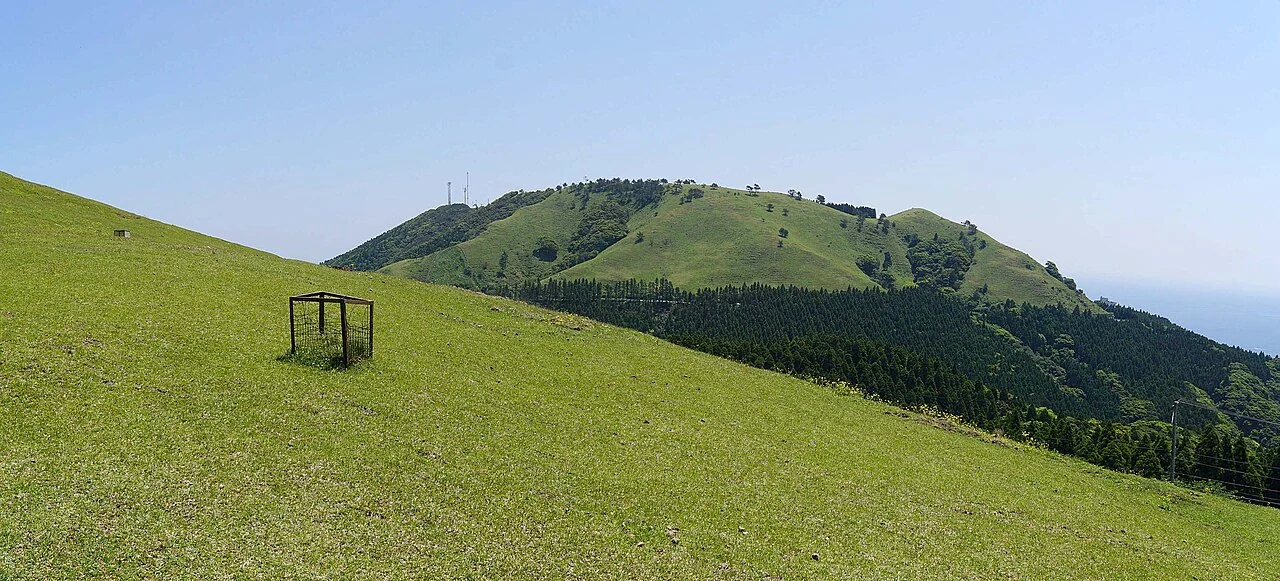
A green grassy hillside overlooks a wooded ridge and a narrow blue coastal horizon, with a small protective wire enclosure in the foreground.

Open grassland and wooded slopes at Cape Toi, photographed in May 2016.

Cape toi - 都井岬 - panoramio (5).jpg — z tanuki, CC BY 3.0 (https://creativecommons.org/licenses/by/3.0/). Source: https://commons.wikimedia.org/wiki/File:Cape_toi_-_%E9%83%BD%E4%BA%95%E5%B2%AC_-_panoramio_(5).jpg. Converted Wikimedia’s 1280×581 thumbnail (original photograph 3526×1600) to WebP quality 92, method 6 at unchanged dimensions. No upscaling, crop, retouching, added text or additional colour changes. EXIF omitted. · Creative Commons

Walks and routes

Visitor hub and a short grassland outing

Start and finish at PAKALAPAKA. Take time for the displays and sea-facing rest space, then join your booked guide for a short grassland walk. The guide chooses the route to suit conditions and the horses. Komatsugaoka is one of the cape’s publicly promoted grassland areas; ask locally about suitable access rather than setting off across an arbitrary slope.

Choose the visitor-hub-only version if slopes or uneven ground are difficult. Talk to the guide before booking about walking ability; the normal guided programme is for primary-school-age children and older, with an adult accompanying primary- and junior-high-school children.

Visitor hub and a short grassland outing

Optional lighthouse visit

Make the lighthouse a separate stop from the horse-viewing grassland. From its parking area, follow the visitor approach and climb the lighthouse stairs if everyone is comfortable. The maritime display gives the building a story beyond the panorama.

The approach is sloping and includes steps, with further stairs inside. This is not the step-free extension of the PAKALAPAKA visit. Ask the lighthouse office about the parts you can reach before travelling.

Optional lighthouse visit

A relaxed morning by car

Arrive at PAKALAPAKA after 09:00, use the facilities and take a sea-view pause. Follow with your booked short grassland outing or stay close to the visitor hub. If adding the lighthouse, reach its morning admission before 11:45 with enough time to enjoy the visit, or have lunch and go after 13:00. Keep Misaki Shrine for a separate decision rather than squeezing it in at the end.

A short visit by bus

The city timetable checked on October 16, 2026 shows Kushima Station 10:14 to PAKALAPAKA 10:52. The 12:58 return gives just over two hours at the cape, enough for a visitor-hub visit and a short pre-arranged walk if its meeting time fits. The later daily return is 15:28. Confirm these times before travel; the 18:08 return runs only on weekends and public holidays. Do not rely on it on a weekday.

Things to try

Book a horse guide

The association offers 30-, 60- and 90-minute walks, reserved by 17:00 two days beforehand. Confirm availability, your walking needs and the price when booking. Under the fee chart effective April 1, 2026, the 30-minute option costs ¥1,200 for one or two people; the 60-minute option costs ¥2,200 for one or two. For 3–10 people, those rates are ¥600 and ¥1,100 per person respectively. Longer-course and group prices differ. Call 0987-72-0479 or the guide line, 090-4588-1133.

Make a small landscape study

Choose a safe place to pause and compare three textures: close-cropped grass, darker woodland and the open water. Ask children to find those contrasts without leaving the path or moving towards an animal. A sketch or a wide landscape photograph works well.

Keep the shrine optional

Misaki Shrine is reached by a long stair descent from its torii; the official description gives a 120-metre stair route to the main sanctuary. Save energy for the climb back. The lower shrine visit is unsuitable for a pushchair or wheelchair, and wet steps are a good reason to leave it for another day.

Keep it small, or postpone

In light rain, PAKALAPAKA’s indoor rest space and interpretation can be the whole visit. Confirm it is open before driving out. In strong wind, heavy rain, thunder or typhoon conditions, stay away from exposed slopes and coastal steps and choose an indoor day elsewhere.

Wildlife and habitats

Watch the horses on their own terms

Look for the horses’ compact build, dark coats and slow grazing movements. A quiet pause reveals more than walking directly towards a group. Use binoculars or a camera zoom, keep the recommended distance and never position yourself between a mare and foal. Animals may be elsewhere when you visit.

Look above the grassland

The Ministry of the Environment records Eurasian kestrel in the Cape Toi landscape. Scan the sky for a small, long-tailed falcon; hovering can be a useful clue, but a brief silhouette alone is not enough for a confident identification. Stay on your route and leave any nesting birds alone.

Notice the coastal cycads

Around the Misaki Shrine sector, cycads grow naturally on the coastal slopes. Enjoy their stiff, radiating leaves from the open visitor route. The protected plant community is a reason to stay out of the vegetation, not to find a shortcut through it.

Stories and discoveries

An open landscape with people behind it

Horse grazing is only part of the grassland story. The local pasture association also carries out annual controlled burning for habitat management. If work is taking place, follow closures and watch only from an area staff say is safe.

A working light above the sea

The lighthouse dates from 1929 and still serves navigation. Its unusual flat-roofed viewing area gives the visit a different feel from a simple tower balcony.

Protection comes in several layers

The broad coast is a quasi-national park. Within it, the Misaki horses and their breeding ground have Natural Monument protection, while the natural cycad community has Special Natural Monument status. Those designations protect different parts of the same landscape.

When to visit

Spring

The grass greens up and April–May is the main foaling period. Mares with young and competing stallions need extra space. A calm, dry day is better than chasing a particular seasonal sight.

Summer

Plan short walks with water, sun protection and indoor breaks. June to early July is usually rainy; later summer is hot and humid. Be ready to abandon the cape plan when storms approach.

Autumn and winter

Expect a different balance of grassland and woodland activity as horses change their feeding areas. Bring layers for the exposed coast and plan around earlier afternoon light and facility closing times. Check for habitat-management closures rather than assuming every slope is open.

Getting there and practical advice

PAKALAPAKA

The visitor hub opens 09:00–17:00 and closes Tuesdays, or the next weekday when Tuesday is a holiday. It has indoor seating, horse-related interpretation, a shop, a restaurant and a nursing room. Meals are served from 11:00, with last food orders at 15:30. The operator advertises a 24-hour accessible toilet, but the cape’s entrance gate has its own hours. Call 0987-27-3477 for current arrangements.

Entrance gate and horse conservation charge

At Komadome Gate, the published conservation charge is ¥500 per light/ordinary car or ¥200 per motorcycle. The association currently lists 07:30–18:00 for April–September and 07:30–17:30 for October–March. Another official tourism page gives later opening times, so check with the gate before an early visit: 0987-76-1686. A start after 09:00 works better for the visitor-hub plan.

Lighthouse hours and donation

Checked October 16, 2026: mornings are 09:00–12:00 all year. Afternoons are 13:00–16:30, extended to 17:00 from March–October on Saturdays, Sundays, public holidays, Golden Week and August 10–19. Admission closes 15 minutes before each session ends. The requested donation is ¥300 from junior-high-school age upwards; primary-school children and younger are exempt. The operator also exempts disability-certificate holders and one companion; ask which documentation it accepts. Call 0987-76-1838.

Arriving by car

The official tourism guide estimates about 30 minutes from Kushima Station or around 90 minutes from Miyazaki Airport, before stops and delays. PAKALAPAKA, the lighthouse and shrine have separate parking areas. Allow more time for slow driving inside the horse area; never stop abruptly or block the road for a photo.

Arriving by public transport

Use the JR Nichinan Line to Kushima, then the city’s Toi-misaki Yoka Bus line to PAKALAPAKA. The line is listed as daily, with a ¥200 fare; primary-school children pay half and preschool children travel free. Check both the current JR service and your return bus, and confirm wheelchair boarding with the operator in advance. The visitor hub, lighthouse and shrine are separate stops around the cape, not one continuous accessible promenade.

Road and weather checks

Check Miyazaki’s road-restriction portal and the notices for your actual route before setting out, especially after heavy rain or a typhoon. The prefectural portal covers roads managed by the prefecture and links to information from other road managers. Follow closures even if your navigation app suggests continuing.

An easier sea-view visit

PAKALAPAKA’s published access survey describes a paved, level approach from the car park, one designated accessible space and a multipurpose toilet with an 80-centimetre door. Check current arrangements and the fit for your equipment with staff. Keep your plan centred on the building and the viewing space they recommend.

Where the terrain changes

Grassland walks involve slopes and natural surfaces. The lighthouse has steps on its approach and inside. At Misaki Shrine, accessible parking and a toilet at the upper entrance do not remove the long stairs down to the sanctuary. Choose these additions separately for each person in your group.

Sources and useful links

Wildlife you might spot

2

Each card links to a full Explore page with photos, traits, and fun facts.

We are still adding species preview cards for this place.

Snap map for this place

Start with the big picture, then zoom in to explore individual wildlife observations around this place.

Loading map…

Good to know before you go

Give horses plenty of space. Miyazaki’s visitor guide advises 5–10 metres or more; stay farther away if their behaviour changes, and follow local signs and your guide. Never feed, touch, crowd or approach from behind.

Keep children beside you, especially around mares and foals. If a horse comes towards you, give it room rather than reaching out or holding your ground for a photograph.

Drive at or below the cape’s 30 km/h limit, slowing further near horses. Park only where permitted and leave the road clear. Read the advice handed out at the entrance gate.

Wear grippy closed shoes and clothing that covers your skin for grassland walks. Bring water, sun protection and insect repellent, and check clothes and skin for ticks afterwards.

Check the forecast and road restrictions before leaving. After heavy rain, ask locally about paths; skip cliff-side steps and grassy slopes if footing or visibility is poor.

PAKALAPAKA closes on Tuesdays, moving the closure to the next weekday when Tuesday is a public holiday. Horse guides also have a Tuesday closure, so confirm the date before booking.

The lighthouse closes for lunch from 12

00 to 13:00. Its morning admission ends at 11:45; arrange a morning visit or return after lunch.

Keep to open visitor areas, leave plants where they grow and take litter away. Check with the city before commercial filming or photography of the protected horses or other cultural properties.

Frequently asked questions

No. They are free-ranging horses, not a petting attraction. Keep your distance, never approach from behind, and give mares and foals extra room.
No. The quasi-national park covers widely separated coastal landscapes in Miyazaki and Kagoshima. This guide keeps the visit to Cape Toi; other coastal sights need their own travel time.
A car makes separate lighthouse and shrine stops easier, but the city’s Yoka Bus serves PAKALAPAKA from Kushima Station. There are only a few services, so choose the return bus before setting out and check your train connection too.
Base the visit at PAKALAPAKA and ask staff about the outdoor viewing space that suits you. Do not assume its accessible facilities extend to the grassland or the steps at the lighthouse and shrine.
Enjoy the open cape and the visitor-hub displays. Ask staff for advice, but never follow horses into woodland, closed ground or steep terrain just to get closer.
Light rain can suit a short indoor stop at PAKALAPAKA when it is open. Heavy rain, strong winds or a typhoon warning are reasons to postpone the cape altogether.

Recent snaps at this place

Recent snaps will appear here as new observations are added.

View all ›

Take the discovery with you

Exploring Nichinan Kaigan Quasi-National Park?

Identify the wildlife you spot, learn as you go, and keep a collection of the adventure.

  1. 1Spot it
  2. 2Snap it
  3. 3Keep the discovery
